Meet Akashinga: The All-Women Anti-Poaching Unit Protecting Zimbabwes Elephants and Communities

Summary
- The Akashinga unit in Zimbabwe is an all-female anti-poaching force established to protect wildlife, particularly elephants.
- Founded by Damien Mander, the initiative empowers local women, many of whom are survivors of domestic violence, to become rangers.
- Akashinga rangers reinvest their earnings into their communities, supporting local economies and families.
- The unit has operated for over seven years without any corruption, and many members follow a plant-based diet, promoting sustainability.
- The initiative highlights the social impact of empowering women, showing it leads to more stable and resilient communities.
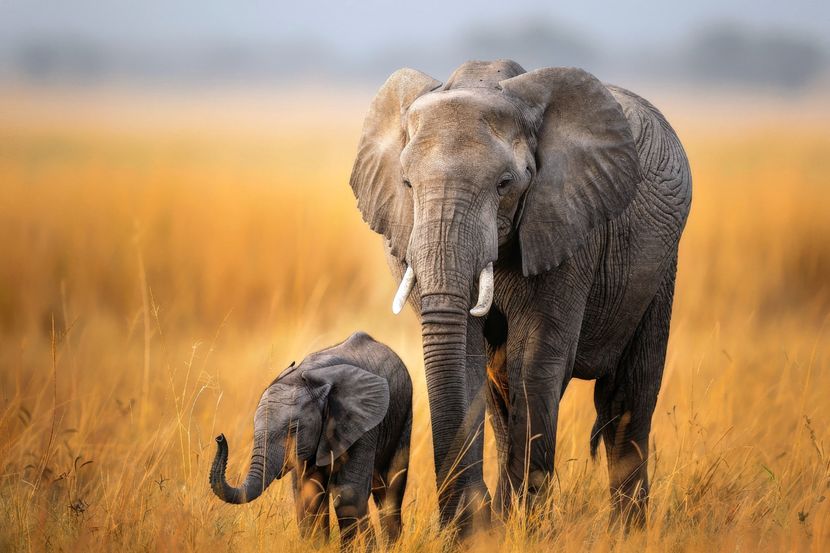
At a time when many key African wildlife species, including elephants, are nearly on the brink of extinction, a powerful new force has emerged in the fight against poachers. This unusual unit, established in Zimbabwe, is made up exclusively of women. They are called 'Akashinga', which means 'The Brave' in the local language.
Empowering the Community to Protect Nature
The founder of this concept, Australian special forces veteran Damien Mander, devised an innovative approach to wildlife conservation. Instead of simply waging an armed war, he focused on engaging the local community. Members of the Akashinga unit do more than protect elephants; they circulate their earnings back into their impoverished rural communities, providing for their families and supporting local economies.
Mander, who founded the International Anti-Poaching Foundation (IAPF) in 2009, launched the Akashinga model in 2017. He describes it as one of the most effective community conservation models because it empowers women, whom he identifies as having a natural "protector" instinct as mothers.
Fearless Rangers with a Mission
The recruits are young African women from rural areas, many of whom have survived domestic violence, or are single mothers and widows of poachers. Mander’s welcome to the training camp leaves a lasting impression:
"Today, we are all equal here. If you possess strength and determination, we will teach you how to fight. This is one of the most dangerous jobs in the world... You will face armed men who want to kill elephants and anyone trying to stop them. And that will be you."
These women, who once struggled to survive by selling vegetables, now earn a fixed salary, build homes, and educate their children. Remarkably, in over seven years of operation, not a single instance of corruption has been recorded among the rangers.
A Plant-Based Diet as a Moral Compass
Damien Mander was featured in the well-known 2018 documentary 'The Game Changers', produced by James Cameron, Novak Djokovic and many others.. During his time in Africa, Mander realized that protecting some animals while eating others was a moral contradiction.
"How can we protect some animals while killing others?" he asked. This realization led him to a plant-based diet, and most of the fearless Akashinga rangers have followed suit. They have even launched a "veggie kitchen" in the local community, using indigenous African plant ingredients to show that a plant-based diet is both accessible and sustainable in Africa.
Empowered Women: The Key to a Fairer Future
The Akashinga concept is more than a fight against poachers; it is a movement showing that empathy and courage go hand in hand. Their story proves that true change occurs when human compassion and local action are united. Empowering women leads to more stable, fair, and resilient communities.
Voices from the Community
In discussions about the Akashinga initiative, many viewers express admiration not only for the anti-poaching success but for the social impact behind it. In one Reddit thread, users highlight how empowering local women creates a ripple effect beyond conservation, with one commenter noting that supporting women in vulnerable communities is “one of the most effective ways to protect both people and wildlife long-term.” Others point out that the model feels more sustainable than traditional armed enforcement, emphasizing that when communities directly benefit from conservation, they are far more motivated to protect it. Several users also mention how inspiring it is to see former victims of violence transform into protectors, calling the project “a rare example of conservation that actually addresses root social issues.”
At a time of ecological and moral crisis, these heroines offer unexpected inspiration. We may not wear their uniforms, but every time we choose compassion over violence, we join their fight.
Related news

The hidden trauma of meat industry workers: Emotional numbness, PTSD, and substance abuse
Stone Age diets revealed: Research shows early humans relied on plants more than meat for survival
Collagens Hidden Cost: How Your Beauty Routine Fuels Deforestation and Threatens Indigenous Lands
Meat Industry Consumes More Soy Than Humans: The Numbers Behind a Common Anti-Vegan Argument
Plant Based House reserves all rights to the content. For downloading content, see instructions on the Terms of Use page.