
Collagens Hidden Cost: How Your Beauty Routine Fuels Deforestation and Threatens Indigenous Lands

Summary
- Collagen supplements are derived mainly from animal skin and bones, primarily cows, impacting the environment and animal welfare.
- The meat industry relies heavily on by-products like collagen, contributing significantly to its revenue and environmental harm.
- Collagen production is linked to deforestation, particularly in the Amazon, affecting indigenous communities and wildlife.
- Scientific evidence for collagens benefits is limited and often industry-funded, raising doubts about its effectiveness.
- Plant-based diets rich in Vitamin C, zinc, and copper can naturally boost collagen production without environmental harm.
Major global manufacturers advertise collagen as a miracle product capable of doing it all—erasing signs of aging, regenerating bones, and soothing joints. However, this promise of eternal youth and beauty comes at a high cost to the environment, animals in the meat industry, and human communities living in areas suffering from deforestation.
Where Does Collagen Come From?
Collagen is a structural protein found in the bones, cartilage, and skin of all mammals, making it the most abundant protein on the planet. While the human body naturally produces collagen, this production slows down as we age, leading to reduced skin elasticity, decreased bone density, and a loss of joint mobility.
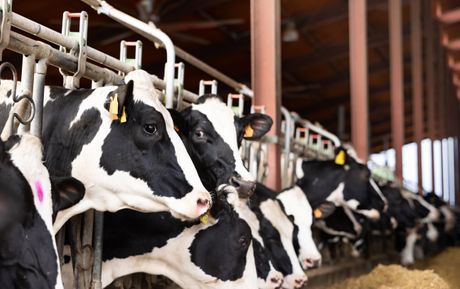
Consumers find the promises of collagen supplements highly appealing. However, most people are unaware that the vast majority of these products are derived directly from the skin and bones of animals, primarily cows. Through a process called hydrolysis, long collagen molecules from animal hides are broken down into shorter chains known as peptides, which are more easily absorbed by the human body.
The "Sustainable By-Product" Myth
Like gelatin and leather, collagen is a by-product of the meat industry. Large collagen brands often claim they are doing the planet a favor by utilizing animal parts that would otherwise be discarded or turned into animal feed.
However, there is a dark secret kept hidden from consumers: relying on by-products is not a sustainable solution when the core industry itself is inherently destructive to the planet.
More importantly, these by-products are a highly profitable and essential component of the meat industry's value chain. Many people don't realize that, despite its massive global revenue, the meat industry operates on razor-thin margins (it is a financially fragile business model). Edible meat makes up only about a third of a slaughtered cow's weight. Therefore, the profitability and very survival of the livestock industry depend critically on selling the remaining two-thirds. Investigative journalists from the UK's Guardian found that nearly a quarter of the American meat industry's annual revenue comes from non-meat animal parts. Simply put, as long as there is a lucrative market for by-products like leather, collagen, and gelatin, the destructive system of industrial animal farming will remain profitable and continue to expand.
The Devastating Environmental Impact
The Bureau of Investigative Journalism recently uncovered a direct link between collagen production and the destruction of the Amazon rainforest.
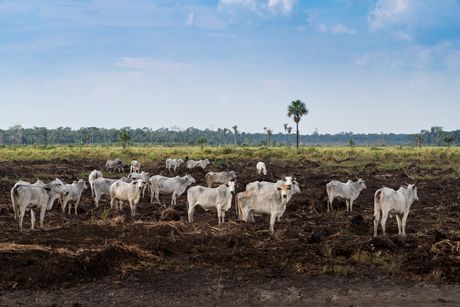
As the global demand for collagen has surged, vast areas of Brazilian forests are being clear-cut to make way for cattle ranching. According to the investigation, this practice displaces indigenous communities, destroys wildlife habitats, and heavily exacerbates climate change. Following the release of this report, Vital Proteins (a Nestlé-owned brand and one of the world's largest collagen producers) hastily revised its "responsible business" policy, publicly committing to eliminate suppliers linked to deforestation by 2025.
Marine collagen (derived from fish skin) is not much better from an environmental standpoint. The marine collagen supply chain relies on a massive and often corrupt commercial fishing industry, which is plagued by issues like massive bycatch, human trafficking, and being the number one driver of ocean ecosystem depletion.
What People Online Are Saying
Online discussions about collagen supplements reflect a mix of enthusiasm and concern. In supplement forums, some users describe noticeable improvements, with one writing that collagen peptides were “a miracle supplement” for their skin, nails, and joint comfort, while another reported that their skin felt “softer and more elastic” after a few weeks of use. At the same time, ethical concerns frequently arise in sustainability-focused communities, where commenters argue that even if collagen is marketed as a by-product, its sale still contributes to the profitability of industrial animal agriculture. These conversations highlight a broader tension: while some individuals report subjective benefits, others question the environmental and ethical implications behind the product’s origin.
What About the Science of Collagen's Benefits?
Despite the bold claims made by the supplement industry, the actual benefits of consuming collagen are far from scientifically proven.
While some studies have shown improvements in skin appearance and elasticity, significant doubts remain, primarily because most of these studies are funded directly by the collagen industry or affiliated companies. Furthermore, in many of these trials, it remains unclear whether the observed benefits are actually due to the collagen itself, or if they are the result of added vitamins, minerals, and other ingredients in the tested supplements.
The Plant-Based Solution
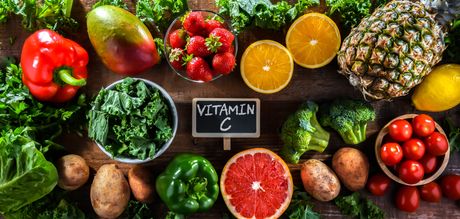
Fortunately, you don't need to consume animal bones to maintain healthy collagen levels. Science shows that a diet rich in healthy plant foods—particularly those high in Vitamin C, zinc, and copper—can naturally stimulate the body's own collagen production. This biological mechanism may help explain the remarkably youthful appearance and vitality often observed in individuals who consume exclusively or predominantly whole-food, plant-based diets well into their later years.
Related news

Chers Youthful Secret: How a Plant-Based Diet Helps the Star Stay Energetic at Nearly 80
Meet Akashinga: The All-Women Anti-Poaching Unit Protecting Zimbabwes Elephants and Communities
Nearly 80% of Amazon Deforestation Linked to Cattle Ranching, Not Tofu or Plant-Based Foods
The hidden trauma of meat industry workers: Emotional numbness, PTSD, and substance abuse
Plant Based House reserves all rights to the content. For downloading content, see instructions on the Terms of Use page.