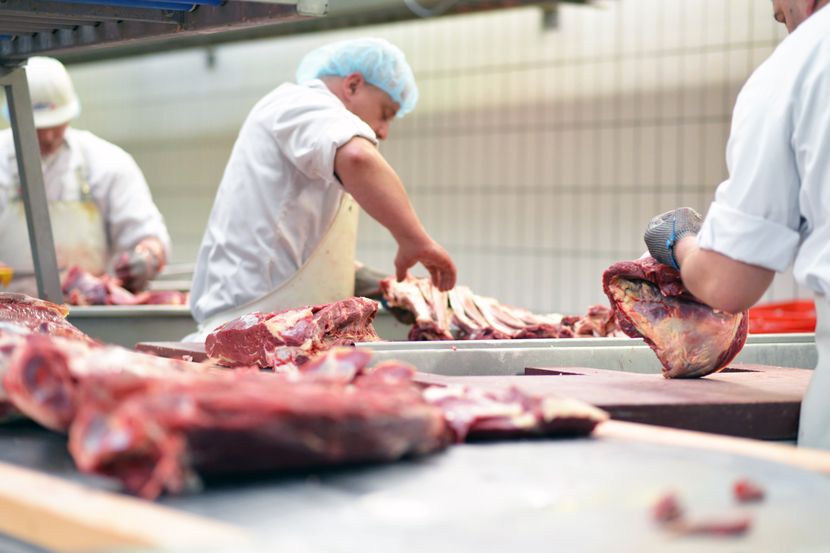
The hidden trauma of meat industry workers: Emotional numbness, PTSD, and substance abuse

Summary
- The meat industry relies on disadvantaged populations who have few employment options.
- Workers face high physical risks, including amputations and repetitive motion injuries.
- Psychological trauma is common, with conditions like Perpetrator-Induced Traumatic Stress PITS.
- There is a high prevalence of PTSD, emotional numbness, and substance abuse among workers.
- The industry conceals these human costs by isolating slaughterhouses and using disconnected language.
Whenever we discuss the impact of mass meat consumption, the focus is usually on animal welfare, environmental degradation, or personal health risks. However, there is a disturbing side to the meat industry that is almost never discussed: the devastating consequences for the people working inside the slaughterhouses.
A Job of Necessity, Not Choice
The meat industry heavily relies on socially disadvantaged populations, including refugees and those in economically deprived rural areas who have few other employment options. The work is not only physically grueling but also inherently dangerous.
Physical Risks in the Meat Industry:
- Line Speed and Injuries: To maximize profit, production lines often move at extreme speeds, leading to amputations, deep cuts, and fractures.
- Repetitive Motion Injuries: Performing the same mechanical operations thousands of times a day causes chronic inflammatory conditions and long-term physical disability.
- Invisible Statistics: In the U.S. alone, the injury rate in this sector is twice the national average, with workplace amputations occurring at a rate of over 17 cases per month.

The Psychological Trauma: Beyond the Physical Scars
Witnessing and participating in daily mass slaughter leaves deep emotional scars. Many workers develop a specific form of trauma known as Perpetrator-Induced Traumatic Stress (PITS). This condition occurs when psychological damage arises not just from witnessing violence, but from being the one forced to inflict it.
Common Psychological Symptoms:
- Emotional Numbness: Many workers resort to an "emotional shutdown" as a survival mechanism, which often carries over into their private lives, leading to detachment from family and friends.
- PTSD and Nightmares: Symptoms of post-traumatic stress disorder are widespread, even among those not stationed directly on the killing line.
- Substance Abuse: To cope with the stress and guilt, there is a high prevalence of alcohol and drug use among workers.
- Social Consequences: Research has noted a correlation between the presence of large slaughterhouses in communities and increased rates of domestic violence and violent crime.
What People Online Are Saying
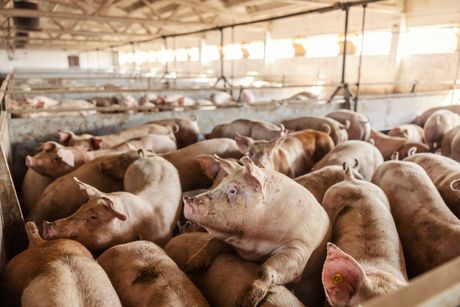
Discussions referencing research on slaughterhouse workers often reveal deeply disturbing personal accounts. In one Reddit thread analyzing a psychological study, users highlight testimonies from workers describing their first experience of killing as traumatic, with one recalling “I started shaking” during their first slaughter. Over time, however, many describe a shift toward emotional detachment, with statements like “the more you do it, the easier it gets… I feel nothing anymore.”
Other accounts emphasize the long-term psychological toll, including recurring nightmares in which animals appear alive or confront the worker, asking “why are you killing me?” Some testimonies also point to personality changes, increased aggression, and emotional numbing spilling into everyday life, reinforcing the idea that the impact of this work extends far beyond the slaughterhouse itself.
A System Designed for Invisibility
The industry is strategically organized to keep these human costs hidden. Slaughterhouses are located far from urban centers, and the language used - terms like pork, beef, and bacon - further disconnects the consumer from the reality of the living animal and the person who had to take its life. Workers often fear speaking out due to precarious legal status or lack of labor protections, treated by the system as replaceable commodities.

How We Can Help
Choosing a plant-based diet is more than an environmental or health statement; it is a stand against human exploitation. Every reduction in meat demand means fewer people forced into these traumatizing roles. By opting for plant-based meals, we refuse to participate in a cycle of suffering that claims both animal and human victims.
Behind every package of industrial meat stands a worker who has paid a high physical and psychological price, but by choosing plant-based alternatives, we can help break the cycle of exploitation and trauma.
Related news

Stone Age diets revealed: Research shows early humans relied on plants more than meat for survival
Animal Agriculture Consumes More Grains Than Households Waste-Enough to Feed Hundreds of Millions
Collagens Hidden Cost: How Your Beauty Routine Fuels Deforestation and Threatens Indigenous Lands
Meat Industry Consumes More Soy Than Humans: The Numbers Behind a Common Anti-Vegan Argument
Plant Based House reserves all rights to the content. For downloading content, see instructions on the Terms of Use page.