Stone Age diets revealed: Research shows early humans relied on plants more than meat for survival

Summary
- Stone Age humans were likely gatherers-hunters, not primarily reliant on meat.
- Stable isotope analysis shows a diet rich in plant-based starchy foods.
- Evidence of diverse plant consumption includes root vegetables, wild grains, and tubers.
- Neanderthals used complex food preparation techniques, including soaking and crushing legumes.
The long-held belief that meat constituted the majority of the prehistoric diet stems largely from the abundance of animal bones found at archaeological sites. Because plants rarely fossilize, evidence of their consumption was much harder to uncover. However, scientific evidence from 2024 and earlier suggests that Stone Age humans were likely gatherers-hunters rather than the other way around.
The Secrets Hidden in Teeth and Bones
A landmark study published in Nature Ecology & Evolution (2024) reveals that meat was not the primary protein source for our distant ancestors. Researchers conducted detailed examinations of human remains found at the Taforalt site in Morocco, dating back to the Stone Age.
- By using stable isotope analysis in teeth and collagen, scientists estimated the actual proportions of food consumed. The findings were surprising:
- Dental Cavities: High levels of cavities were found, indicating a diet rich in plant-based starchy foods.
- Variety of Plants: Evidence pointed to the consumption of wild plants such as root vegetables (turnips, beets), wild grains, and tubers.
- Pre-Agricultural Diversity: This marks the first time such extensive evidence of a diverse plant diet has been found before the advent of organized agriculture.
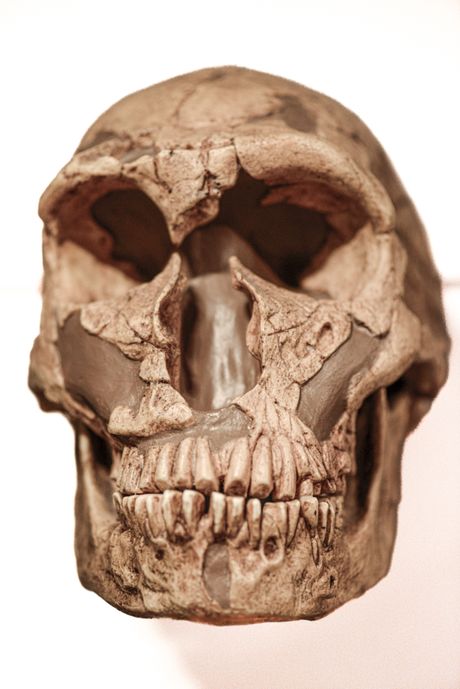
Challenging the "Paleo Diet" Narrative
The modern Paleo diet is based on the premise that human physiology has not changed since the Paleolithic era and that we should eat like our "caveman" ancestors. Creators of this trend typically advocate for a diet high in animal protein and low-glycemic fruits and vegetables.
However, the assumption that prehistoric humans were concerned with muscle building or blood sugar control is a modern projection onto the past. While followers of this diet attempt to imitate ancient eating habits, they rarely adopt other aspects of the lifestyle, such as nomadic movement or cave dwelling. The scientific reality shows that our ancestors were far more reliant on carbohydrate-rich plants than previously thought.
Neanderthals: The Original Culinary Experts
The image of Neanderthals gnawing on raw meat has been corrected by recent discoveries. Charred remains found in Shanidar Cave (Iraq), dated at approximately 70,000 years old, reveal what may be the oldest cooked meal in the world.
Laboratory examinations, including electron microscopy, have uncovered complex food preparation techniques:
- Soaking and Crushing: Evidence from caves in southern Greece (12,000 years old) shows that ancestors soaked and crushed legumes, such as lentils, with stones.
- Flavor Profiles: Prehistoric people used seed mixtures, wild nuts, and green leafy plants to enhance the taste of their meals.
- Ancient Recipes: Researchers led by Professor Chris Hunt (University of Liverpool) successfully reconstructed these "recipes," creating nutty-flavored flatbreads from wild seeds found near the excavation sites.
Conclusion: A Refined Prehistoric Palate
These discoveries shed new light on human evolution. Rather than surviving on a monotonous diet of meat, prehistoric humans possessed refined tastes and sophisticated methods for processing plants. The shift from "hunter-gatherer" to "gatherer-hunter" highlights that plants have been the cornerstone of human survival and health for tens of thousands of years.
By re-evaluating archaeological evidence through stable isotope analysis, science has shifted the historical narrative, proving that plant-based starches and legumes were essential staples for our ancestors long before the rise of modern agriculture.
Related news

Collagens Hidden Cost: How Your Beauty Routine Fuels Deforestation and Threatens Indigenous Lands
Meat Industry Consumes More Soy Than Humans: The Numbers Behind a Common Anti-Vegan Argument
Myth or Truth: Does the Increasing Consumption of Tofu Contribute to the Disappearance of the Amazon Rainforest?
73% of Australian men would rather lose a decade of life than give up meat, study reveals entrenched views
Plant Based House reserves all rights to the content. For downloading content, see instructions on the Terms of Use page.