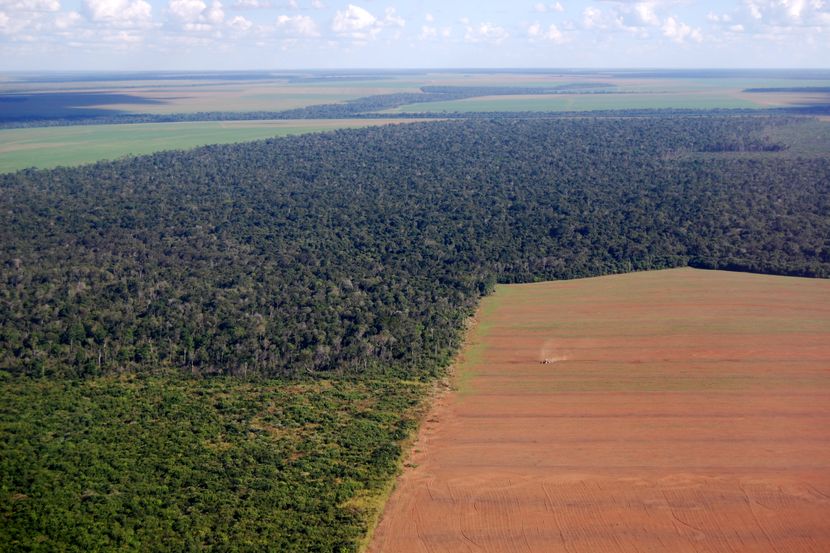
Nearly 80% of Amazon Deforestation Linked to Cattle Ranching, Not Tofu or Plant-Based Foods

Summary
- Cattle ranching is responsible for approximately 80% of Amazon deforestation.
- Most soy grown on deforested land is used for animal feed, not human consumption.
- Over 75-80% of global soy production is for animal feed less than 10% is for human food.
- Tofu production has a lower environmental impact than meat in terms of land use, emissions, and water consumption.
- Soy for human consumption often comes from regions with sustainability certifications, not the Amazon.
One of the most persistent myths in environmental discussions is that the increasing demand for plant-based products, specifically tofu, is a primary driver of Amazon rainforest destruction. It is time to address these misconceptions with hard facts and decipher the true cause of deforestation in this vital ecosystem.
The Grim Reality of Amazon Deforestation
The Amazon rainforest is indeed under threat, facing catastrophic consequences for biodiversity and global climate stability. However, scientific research consistently points to a different primary culprit than the one often cited in headlines.
The leading causes of deforestation include:
- Cattle Ranches: The dominant cause, responsible for approximately 80% of destroyed forest areas. Trees are cleared to create pastures for beef production destined for export.
- Soy Cultivation (for Animal Feed): While soy is a factor, it is crucial to understand its purpose. The vast majority of soy grown on deforested land is used to feed pigs, poultry, and cattle on industrial farms worldwide.
- Other Factors: Illegal logging, mining, and human-induced fires specifically set to expand agricultural land for livestock.
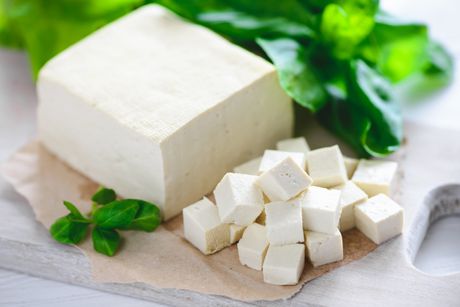
Numbers Don’t Lie: Where Does the World’s Soy Go?
When we look at global soy production, the disparity between human consumption and animal feed is staggering:
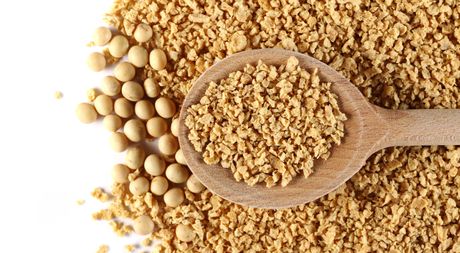
- Over 75-80% of the world's soy goes directly to animal feed for meat, dairy, and egg production.
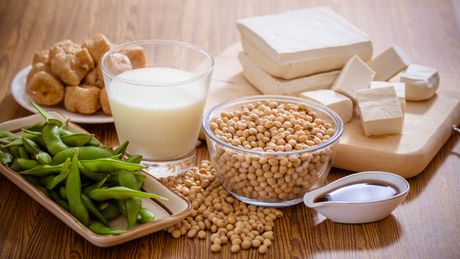
- Less than 10% is used directly for human food (tofu, soy milk, tempeh, and edamame).
- The remainder is used for industrial purposes, such as biofuels and soy oil.
It is clear that the demand driving forest destruction is a direct consequence of the growing global demand for animal products. By choosing plant-based proteins like tofu directly, you actually reduce your environmental impact because the nutrients do not have to pass through an animal first-a process that is notoriously inefficient.
What people online are saying
In discussions about soy and deforestation, many online users consistently highlight a key misunderstanding: most soy is not grown for tofu, but for animal feed. In one , users point out that blaming tofu misses the bigger picture, emphasizing that livestock production is the main driver of soy demand. Similarly, in another , commenters stress that eating soy directly is far more efficient than cycling it through animals, noting that the issue is not soy itself, but how it is used within the global food system.
Where is the Soy for Tofu Grown?
Soy intended for human consumption (like that used in organic tofu) typically comes from the USA, Canada, parts of Asia, and Europe. These crops often require sustainability certifications to ensure they do not contribute to deforestation. Furthermore, many regions, including our own, have strict regulations against GMO soy for human use, whereas these bans are often lifted for soy imported as animal feed.
Environmental Impact: Tofu vs. Meat
Replacing meat with tofu is one of the most effective ways to lower your ecological footprint:
- Land Use: Producing protein from plants requires significantly less agricultural land than raising livestock.
- Greenhouse Gas Emissions: Tofu production has a much lower carbon footprint per gram of protein compared to beef or dairy.
- Water Consumption: Growing plant proteins generally requires a fraction of the water needed for animal farming.
Why Does This Myth Persist?
Spreading misinformation about tofu and the Amazon often serves to deflect criticism from the true drivers of environmental destruction. Knowing the facts allows us to make informed choices. Choosing tofu, soy milk, or tempeh supports a more efficient food system that places significantly less pressure on vital ecosystems like the Amazon.
The vast majority of soy-driven deforestation is caused by the demand for animal feed, meaning that switching to plant-based proteins like tofu actually helps protect the Amazon by requiring far less land and resources.
Related news

The hidden trauma of meat industry workers: Emotional numbness, PTSD, and substance abuse
Animal Agriculture Consumes More Grains Than Households Waste-Enough to Feed Hundreds of Millions
Collagens Hidden Cost: How Your Beauty Routine Fuels Deforestation and Threatens Indigenous Lands
Meat Industry Consumes More Soy Than Humans: The Numbers Behind a Common Anti-Vegan Argument
Plant Based House reserves all rights to the content. For downloading content, see instructions on the Terms of Use page.