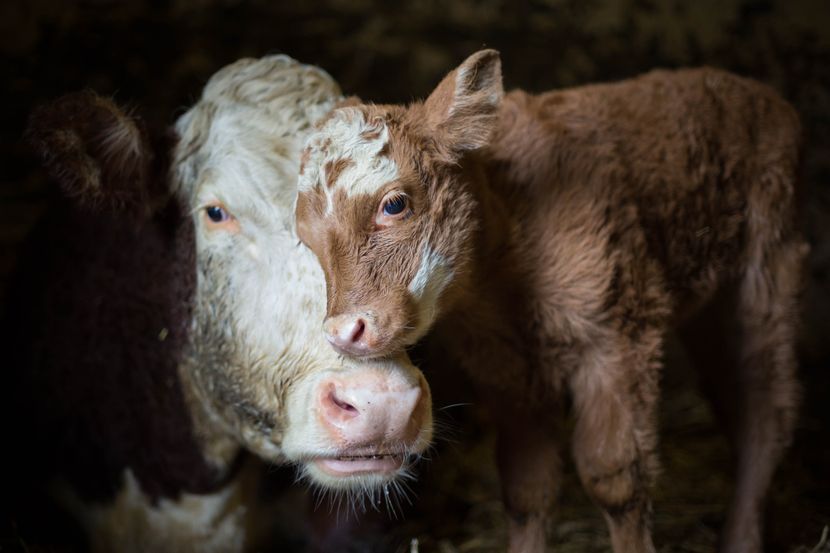
Why Cows Dont Just Make Milk: The Biological Facts Dairy Marketing Doesnt Want You to Know

Summary
- Cows produce milk only after giving birth, similar to all mammals.
- The dairy industry uses artificial insemination and separates calves from mothers to maintain milk supply.
- Cows grieve deeply when separated from their calves, showing emotional distress.
- The idea that cows need to be milked is a myth perpetuated by industry narratives.
Many people go through life without realizing where milk comes from and why. While marketing often depicts dairy as a wholesome necessity, few question the biological requirements for milk production. A powerful video from the well-known animal sanctuary Gentle Barn highlights this disconnect. According to its founder, Ellie Laks, visitors are frequently surprised to see cows living peacefully without exploitation, noticing their udders appear much smaller than expected.
Milk Production and Motherhood in Cows
The widespread image of cows with large, swollen udders is largely shaped by dairy industry imagery. However, the biological reality is simple: cows, like humans and all other mammals, produce milk only after they have given birth.
- The Udder Myth: Unless a cow has had a calf, her udder is very small with tiny teats.
- The Biological Trigger: Milk is not an automatic result of being a cow; it follows pregnancy and birth to nourish a calf.
Practices Within the Dairy Industry
To maintain a continuous supply of milk, the industry relies on a cycle of artificial insemination.
- Separation: Calves are typically removed from their mothers within 24 hours of birth so that the milk can be harvested for human consumption.
- Emotional Impact: Cows are deeply social and maternal animals; they have been observed to vocalize and grieve for days after their calves are taken away.
- Depletion: This cycle is repeated until the cows' bodies are depleted, usually by age five or six. In a natural environment, a cow’s natural lifespan can exceed 20 years. Once their productivity declines, they are typically sent to slaughter.
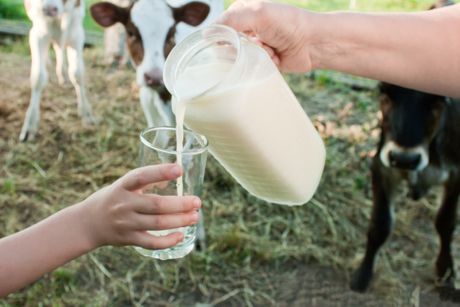
Challenging Common Misconceptions
A persistent myth suggests that cows "need" to be milked for their own health and would suffer from painful swelling otherwise. Sanctuaries like Gentle Barn show that this is only true because the industry forced the cow into a state of perpetual lactation. Without the cycle of forced pregnancy, a cow's udder remains nearly invisible and requires no human intervention.
Public Reactions and Insights
Discussions on this topic often reveal how widespread the misunderstanding about milk production really is. In one , many users admit they were surprised to learn that cows must first give birth to produce milk, noting that this basic biological fact is rarely discussed openly. Others point out that the idea that cows “naturally need milking” is largely shaped by industry narratives rather than biology.
Similarly, testimonies and educational materials collected on emphasize the emotional bond between cows and calves, describing how separation is one of the most distressing parts of dairy production. Together, these perspectives highlight a common theme: for many people, understanding how milk production actually works is often a turning point that reshapes how they view dairy consumption.
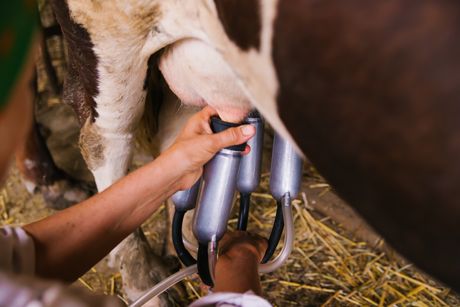
Choosing Compassion: Plant-Based Alternatives
Recognizing the reality behind dairy invites a shift in perspective. Choosing plant-based alternatives like oat, soy, almond, or coconut milk is not a sacrifice but a logical act of compassion. These options provide the same culinary functionality without the cycle of forced breeding and separation.
Informed Decisions
The dairy system is designed to keep these truths hidden from consumers. However, understanding the connection between motherhood and milk empowers individuals to make informed and empathetic decisions. Moving toward a plant-based lifestyle aligns our consumption with our values of kindness and transparency.
Plant Based House reserves all rights to the content. For downloading content, see instructions on the Terms of Use page.