Meat Industry Consumes More Soy Than Humans: The Numbers Behind a Common Anti-Vegan Argument

Summary
- The claim that crop farming kills more animals than the meat industry is a common argument in debates between meat-eaters and vegans.
- 80% of soy production is used for animal feed, not human consumption, contributing significantly to deforestation.
- A plant-based diet requires less land and water and causes less harm than a diet reliant on animal products.
Not a day goes by without someone from the meat-eating camp attempting to score a point in heated debates with vegans on social media by claiming: "But more animals die in crop farming than in the meat industry." They obviously consider this an argument that justifies the enormous number of domestic animals killed annually for human consumption.
This "belief," which has been widely circulating on social media in recent years, gained significant traction on Joe Rogan's podcast when his guest, a passionate hunter, was asked how he feels when criticized by vegans for the cruelty of hunting. He replied, "If you want to kill the most living creatures — be vegan." In this person's opinion, killing one wild boar in the forest causes much less harm than growing soy for tofu that a vegan might eat. "You eat tofu and think you're not responsible for any death? Well, screw you!" he said angrily.
If Everyone on the Planet Became Hunters...
Perhaps for individual hunters, this argument might hold, but on a massive scale, it is simply not realistic. Why is this certain? Because global data shows that domestic animals today make up about 62% of the biomass of all mammals on the planet, while wild animals make up only 4% (the human population comprises the remaining 34%). Even if the world's population miraculously turned to hunting, humanity would quickly exterminate what little wildlife is left on the planet!
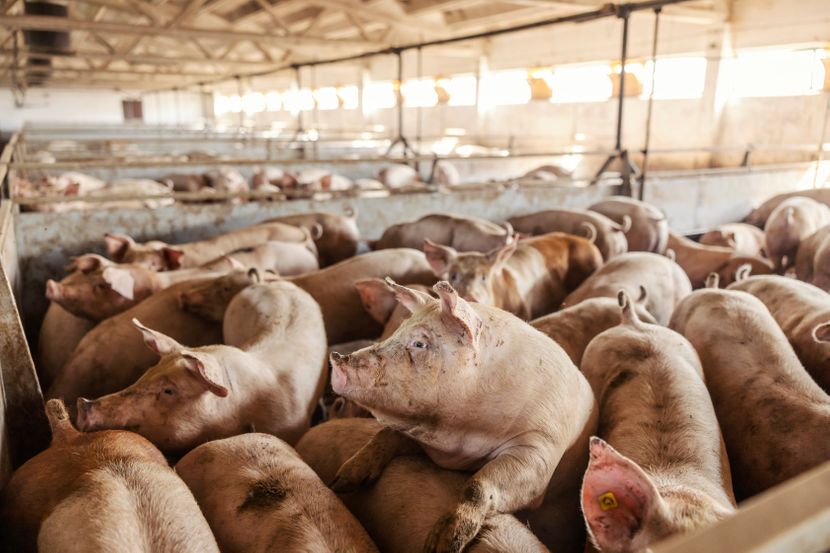
It is not uncommon for meat enthusiasts to ask why pork isn't a better option than tofu (soy) when only one pig needs to be killed, compared to the large number of rodents and insects that die during soy cultivation. While this question may not seem illogical at first glance, it unfortunately does not hold water. Those spreading such arguments—whether by accident or on purpose—forget to ask themselves a crucial question: what do all those pigs in the meat industry eat?
What's Easier: Eating Plants or Finding Spare Planets?
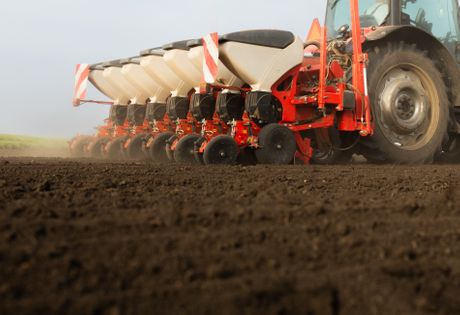
Data shows that the biggest consumers of soy worldwide are not vegans, nor even the rest of humanity, but domestic animals raised for human consumption. Almost 80% of the world's soy production ends up as animal feed!
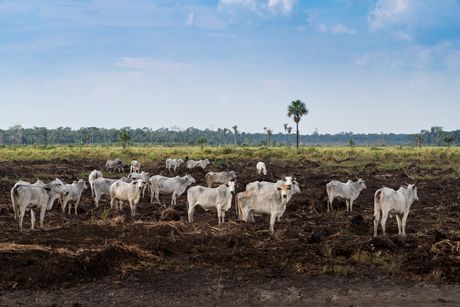
Moreover, about 80% of Amazon deforestation is due to clearing trees for soy cultivation or the expansion of large cattle farms. Regarding other major crops, only about 55% goes to human consumption, with most of the rest again used to feed farm animals. These figures demonstrate that a meat-based diet leads not only to the killing of billions of domestic animals but also to the indirect death of all living creatures during the production of plant food for those same animals.
Faced with such data, proponents of meat consumption often grasp at straws, asking: "But what about naturally raised cattle that graze? They don't eat grains and soy." Here, we again encounter the problem of scale. Agriculture globally already occupies almost half of all habitable land (excluding water, ice, deserts, and high mountains). In the US, grazing cattle farms occupy 41% of all available land, even though 99% of livestock is raised on industrial farms. To switch today's beef consumption entirely to grazing livestock would require at least 2.7 times more land. Scientists say that for such an undertaking on a global scale, we would need a few more planets.
Who Cares More About Small Bugs and Rodents?
We will probably never know the exact number of small animals, insects, or birds that die during mass crop cultivation, but that is not the crucial question here. What is certain is that a diet based predominantly on plant foods (a plant-based diet) causes significantly less harm than today's dominant diet, which relies heavily on animal products. Obtaining protein from plant foods also requires far less land and water.
Online debate
In online forums like r/DebateAVegan, the "crop deaths" argument is frequently dismantled through pure logic. Participants often point out the "Trophic Level" fallacy: since it takes roughly 10 kg of grain to produce just 1 kg of beef, eating meat effectively multiplies crop-related deaths tenfold. As users often argue, there is a profound moral difference between the incidental death of a field mouse during a harvest and the systematic breeding and slaughter of billions of sentient beings. Ultimately, the consensus in these debates is clear: the inability to achieve "zero harm" is not a valid excuse to choose the path of maximum harm. By reducing farmland use by up to 75%—which a plant-based shift would allow—we would drastically minimize both intentional and accidental animal deaths.
It is key to understand that no diet on a massive scale can be entirely without negative impact on the environment or the living world, but some are far less harmful than others. The desire of certain people to undermine the promotion of a plant-based diet stems from political, cultural, or psychological motives, which are open to discussion. However, invoking the claim that "the production of plant food kills more living creatures" is certainly not a valid argument for justifying mass meat consumption and its evidently devastating impact on the environment and limited planetary resources.
Related news

Chers Youthful Secret: How a Plant-Based Diet Helps the Star Stay Energetic at Nearly 80
Meet Akashinga: The All-Women Anti-Poaching Unit Protecting Zimbabwes Elephants and Communities
Nearly 80% of Amazon Deforestation Linked to Cattle Ranching, Not Tofu or Plant-Based Foods
The hidden trauma of meat industry workers: Emotional numbness, PTSD, and substance abuse
Plant Based House reserves all rights to the content. For downloading content, see instructions on the Terms of Use page.