Animal Agriculture Consumes More Grains Than Households Waste-Enough to Feed Hundreds of Millions

Summary
- Industrial animal farming wastes significant food resources by using grains and soybeans that could feed billions of people directly.
- Feeding animals with grains results in a massive caloric and protein loss, with only 3 to 25 calories of meat or milk produced per 100 calories of grains.
- The animal farming industry consumes more grains globally than all households, restaurants, and supermarkets waste combined.
- The environmental impact includes deforestation, biodiversity loss, soil degradation, and pollution from pesticides and fertilizers.
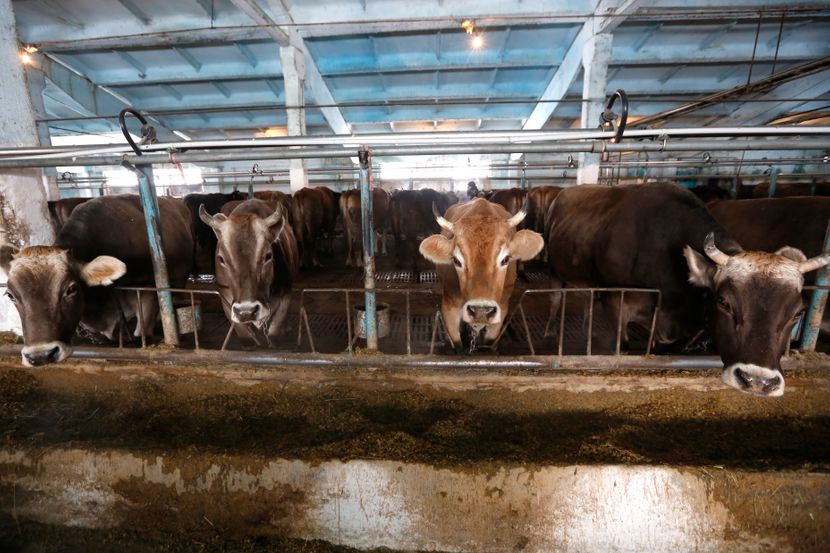
When we talk about food waste, we usually picture what ends up in the trash: stale bread, spoiled vegetables, or uneaten leftovers. However, the most significant source of wasted food remains almost completely invisible. We rarely consider what the billions of animals raised every year on industrial farms are fed.
By overlooking this, we lose sight of millions of tons of grains and soybeans grown annually—not for humans, but to feed animals confined in meat, dairy, and egg factories. According to recent studies, this is where the largest food waste on the planet occurs. We tend to "forget" that the exact same food used to fatten livestock could be used to feed billions of people directly.
The Devastating Inefficiency of Animal Agriculture
A new report by Compassion in World Farming (CIWF), titled Food Not Feed: How to Stop the World’s Biggest Form of Food Waste, reveals a stark reality: we are feeding animals food that is perfectly suitable for human consumption, all while millions of people go hungry.
Why is feeding animals grains and soy considered a massive waste? The report exposes the staggering inefficiency of the animal product industry:
- Caloric Loss: For every 100 calories of grains an animal eats, only 3 to 25 calories of meat or milk are produced.
- Protein Loss: For every 100 grams of plant protein fed to animals, we get only 5 to 40 grams of protein in the form of meat.
This means that 60% to 97% of food energy is lost before it ever reaches the human consumer.
The Global Wasters
Globally, the animal farming industry consumes 766 million tons of grains annually—more food than all households, restaurants, and supermarkets waste combined. The biggest contributors to this invisible waste are naturally the countries with the highest consumption of animal products:
- The European Union: Every year, 125 million tons of grains go toward animal feed. This amount alone is enough to feed 247 million people.
- The United States: Industrial animal farms use over 160 million tons of grain. Additionally, the US directly wastes another 66 million tons of food. Combined, these resources could feed an additional 288 million people (nearly the entire US population).
Online debate
In online forums, real users often debate the inefficiency of feeding crops to livestock and whether that feed could be used to nourish people instead. One widely discussed comment highlights that a large proportion of plant calories currently grown ultimately goes to livestock rather than direct human consumption, and that the digestible parts of many crops still end up being fed to animals, not eaten by people — a point often used to question the logic of current food systems.
Another discussion focuses on the nuances of this debate, where commenters push back against the idea that most of the feed is merely inedible leftovers, emphasizing that crops like corn and soy are grown explicitly to feed animals, not just from by-products, and that this contributes to inefficient use of land and calories compared with feeding people directly.
The Hidden Environmental Cost
Beyond the sheer waste of edible resources, industrial animal farming carries a massive hidden environmental cost. Growing grains and soy exclusively for animal feed requires vast amounts of land and resources, directly leading to:
- Deforestation and the destruction of rainforests.
- Severe loss of biodiversity as wild habitats disappear.
- Soil erosion and degradation.
- Heavy reliance on pesticides and artificial fertilizers, which pollute rivers, lakes, and the air.
The CIWF warns that if the current food production system does not change, the demand for animal feed grains will double by 2040, accelerating ecological destruction. Industrial animal farming is not only cruel and wasteful—it is the most ecologically destructive method of food production.
The Solution: Feeding People, Not Factory Farms
Organizations advocating for a sustainable future are calling on governments to abandon grain-intensive animal farming and transition to more efficient systems. Key solutions include:
- Shifting toward regenerative agriculture.
- Raising livestock on pasture instead of feeding them human-grade grains.
- Utilizing agricultural by-products and unavoidable food waste for animal feed rather than edible crops.
- Significantly increasing the production of plant-based foods for direct human consumption.
What Would We Achieve by Changing the System?
If we stopped using grains and soy as animal feed, at least 175 million hectares of arable land would be freed immediately—an area almost the size of Indonesia. This land could be repurposed to grow legumes, fruits, nuts, and grains directly for people.
To feed a growing global population sustainably, we need a clear vision: a food system designed to feed people, not factory farms, driven by regenerative agriculture and a much greater focus on plant-based foods. In other words, if we want to feed the whole world, we must fundamentally change the way we produce our food.
Related news

Nearly 80% of Amazon Deforestation Linked to Cattle Ranching, Not Tofu or Plant-Based Foods
The hidden trauma of meat industry workers: Emotional numbness, PTSD, and substance abuse
Collagens Hidden Cost: How Your Beauty Routine Fuels Deforestation and Threatens Indigenous Lands
Meat Industry Consumes More Soy Than Humans: The Numbers Behind a Common Anti-Vegan Argument
Plant Based House reserves all rights to the content. For downloading content, see instructions on the Terms of Use page.