Plant-based cheese gets a makeover: Now with 30% less fat and nearly 10g protein per 100g serving

Summary
- Recent plant-based cheeses use fermented bases like cashews and plant proteins from peas and soy.
- Traditional techniques and umami boosters enhance flavor and complexity.
- New products include cultured spreads, firm classics, and artisanal aged cheeses.
- Innovations like Violife Cheddarton and Oosty! powder offer improved nutrition and sustainability.
- The industry focuses on gut health, metabolic benefits, and environmental sustainability.
Not long ago, plant-based cheese alternatives carried a reputation for being bland and rubbery. Recent years, however, have brought a remarkable transformation, introducing products that are both nutritionally robust and culinary delights.
From Basic Imitations to Creative Innovations
Early plant-based cheeses relied heavily on coconut oil and starch, aiming to mimic the texture of dairy but often falling short in flavor and protein. The landscape has since changed with the introduction of:
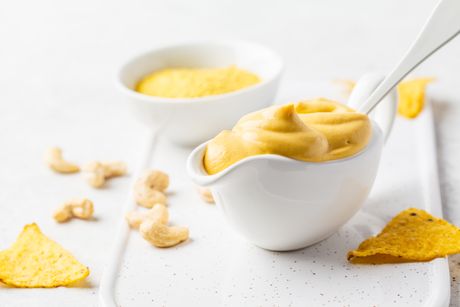
- Fermented Bases: Using cashews, almonds, sunflower seeds, and hemp.
- Plant Proteins: Incorporating high-quality proteins from peas, soy, and chickpeas.
- Traditional Techniques: Adopting probiotic cultures and fermentation to develop complex, aged flavors.
- Umami Boosters: Enhancing taste with natural ingredients like nutritional yeast and miso paste.
Expanding Variety in the Global Market
While some local markets are still catching up, international shelves now feature a sophisticated spectrum of options:
- Cultured Spreads: Creamy cashew-based cheeses with live active cultures.
- Firm Classics: Plant-based versions of cheddar and gouda that slice and grate perfectly.
- Gourmet Options: Artisanal aged cheeses with authentic rinds or blue mold.
- Innovative Powders: Solutions for home cheese-making that reduce packaging waste.
Spotlight on Industry Progress: 2026 New Launches
Innovation is evident in recent products from leading brands:
- Violife Cheddarton: This new arrival in the British market marks a significant leap. It boasts 30% less fat than dairy cheddar, nearly 10 grams of protein per 100 grams, and is completely lactose-free and cholesterol-free.
- Oosty! by Mill&Folks: A revolutionary cheddar-style cheese powder. Consumers simply mix it with water and oil, blend, and cook briefly to create a firm, meltable cheese at home. This approach aligns with low-waste principles by reducing transport weight and packaging.
Nutritional and Environmental Drivers
The newest generation of plant-based cheese addresses historical shortcomings by offering:
- Gut Health Benefits: Inclusion of probiotics.
- Metabolic Health: Zero cholesterol and significantly reduced saturated fats.
- Sustainability: A much lower ecological footprint compared to traditional dairy production.
- AI-Driven Formulation: Using artificial intelligence to refine textures and melting points to perfectly match dairy equivalents.
By moving away from simple starches toward fermentation and plant proteins, the new generation of cheeses offers a cholesterol-free and sustainable alternative that finally competes with dairy in both flavor and function.
Plant Based House reserves all rights to the content. For downloading content, see instructions on the Terms of Use page.