Study after the death of the world's oldest person: Scientists discover a pattern for a long life

Summary
- Maria Branyas Morera lived to 117, providing key data on human longevity.
- Her cells functioned like those of someone 17 years younger.
- She exhibited efficient fat metabolism and low cholesterol, enhancing cardiovascular resilience.
- Her gut microbiome, rich in Bifidobacterium, resembled that of a younger person.
- Her lifestyle mirrored the Mediterranean diet, with high fiber and avoidance of alcohol and tobacco.
The study of Maria Branyas Morera, a Spanish woman who lived to be 117, has provided researchers with extraordinary data on human longevity. Following her passing, genetic and tissue analysis revealed how certain individuals can reach extreme age while maintaining remarkable biological vitality. Her life, which exceeded the average lifespan in Catalonia by over three decades, serves as a cornerstone for understanding the intersection of genetics and lifestyle.
Unique Biological Markers in Super-Centenarians
Super-centenarians - those who live past 110 - remain rare, yet Morera’s case highlights that extreme age does not always equate to poor health. One of the most striking discoveries was that her cells functioned like those of someone at least 17 years younger than her chronological age.
Key findings from the cellular analysis included:
- DNA Methylation: Analysis of the process affecting gene activity showed that her cells retained characteristics commonly found in much younger individuals.
- Metabolic Efficiency: Morera maintained exceptionally efficient fat metabolism and consistently low cholesterol and triglyceride levels, key factors in cardiovascular resilience.
- Protective Traits: Researchers identified genetic markers linked to enhanced immunity, lower cancer risk, and protection against heart conditions.
The Microbiome and the Mediterranean Connection
A standout feature of Morera’s health was her gut microbiome, which resembled that of a much younger person. Her digestive system was rich in Bifidobacterium, a type of bacteria known for its potent anti-inflammatory effects and role in immune regulation.
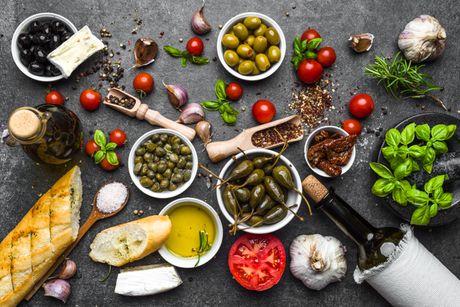
Scientists noted that her lifestyle choices closely mirrored the Mediterranean diet, which is consistently associated with gut health:
- Dietary Staples: Abundant intake of fruits, vegetables, and yogurt (natural probiotics).
- Fiber-Rich Nutrition: Supporting a diverse microbial environment that controls chronic inflammation.
- Avoidance of Toxins: A lifetime of avoiding alcohol and tobacco, coupled with daily walks.
Cellular Vitality and "Inflammaging"
The research into Morera’s tissue samples confirms that "inflammaging" - the chronic, low-grade inflammation that typically accompanies old age - was significantly less active in her system. Her relatives often noted her philosophy of avoiding negativity and "toxic" people, which researchers believe may have contributed to lower cortisol levels and reduced physiological stress.
Conclusions for Future Longevity Research
The case of Maria Branyas Morera strengthens the scientific view that biological youthfulness at the cellular level and a healthy, diverse microbiome are crucial for reaching an advanced age. Her genetic map continues to provide promising directions for studies aimed at understanding how diet and microbiome management can delay the onset of age-related diseases.
By combining Mediterranean dietary habits with a high-fiber intake that supports Bifidobacterium diversity, Maria Branyas Morera demonstrated that biological age can remain significantly lower than chronological age, even at 117.
Related news

Adopting Healthier Habits Reduced Biological Age Up to 11 Years in Study of Women Ages 46 to 65
Plant Based House reserves all rights to the content. For downloading content, see instructions on the Terms of Use page.