We will reduce the risk of death by up to 17% with just one change: Study reveals about butter

Summary
- Every 10g of vegetable oil daily lowers cancer death risk by 11% and cardiovascular death risk by 6%.
- Every 10g of butter daily increases cancer death risk by 12%.
- Olive oil and canola oil intake linked to lower cancer and cardiovascular death risks.
- Replacing butter with vegetable oil lowers overall mortality by 17%.
Fears about the use of vegetable oils that have spread over social media in recent years seem to be largely exaggerated. However, many have succumbed to this "anti-oil" hysteria and have started using animal fats like butter or lard more frequently for cooking. In the United States, current Secretary of Health Robert Kennedy Jr. claimed in his "Make America Healthy Again" campaign that nearly all health problems would be solved if citizens switched from vegetable oil to beef tallow.
Regardless of such political claims, the scientific community continues to rigorously review available data on dietary fat and its effects on health and mortality to clear up these controversies.
Researchers from Harvard Medical School recently conducted a study that statistically analyzed data on dietary fat intake across a massive sample size, aiming to compare the mortality rate between those who consume more butter and those who use more plant-based fats, including oils. Their findings were published in the renowned journal JAMA Internal Medicine.
Inside the Epic 33-Year Study
The study processed data from 220,000 men and women, collected over an impressive 33-year follow-up period. The average age at the start of the follow-up was 56 years in one group and 36 years in the other.
The data used comes from some of the world's most renowned epidemiological studies - the NHS (Nurses' Health Study) and the HPFS (Health Professionals Follow-up Study). At the beginning of the follow-up, all participants were entirely healthy - free from cancer, cardiovascular diseases, diabetes, and neurodegenerative diseases. The wealth of data collected included:
- Race and ethnicity
- Alcohol intake and smoking habits
- Medical and family history
- Body mass index (BMI)
- Level of physical activity
Participants filled out a comprehensive questionnaire about their diet, which included over 130 types of food, and this was repeated every 4 years. Based on all available data from these long-term studies, Harvard researchers calculated the average daily intake of butter and vegetable oils for each participant. The analysis took into account the total intake of all fats, both those used in food preparation and those added directly to meals.

What the Data Says: Vegetable Oils vs. Mortality
Before statistically analyzing the data, the researchers made necessary corrections to neutralize the influence of certain other factors that could contribute to the observed outcomes (such as adjusting for white bread intake and meal glycemic load, which could mask the true effects of different fats).
The main goal was to determine the association between butter and oil intake and premature death from any cause, as well as death specifically from cancer and cardiovascular diseases.
Here is what the massive data pool revealed:
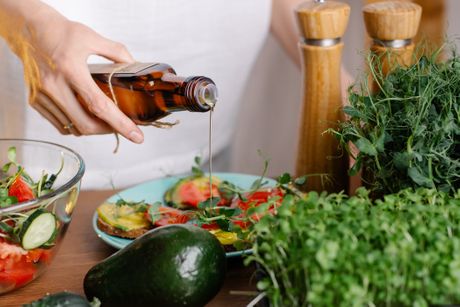
- Vegetable oil benefits: Every 10 g of vegetable oil daily is associated with an 11% lower risk of death due to cancer and a 6% lower risk of death due to cardiovascular diseases.
- Butter risks: Every 10 g of butter daily is associated with a 12% higher risk of death from cancer.
- Olive oil: Every 5 g of olive oil daily is associated with a 4% lower risk of death from cancer and a 3% lower risk of death from cardiovascular diseases.
- Canola and soybean oil: Every 5 g of daily intake of canola oil and soybean oil is associated with a 19% and 6% lower risk of death from cancer, respectively.
- The Ultimate Swap: Replacing 10 g of total butter intake daily with the same amount of vegetable oil is associated with a 17% lower overall mortality rate (from any cause), a 17% lower rate of death from cancer, and a 6% lower rate of death from cardiovascular diseases.
What People Online Are Saying
In online discussions about dietary fats and health, many people weigh in with practical personal experiences and opinions that reflect broader confusion and evolving understanding. In a Reddit thread analyzing butter and plant-based oil intake and mortality, several commenters note that switching from animal fats to vegetable oils like olive or canola often made their meals feel lighter and more digestible, and some attributed improved cholesterol readings to that change.
In another thread comparing beef tallow with seed oils for cooking, many users discuss flavor and cooking performance rather than strict health outcomes. Some prefer using beef tallow because it “tastes richer” or performs better at high heat, while others counter that seed oils like olive and canola are more versatile and heart-friendly.
These discussions show that while scientific evidence may favor unsaturated plant oils for long-term health, people’s real-world choices are often influenced by taste preferences, cooking habits, and personal experiences with digestibility and satiety.
Understanding the Real-World Impact
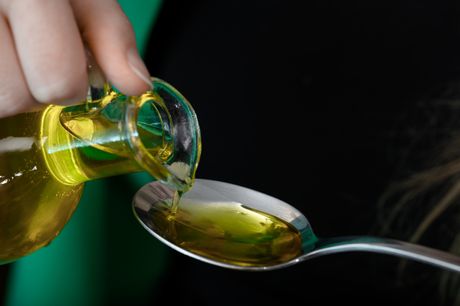
These results clearly show that a higher intake of vegetable oils is consistently associated with lower risks of death from all causes, as well as death from cancer and cardiovascular diseases. Furthermore, the most significant finding is that simply replacing butter with an identical amount of vegetable oil drastically lowers these risks. Therefore, previous medical recommendations to give preference to unsaturated vegetable oils in the diet have been strongly reaffirmed by this data.
Generally speaking, the risks of consuming certain foods must always be considered in the context of the overall daily diet pattern. If a diet is varied and whole - including fruits, vegetables, whole grains, lean proteins, legumes, nuts, and seeds - while maintaining healthy lifestyle habits (movement, sleep, and stress control), an occasional serving of butter is not a primary concern.
However, the dangers of excessive intake and favoring animal fats in the diet are clear and scientifically documented. To understand these statistics practically: a 12% higher risk of death means that out of two equally sized populations, the group exposed to the higher risk will see 12% more individuals develop terminal illnesses compared to the other group. These are preventable risks that can be heavily mitigated by simply swapping cooking fats.
Related news

How Plant-Based Diets May Starve Tumors: The Science Behind Anti-Angiogenic Foods and Cancer Prevention
Want to cut your cardiovascular risk? Aim for at least 50% of your daily protein from plant sources
Why social medias fear of seed oils misses what science actually says about inflammation
Switching from cows milk to soy milk lowers cholesterol, blood pressure, and inflammation, study finds
Plant Based House reserves all rights to the content. For downloading content, see instructions on the Terms of Use page.