
Did You Know Diet Can Impact Arthritis? Science Links Gut Health and Inflammation to Joint Pain

Summary
- Certain plant-based foods with anti-inflammatory properties can relieve arthritis symptoms and improve joint function.
- Professor Tim Spector highlights the link between diet, the microbiome, and arthritis, noting the role of chronic inflammation.
- An anti-inflammatory diet, similar to the Mediterranean diet, can reduce arthritis symptoms and includes vegetables, fruits, nuts, seeds, whole grains, legumes, olive oil, and fermented foods.
- Avoiding ultra-processed foods, sugar, and harmful fats is crucial to reduce inflammation.
Arthritis can slow you down, make using stairs difficult, prevent you from running for a bus, and even turn getting up from a chair into a daily challenge. To relieve pain, patients often rely on medication. Unfortunately, many do not know that what is put on the plate every day can greatly help against painful symptoms.
Science has shown that certain types of food - primarily plant-based - with their anti-inflammatory properties can relieve joint pain and support joint function. Therefore, for anyone suffering from some form of arthritis, it can be very helpful to learn how simple dietary changes can bring relief from symptoms and improve mobility, allowing them to enjoy life again.
The Microbiome and Metabolic Link
Professor Tim Spector spent over 20 years at a renowned hospital in London as a rheumatologist before moving into the field of epidemiology. Today, he is one of the most cited scientists regarding the impact of the microbiome (gut flora) on health. He notes that the number of people suffering from some form of arthritis is increasing and warns that this condition is often associated with obesity, which further burdens the joints and worsens the problem.
There are many types and forms of arthritis, but the most common is osteoarthritis - a degenerative joint disease that usually starts in one joint and gradually spreads. On the other hand, rheumatoid arthritis also attacks the joints, but it is an autoimmune disease. The causes of arthritis vary: for some, the reason may be obesity; for others, genetics or hormonal changes during menopause.
Professor Spector emphasizes that scientists today are aware that the underlying changes in the joints are not just mechanical reasons for wear due to use, but also involve metabolic processes. He explains that all forms of arthritis, to some extent, involve chronic inflammatory processes. These constantly stimulate the immune system, causing that unpleasant and frequently present morning stiffness. These inflammatory processes are directly related to diet and the condition of the microbiome - and this applies even to osteoarthritis, which was once considered simply a "wear and tear" disease. Better nutrition can reduce inflammatory processes in the body, which, according to Spector, will significantly ease symptoms in the joints, reducing both pain and stiffness.

The Mental Health Connection
Not only that, but Professor Spector emphasizes that such anti-inflammatory nutrition will contribute to better mental health. This is incredibly important for patients suffering from arthritis, as data shows that 20% of those with osteoarthritis and up to 40% with rheumatoid arthritis also suffer from depression. Doctors once considered the occurrence of depression solely in the context of living with pain and physical limitations. Today, many believe that the aforementioned inflammatory processes play a key role in the development of depression by directly affecting the brain.
Which Foods to Prioritize for Preventing and Alleviating Symptoms?
It is very important to try to alleviate inflammatory processes, whether dealing with an existing form of arthritis or trying to prevent it. Although more large-scale studies are needed, numerous smaller studies indicate that an anti-inflammatory diet - practically a Mediterranean-style diet with a high fiber content - can significantly alleviate symptoms.
Professor Spector recommends this approach, emphasizing that this means filling most of the plate with:
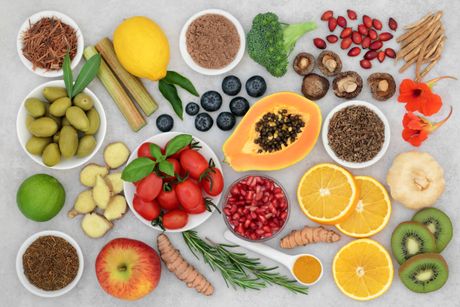
- Vegetables and fruits
- Nuts and seeds
- Whole grains and legumes
- Fresh and dried spices
- Olive oil
- Fermented foods (yogurt, sauerkraut, kimchi, kefir, miso paste, etc.) - consumed several times a day in small portions.
On the other hand, he warns that certain types of food actively promote inflammatory processes. These are mainly ultra-processed foods - sausages, ham, bacon, chips, cookies, fast food, and fried foods. Foods that are full of sugar and harmful fats, and devoid of fiber, should be replaced with healthier alternatives whenever possible. Professor Spector assures that a better quality, anti-inflammatory diet will alleviate existing arthritis symptoms and reduce the chance of developing them in those who do not yet have the condition.
What People Online Are Saying
In a Reddit discussion, users share mixed but thoughtful experiences. Several report that reducing sugar and ultra-processed foods helped lower overall inflammation and improved how they felt day-to-day. Some note that a whole-food, plant-based diet worked best alongside medical treatment, while others say diet alone did not dramatically change their flare-ups.
The common takeaway is clear: while nutrition may not replace medication, many patients find that eating more whole, plant-rich foods helps them feel better and more in control of their symptoms.
The Anti-Inflammatory Plate Formula
In his video demonstrations, Professor Spector shows how to prepare a simple lunch rich in anti-inflammatory ingredients using this easy formula:
- One-half of the plate: Brightly colored vegetables and fruits rich in polyphenols that calm the immune system.
- One-quarter of the plate: Plant proteins such as legumes, quinoa, tofu, and whole grains.
- One-quarter of the plate: Fermented foods - like yogurt, kefir, or kimchi - which are rich in live beneficial bacteria.
Related news

Study links juice-only diets to increased harmful gut bacteria and potential cognitive decline
Did Fermented Foods Spark the Evolution of the Human Brain? Research Uncovers a Surprising Link
Ultra-processed foods may worsen anxiety: Heres how sugar, additives, and low fiber affect your brain
The Italian Paradox: Why the Land of Pizza and Pasta Isn't Struggling with Obesity
Plant Based House reserves all rights to the content. For downloading content, see instructions on the Terms of Use page.