
Why social medias fear of seed oils misses what science actually says about inflammation

Summary
- Higher levels of omega-6, particularly linoleic acid, are linked to a lower risk of cardiovascular diseases and better blood sugar control.
- The omega-6 to omega-3 ratio may not significantly impact health as long as omega-3 intake is adequate.
- Scientific evidence suggests replacing seed oils with olive oil rather than animal fats for better health outcomes.
If you occasionally spend time on social media and follow topics related to nutrition and health, you've surely come across posts about the dangers lurking from the use of seed oils (most oils available in stores). Not only are these oils discussed as dangerous, but they are literally presented as the "greatest poison." Someone uninformed might wonder: why on earth don't these oils have a skull and crossbones label, like all other poisons?
Instead of giving in to the wave of hysteria about the dangers of using seed oils on social media, let's rationally consider this topic.
The Fear Factor: Why Influencers Target Seed Oils
It's noticeable that many influencers on social media often resort to scaring people, as it seems there's no better tool for gaining likes, shares, and comments. And what targets bring the most attention? Logically, the very products that each of us has in our home and uses daily. That's why seed oils are an ideal candidate.
The problem is that science and its findings do not agree with the claims of this mass hysteria. And although we all agree that too much oil in the diet—of any kind—is not particularly good for health, it certainly isn't the "main cause of all modern diseases today." Such claims seem to be more clickbait than truth.
So that you don't have to panic about such posts or wonder whether you should throw out all the oil in your house, we've delved into what science actually says on this topic.

What Is the Criticism Based On? The Omega-6 Argument
Many on the Internet claim that the problem with seed oils is that they contain high levels of omega-6 fatty acids. Their argument is that one of the most prevalent omega-6 fatty acids—linoleic acid—is converted in our body into arachidonic acid. This, as some say, leads to the formation of certain substances that promote inflammatory states in the body.
And here come the health warnings because it is known that a wide range of chronic diseases—from diabetes and cardiovascular diseases to cancer and depression—have inflammatory processes at their root. This means that if oils really "add fuel to the fire" of inflammatory processes, they are indeed something to be concerned about.
But what might sound logical in theory, many recent scientific studies do not support. Quite the contrary—if you ask science, things stand quite differently than influencers allegedly concerned about our health claim.
What Is Linoleic Acid and What Does Science Say?
Linoleic acid is an essential fatty acid, which means our body doesn't produce it; we must obtain it through food. Besides seed oils, linoleic acid is also present in meat, eggs, and nuts. It plays many important roles in our body, including maintaining skin health and participating in the formation of cell membranes.
When linoleic acid is converted into arachidonic acid with the help of enzymes, it is then converted into a range of important substances involved in many crucial processes—for example, wound healing, blood clotting, and regulating inflammatory processes.
And although inflammation has become a "dangerous" word associated with chronic diseases, we must not forget that it is also a natural response of the body to injuries and infections. Without this response, our health would be in great trouble. The only problem with inflammation is when it occurs in the wrong place at the wrong time and when we have more than we need.

Scientific Studies: No Cause for Panic
A large number of scientific studies conducted in recent years on the effects of seed oils have not indicated the need to worry about their consumption in reasonable doses. Here are just a few:
- A review of scientific studies from 2022 concluded that higher levels of omega-6 fatty acids, particularly linoleic acid, are associated with a lower risk of cardiovascular diseases, as well as better blood sugar control and a lower chance of developing type 2 diabetes.
- Another review concluded that people with higher levels of linoleic acid in their blood do not have higher levels of inflammatory markers in their bodies (in fact, even lower).
- A review of 15 studies on linoleic acid intake and inflammatory markers also found no evidence that this substance contributes to increased inflammation in the body.
The Omega-3 to Omega-6 Ratio: Does It Matter?
At some point, a discussion arose about whether the ratio of omega-3 and omega-6 fatty acids intake in modern diets is the cause of health problems. Namely, scientists say that our ancient ancestors consumed these fats in a 1:1 ratio, while today many consume omega-6 to omega-3 at a ratio of 16:1, or even 20:1.
However, according to the vast majority of scientific evidence available so far, when it comes to inflammatory processes, it seems that the ratio of omega-6 to omega-3 fatty acids isn't overly important, as long as the absolute level of omega-3 intake isn't too low.
The Problem with "Convincing" Graphs
And what raises the most dust about the dangers of using oils on social media? Graphs. Everyone loves them because they tell a story concisely and vividly. The problem, however, is that this story tells much more about correlation than about causality.
Because if you looked at a graph showing the increase in fast and industrial food consumption over the years, it would also show a parallel increase in chronic diseases. Only that presentation would tell a much more important story.
Yes, ultra-processed food often contains a lot of oil, but it also contains a lot of sugar, salt, and various additives. More importantly, it is often lacking in fiber and other important nutrients. This most likely tells us that such nutritionally poor food is associated with the rise of chronic diseases, but oils are hardly the main and only problem.
Conclusion: What Should You Replace Seed Oils With?
As a conclusion to this inflated fuss about the dangers of oils, we can say the following: if you want to avoid using seed oils just in case—that's perfectly fine if that's what you want.
However, some suggest replacing them with animal fats, such as lard, butter, or beef tallow. Science does not support this, as research generally associates these animal fats with poorer health effects.
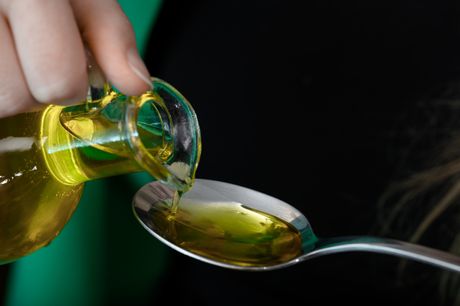
So, if you want to listen to science and not influencers, and you want to replace seed oils in your diet, then that replacement should be olive oil.
Related news

We will reduce the risk of death by up to 17% with just one change: Study reveals about butter
Drinking Two Glasses of Water Before Meals Boosts Weight Loss by 44 Percent, Study Finds
Want to cut your cardiovascular risk? Aim for at least 50% of your daily protein from plant sources
Switching from cows milk to soy milk lowers cholesterol, blood pressure, and inflammation, study finds
Plant Based House reserves all rights to the content. For downloading content, see instructions on the Terms of Use page.