
Switching from cows milk to soy milk lowers cholesterol, blood pressure, and inflammation, study finds

Summary
- Plant-based milk popularity rises due to health and environmental concerns about dairy.
- Cows milk linked to hormone-sensitive cancers and chronic diseases due to estrogens and saturated fats.
- Soy milk offers health benefits, reducing cancer risks and improving heart health, with studies showing reductions in LDL cholesterol and inflammation.
The surge in plant-based milk popularity reflects growing apprehensions about the health and environmental impacts of traditional dairy. Mounting scientific evidence has linked regular cow's milk consumption to potential long-term health issues. Among these, increased risks of hormone-sensitive cancers-including breast, ovarian, and prostate cancer—have been connected to the intake of additional estrogens and specific growth factors naturally present in cow’s milk. Furthermore, a significant portion of the population experiences lactose intolerance, resulting in digestive discomfort for many consumers.
Beyond health, the environmental footprint of livestock farming has drawn considerable criticism. Detrimental consequences such as the acceleration of climate change, environmental pollution, deforestation, and threats to wildlife are increasingly associated with the dairy industry.
Evaluating Nutritional Claims and Risks
Cow’s milk and dairy products are often promoted for their calcium and protein content. However, their high levels of saturated fat are frequently downplayed. Scientific research has shown that saturated fats can trigger inflammatory processes within the body, which are implicated in the development of chronic diseases, including cardiovascular conditions.
Soy Milk: Nutritional Profile and Health Benefits
Soy milk stands out among plant-based alternatives due to its nutritional similarity to cow’s milk. It delivers ample protein while maintaining very low levels of saturated fat. Notably, soy contains isoflavones, a type of phytoestrogen that research suggests may not only avoid stimulating hormone-sensitive cancers, but could also inhibit the spread of such cancers by blocking estrogen receptors. Studies have revealed a protective link between soy consumption and reduced cancer risk.
Additionally, soy’s positive influence on heart health has been recognized, with the American Heart Association granting soy products a ‘heart-healthy’ designation.
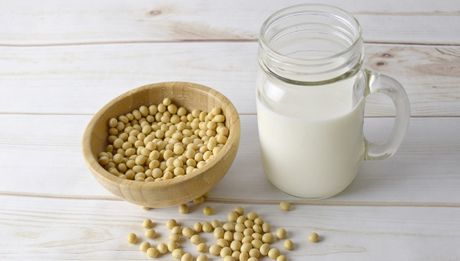
Scientific Review Confirms Benefits of Switching to Soy Milk
British gastroenterologist Dr Alan Desmond recently highlighted findings from a comprehensive meta-analysis conducted by Canadian nutrition researchers. This review scrutinized 14 randomized clinical trials examining the health effects of substituting cow’s milk with soy milk. According to Dr Desmond, the analysis demonstrated that individuals who made this dietary switch experienced measurable improvements in blood biomarkers, including reductions in LDL cholesterol, blood pressure, and levels of CRP (a marker for chronic inflammation).
Crucially, these benefits were observed regardless of whether the soy milk contained added sugar. Dr Desmond also addressed a widespread misconception circulating on social media: the notion that soy milk is an ‘ultra-processed food’ and, therefore, no better than cow’s milk. The meta-analysis findings directly challenge this belief, indicating clear health advantages from choosing soy milk, even when sweetened varieties are consumed.
Current scientific evidence strongly suggests that replacing cow’s milk with soy milk can lead to multiple health benefits. The move not only appears safe but may also offer protection against chronic disease, with positive effects evident even in soy milk containing added sugar.
Related news

We will reduce the risk of death by up to 17% with just one change: Study reveals about butter
Want to cut your cardiovascular risk? Aim for at least 50% of your daily protein from plant sources
Why social medias fear of seed oils misses what science actually says about inflammation
Plant Based House reserves all rights to the content. For downloading content, see instructions on the Terms of Use page.