How Plant-Based Diets May Starve Tumors: The Science Behind Anti-Angiogenic Foods and Cancer Prevention

Summary
- Tumor growth depends on angiogenesis, the formation of new blood vessels, which modern treatments aim to block.
- Plant-derived nutrients can hinder cancer progression by suppressing angiogenesis through diet.
- Vegetarians show higher levels of phytonutrients, which suppress blood vessel development in tumors.
- Key anti-angiogenic compounds include flavonols quercetin, isoflavones genistein, resveratrol, EGCG, and hydroxytyrosol.
The growth and spread of tumors rely heavily on the body’s ability to form new blood vessels—a process known as angiogenesis. Modern cancer treatments often target this exact mechanism to block tumors from accessing essential nutrients and oxygen. However, emerging research suggests that certain plant-derived nutrients may offer a highly effective, proactive way to hinder cancer’s progression through diet alone.
Understanding Angiogenesis and Tumor Growth
Tumors require a steady supply of blood to grow beyond a microscopic size. They accomplish this by releasing chemicals called angiogenic factors, which actively signal nearby blood vessels to grow towards them. When a vessel finally connects, the tumor gains the capacity to expand rapidly and spread throughout the body. Anti-angiogenesis therapies are designed to disrupt this connection, effectively starving tumors and restricting their growth.
Interestingly, autopsy data show that most individuals over age 70 harbor tiny, dormant tumors that never progress to disease. This highlights how successfully controlling the blood supply can keep cancer in check as a normal, manageable part of aging.

Evidence for Plant Phytonutrients in Cancer Defense
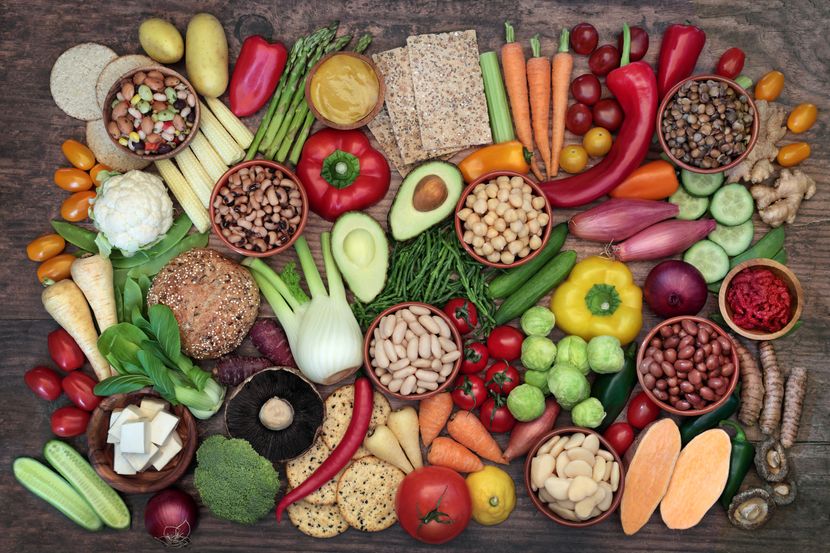
Researchers became interested in the potential of plant-based diets after observing that individuals who avoid animal products tend to have a significantly lower incidence of cancer. Laboratory experiments using urine samples from vegetarians revealed that their bodies contained significantly higher levels—at least 30-fold—of beneficial phytonutrients compared to those on typical diets. These compounds were shown to directly suppress the development of new blood vessels in controlled settings.
Follow-up studies confirmed that consuming plant foods can quickly boost protective phytonutrient concentrations in the body. For example, eating just one cup of broccoli soup provided enough of these nutrients to exert a measurable effect on angiogenesis. However, this protection is short-lived; levels in the bloodstream drop sharply after six hours and disappear entirely within a day. This finding emphasizes the absolute necessity of consistently including these foods in one’s daily regimen for ongoing cancer defense.

Key Plant Compounds with Anti-Angiogenic Effects
Among the various plant compounds examined, polyphenols stood out for their potent biological activity.
Here are the most notable anti-angiogenic compounds and where to find them:
- Flavonols (Quercetin): Demonstrated remarkable anti-cancer effects. Quercetin is abundantly found in onions, broccoli, apples, berries, olive oil, red wine, green tea, and a variety of spices.
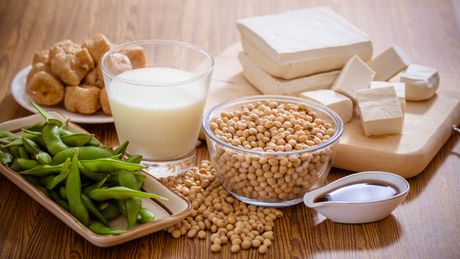
- Isoflavones (Genistein): Found primarily in soy and soy products, as well as ground flaxseeds and various beans. Isoflavones play a key role in regulating estrogen receptors, which is believed to underlie soy’s protective properties against breast cancer. Genistein specifically inhibits cancer growth by impacting cell proliferation, programmed cell death, and angiogenesis.
- Resveratrol & EGCG: Found in grapes/red wine and green tea, respectively. Additional research supports the ability of these plant compounds, along with curcumin (from turmeric), to target and eliminate cancer stem cells.
- Hydroxytyrosol: A powerful substance found in extra virgin olive oil, which is also strongly associated with blocking new blood vessel formation.
Why Daily Consumption Is Essential
Studies have made it abundantly clear that the anti-angiogenic benefits of plant-based foods depend entirely on their regular intake. Because the concentration of protective phytonutrients diminishes so quickly, these foods must be eaten every single day—not just occasionally—to maintain their cancer-fighting potential.
Scientific findings point to the profound role that a diverse, plant-rich diet can play in limiting angiogenesis and curbing cancer development. By intentionally choosing foods high in polyphenols, flavonols, and isoflavones on a daily basis, individuals can harness natural compounds that actively support the body’s innate defenses against tumor growth and spread.
Related news

Cancer Can Take Decades to Develop-Why Your Daily Habits Matter More Than You Think
We will reduce the risk of death by up to 17% with just one change: Study reveals about butter
Plant Based House reserves all rights to the content. For downloading content, see instructions on the Terms of Use page.