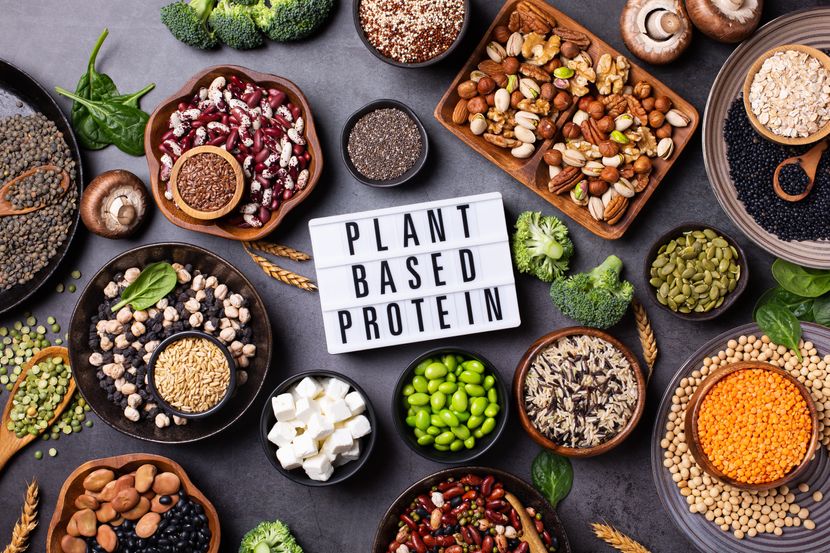
Want to cut your cardiovascular risk? Aim for at least 50% of your daily protein from plant sources

Summary
- A higher plant-to-animal protein ratio significantly benefits cardiovascular health, reducing cardiovascular disease risk by 19% and heart disease risk by 27%.
- The study analyzed 30 years of data from over 200,000 adults, adjusting for health, lifestyle, and socio-economic factors.
- Replacing red and processed meats with plant proteins like legumes and nuts reduces chronic heart and vascular disease risk.
- Plant proteins are rich in fiber and low in saturated fats, which are beneficial for reducing heart disease risk factors.
Many studies have already demonstrated the health benefits of a diet rich in plant-based foods. However, a very interesting study was published recently that focused specifically on protein intake—and more importantly, the ratio of plant-to-animal protein consumed.
The results of this research from Harvard University show that a diet with a higher proportion of plant proteins compared to animal proteins can have significant benefits for cardiovascular health. Researchers found that participants with the highest ratio of plant-to-animal protein had a 19% lower risk of cardiovascular disease and a 27% lower risk of developing heart disease, compared to those with the lowest intake of plant protein relative to animal protein.
Study results: What is the winning combination for the heart?
The study noted that the average American consumes proteins at a ratio of 1:3 (plant:animal), meaning three times more animal protein (75% of consumed protein is of animal origin). However, the results showed that preventive effects against cardiovascular disease begin to appear only at a ratio of 1:2. For heart disease specifically, it is optimal to aim for a 1:1 ratio. This means that if we care about our heart health, at least 50% of the proteins we consume daily should be plant-based.
These findings are robust. The researchers analyzed data collected over 30 years regarding heart health, diet, and lifestyle from over 200,000 adult men and women. From this data, they calculated the daily protein intake in grams for all participants, covering both animal and plant sources. They also adjusted for participants' health profiles, lifestyles, and socio-economic factors. Not only did they find that those who consumed the highest proportion of plant protein had the lowest risk of heart and vascular diseases, but they also found that risks were even lower for those with a higher total protein intake (provided it was plant-heavy).
In the conclusion, researchers determined that the reduction in risk for chronic heart and vascular diseases occurs when red and processed meats are replaced with plant protein sources, such as legumes and nuts. These foods naturally contain healthy fats, fiber, antioxidants, vitamins, and minerals. All these nutrients have been shown to beneficially affect risk factors for heart disease, such as inflammatory biomarkers, blood pressure, and blood lipids.
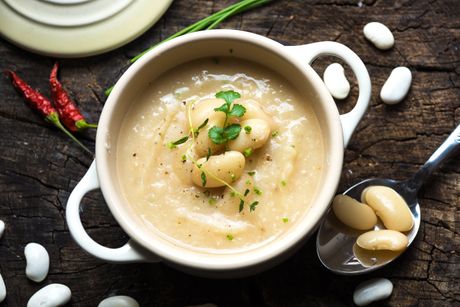
“Most of us need to start changing our diet and increase the share of plant proteins”
Professor Christopher Gardner of Stanford University (author of the renowned twin study), commented on the study's results, praising the findings as innovative though not surprising. He noted that while various studies have found similar results over the years, few have focused specifically on the plant-to-animal protein ratio in the diet.
He sees the benefit of this approach in avoiding polarization; it doesn't insist on a restrictive, plant-only diet. This means that for many, giving up meat—which can be difficult or unimaginable—is not strictly necessary. Instead, the key is to consume significantly less meat, especially considering that modern animal protein consumption is excessive.
Professor Gardner also interpreted that the reduction in disease risk is driven less by the protein content itself, and more by the differences in fiber and saturated fat content between plant and animal sources. Specifically, the type of protein is an indirect measure of fiber and saturated fat. It is well known that fiber reduces the risk of cardiovascular disease, while saturated fats increase it. Animal foods have zero fiber but are the primary source of saturated fats. On the other hand, those who consume the most plant proteins get the most fiber and the least saturated fat.
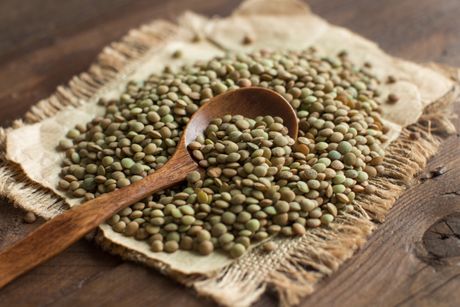
How to increase the share of plant proteins
In some parts of the world, culinary tradition relies heavily on plant foods with high protein content—legumes, soy and soy products (tofu, tempeh), nuts, and seeds. Many of their dishes rely on tofu, chickpeas, lentils, almonds, cashews, peanut butter, and tahini. All of these are excellent plant protein sources for creating delicious dishes that don't require animal products.
Unfortunately, in the Balkans, we don't have a deep plant-based culinary tradition to draw from, but we can start creating a new one. From personal experience, after more than 5 years of cooking exclusively plant-based meals daily, here is my advice on increasing plant protein intake while reducing animal products:
1. Discover diverse uses for legumes
Beans are not just for traditional heavy stews or casseroles. You can also: add them to hearty meal salads, put them in wraps (with vegetables, rice, and various dressings), blend them with spices and tahini into plant-based spreads (pâtés), add them to baked vegetable dishes (like pilaf) and various vegetable soups, or blend them into pasta sauces. The same applies to chickpeas and various types of lentils.
2. Discover ways to use nuts daily
Almonds, peanuts, and cashews are not just for snacking, and walnuts are not just for cakes. Cashews have a neutral taste and creamy texture, making them ideal for creamy sauces and dressings when blended. Along with almonds and peanuts, they are also excellent additions to Asian-style rice dishes. Peanut butter is perfect for salad dressings or Buddha bowls (whole grains and veggies). Ground walnuts are known for providing a "meaty" flavor and texture, making them a great substitute for minced meat (in combination with mushrooms, onions, and spices). Raw walnuts are a great topping for salads, especially those with fruit (apples, oranges, etc.).
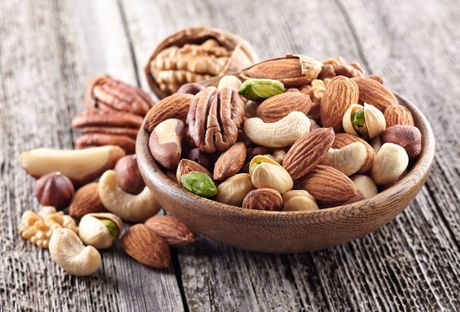
3. Add seeds to your daily diet
Sesame seeds are not just for sprinkling on buns. You can briefly roast them in a pan along with sunflower and pumpkin seeds and use this mix as a topping for salads or roasted vegetables. Prepare spreads with added seeds to replace dairy ones (which are high in saturated fats), or use seeds as a base for healthier salad dressings.
4. Introduce whole grains. Don't let your only grain intake be bread and baked goods. Brown rice, buckwheat, quinoa, barley, millet, bulgur, and oats should be on the menu as often as possible.
Related news

Debunking Soy Myths: What Decades of Research Really Say About Hormones, Cancer, and Nutrition
Red and processed meats linked to chronic inflammation: What science reveals about your daily diet choices
Overcome insomnia naturally: The importance of magnesium and plant-based sources that are a savior
We will reduce the risk of death by up to 17% with just one change: Study reveals about butter
Plant Based House reserves all rights to the content. For downloading content, see instructions on the Terms of Use page.