Myth or Truth: Does the Increasing Consumption of Tofu Contribute to the Disappearance of the Amazon Rainforest?

Summary
- Cattle ranching is the leading cause of Amazon deforestation, responsible for about 80% of deforested areas.
- Over 75% of global soy is used for animal feed less than 10% is for direct human consumption.
- Plant-based protein production requires less land, water, and has a lower carbon footprint than animal protein production.
One of the most persistent myths circulating for years is that the growing demand for plant-based products—especially tofu—is a leading driver of Amazon Rainforest destruction.
Given that sustainability and the preservation of planetary resources are core values of the plant-based movement, it is time to address these misconceptions with facts. Let’s unravel the origins of this narrative and uncover the real truth behind the deforestation of the planet's precious "lungs."
The Amazon Rainforest Is Under Threat – But By What?
First, we must face the grim reality. The Amazon Rainforest is indeed threatened. It faces severe deforestation with catastrophic consequences for biodiversity, indigenous populations, and global climate stability. This is not a myth.
However, identifying the primary driver is key to finding a solution. Scientists point to one common denominator: the expansion of agricultural land. These are the main culprits:
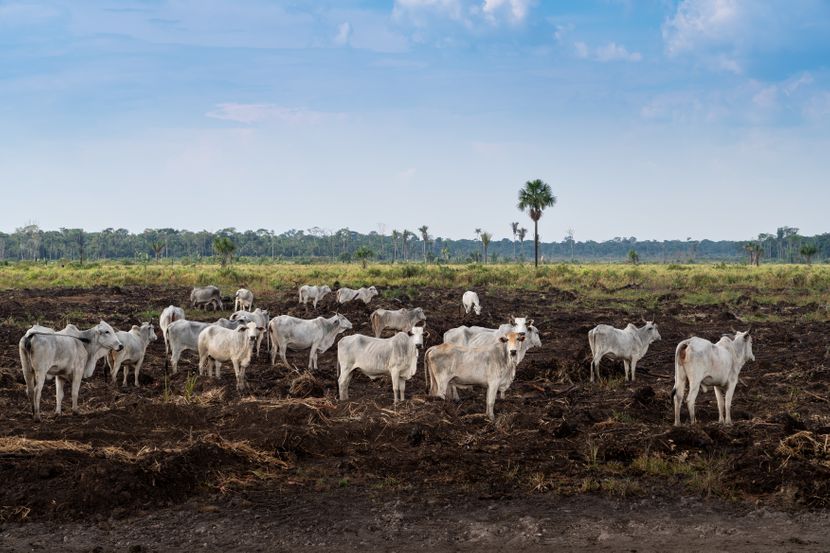
- Cattle Ranching: This is the undisputed leading cause of deforestation in the Amazon, responsible for approximately 80% of deforested areas. Trees are cleared to create pastures for cattle, with the ultimate goal of exporting beef.
- Soy Cultivation (for Animal Feed): While soy farming causes less deforestation than ranching, it is still a significant factor. However, the crucial detail is what this soy is grown for. It is primarily used to produce high-protein feed for livestock—pigs, poultry, and cattle—on industrial farms worldwide.
- Other Factors: Illegal logging, infrastructure development, mining, and human-induced fires.
Numbers Don't Lie: Where Does the World's Soy Go?
When critics point to massive soy plantations in the Amazon, they often omit the fact that these crops are not destined for tofu or soy milk.
- Over 75% of the world's soy production (some sources estimate over 80%) is processed into animal feed for the meat, dairy, and egg industries.
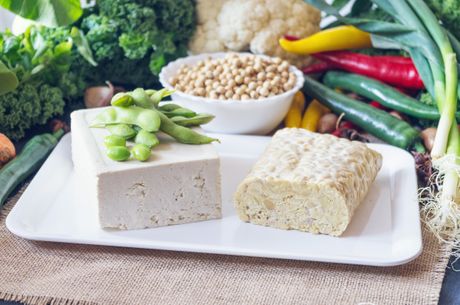
- Less than 10% of global soy is used directly for human food (tofu, soy milk, tempeh, edamame).
- The remainder is used for industrial purposes, such as biofuels and vegetable oil.
The conclusion is clear: The massive demand for soy that drives deforestation is a direct consequence of the global appetite for animal products. To be blunt: if you eat conventionally raised meat, dairy, and eggs, you are indirectly contributing to rapid forest destruction. Conversely, by choosing plant-based alternatives like tofu, you reduce your environmental footprint by consuming protein directly, rather than filtering it through an animal first.
Where Is "Tofu Soy" Actually Grown?
Soy intended for human consumption usually comes from different supply chains than feed soy.
The main producers of food-grade soy are the USA, Canada, parts of Asia, and Europe. This soy is often subject to stricter regulations, requiring it to be non-GMO and sustainably sourced. For example, many European countries have strict bans on cultivating GMO soy, whereas the import of GMO soy for animal feed is largely permitted.
Environmental Face-Off: Tofu vs. Meat
When looking at the bigger picture, replacing meat with plant-based alternatives is one of the most effective ways to lower your environmental impact:
- Land Use Efficiency: Plant protein production requires significantly less land than animal protein production. Animal agriculture requires vast land for both grazing and growing feed crops.
- Carbon Footprint: Animal farming is a major contributor to global greenhouse gas emissions. Tofu production has a drastically lower carbon footprint per gram of protein compared to beef or dairy.
- Water Consumption: In general, growing crops for direct human consumption uses far less water than raising livestock.
Why Does This Myth Persist?
Blaming tofu for Amazon deforestation is a classic deflection tactic. It spreads misinformation to downplay the impact of the real drivers of environmental destruction.
Choosing plant-based options like tofu, soy milk, or tempeh supports a more efficient food system—one that uses less land and water while reducing pressure on vital ecosystems. The point is not to blame individuals, but to understand systemic issues so we can make better choices.
So, go ahead and enjoy your tofu with confidence, knowing that you are part of the solution, not the problem!
Related news

Chers Youthful Secret: How a Plant-Based Diet Helps the Star Stay Energetic at Nearly 80
Meet Akashinga: The All-Women Anti-Poaching Unit Protecting Zimbabwes Elephants and Communities
Nearly 80% of Amazon Deforestation Linked to Cattle Ranching, Not Tofu or Plant-Based Foods
The hidden trauma of meat industry workers: Emotional numbness, PTSD, and substance abuse
Plant Based House reserves all rights to the content. For downloading content, see instructions on the Terms of Use page.