Debunking Soy Myths: What Decades of Research Really Say About Hormones, Cancer, and Nutrition

Summary
- Soy does not disrupt hormones it can balance hormonal effects and does not increase estrogen in men.
- Most soy used for human consumption is non-GMO, especially in Europe, where regulations are strict.
- Traditional soy products like tofu, tempeh, and miso are minimally processed and nutritious.
- Regular soy consumption is linked to lower rates of breast, prostate, and colon cancer.
- Soy is a complete protein, rich in essential nutrients and beneficial for heart and bone health.
Soy often suffers from a bad reputation, with many avoiding it due to outdated myths - claims that it "disrupts hormones," is "bad for men," or is "too processed." But what is the actual truth? Is soy a nutritional miracle or a hormonal disruption in the making? Let’s take a closer look at this ancient plant that has sustained civilizations for centuries.
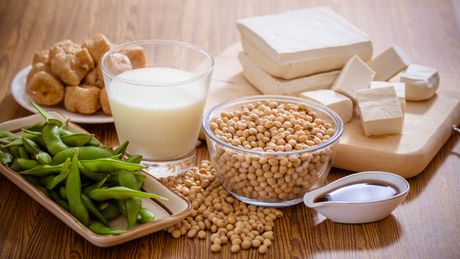
The Four Main Myths About Soy
- "Soy disrupts hormones" This is the most persistent myth. Soy contains isoflavones, plant compounds known as phytoestrogens due to their chemical similarity to human estrogen. However, human estrogen binds equally to both types of receptors (α and β), while soy isoflavones prefer beta receptors. This allows soy to actually balance hormonal effects rather than cause problems. In men, large meta-analyses show that soy does not increase estrogen or decrease testosterone. Paradoxically, dairy products contain real animal estrogens - yet soy is often the only one under suspicion.
- "Soy is GMO and full of pesticides" While it is true that a large percentage of global soy is genetically modified, over 70% of that soy is used for animal feed, not human consumption. Soy used for products like tofu, tempeh, and soy milk often follows much stricter non-GMO standards, especially in Europe where regulations are highly rigorous.
- "Soy is too processed" This depends on the form. Traditional products like tofu, tempeh, miso, and soy milk are minimally processed and highly nutritious. On the other hand, isolated soy proteins used in supplements and industrial meat substitutes are highly processed and should be consumed in moderation. The goal is to choose whole and fermented forms.
- "Soy causes cancer" This is perhaps the most harmful myth. Population studies consistently show that people who regularly eat traditional soy products have lower rates of breast, prostate, and colon cancer. In fact, breast cancer survivors who consume soy often show lower risks of recurrence and longer lifespans.
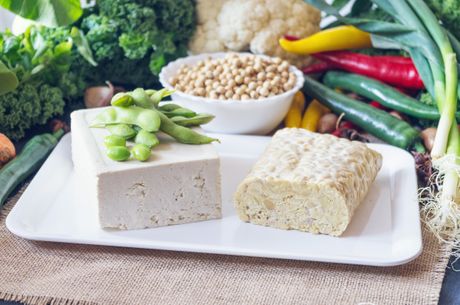
Nutritional Profile and Longevity
Soy is unique among plants for being a complete protein source, meaning it contains all essential amino acids. It is particularly rich in leucine, which is crucial for building and maintaining muscle mass. Beyond protein, soy offers:
- Healthy fats, including omega-3 ALA.
- Fiber that nourishes the gut microbiome.
- Essential minerals: Calcium, iron, zinc, magnesium, and folate.
- Isoflavones that support heart and bone health.
Regular consumption of soy has been shown to lower "bad" LDL cholesterol and improve blood vessel function. People who eat tofu at least once a week have an 18% lower risk of heart disease.
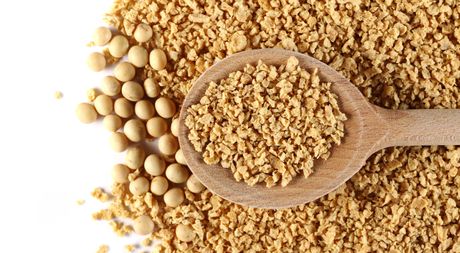
Soy and the Environment
Soy is often blamed for deforestation, but the real driver is the livestock industry. Since the vast majority of soy is grown for animal feed, moving toward direct human consumption of soy is actually one of the most sustainable protein choices for the planet. As a legume, soy naturally enriches the soil with nitrogen, reducing the need for chemical fertilizers.
Simple Ways to Enjoy Soy Every Day
- Crispy Tofu: Dice tofu, season with garlic and smoked paprika, and bake until golden. Add to vegetable bowls or wraps.
- Edamame: Boil these young beans and toss them into salads or poke bowls for a protein boost.
- Creamy Sauces: Blend silken tofu into pasta sauces for a rich, creamy texture without the dairy.
- Miso Soup: A classic fermented dish that supports gut health and warms the soul.
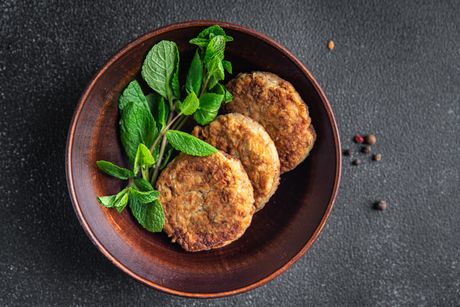
After decades of research, the science is clear: soy is a beneficial food, not a hormonal threat. It supports heart, bone, and metabolic health while being a friend to the planet. The key is to choose soy as it was meant to be - whole, traditional, and minimally processed.
Related news

Overcome insomnia naturally: The importance of magnesium and plant-based sources that are a savior
Over 8,000 Polyphenols: How These Plant Nutrients May Hold the Key to Lifelong Health and Vitality
Up to Four Cups a Day: Coffee Linked to Lower Heart Disease and Stroke Risk in Over 1.6 Million People
Want to cut your cardiovascular risk? Aim for at least 50% of your daily protein from plant sources
Plant Based House reserves all rights to the content. For downloading content, see instructions on the Terms of Use page.