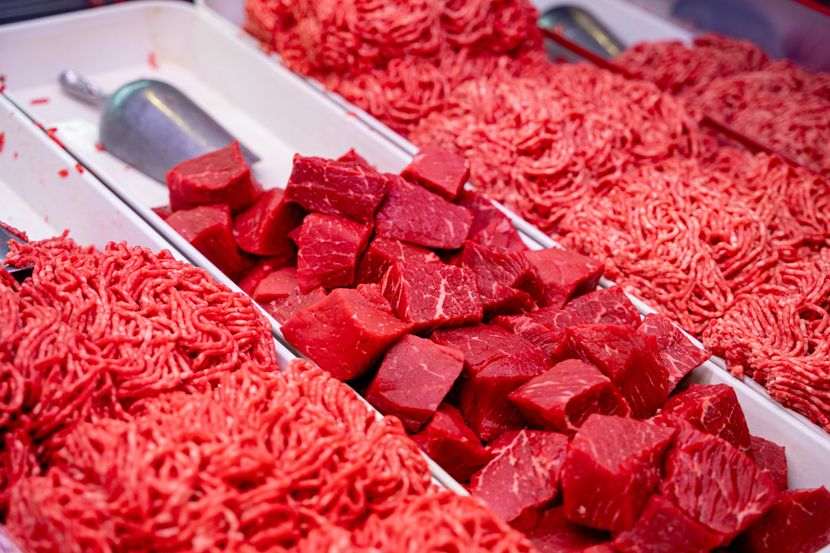
Red and processed meats linked to chronic inflammation: What science reveals about your daily diet choices

Summary
- Animal proteins, especially red and processed meats, can contribute to chronic inflammation, a major trigger for chronic diseases.
- Chronic inflammation results from the immune systems constant activation due to low-intensity triggers, leading to tissue damage.
- Consuming red and processed meats increases inflammatory markers like CRP, IL-6, and TNF-alpha.
- Plant proteins are associated with lower levels of inflammatory markers and offer benefits like fiber, antioxidants, and no TMAO or LPS.
- Individuals report varied reactions to meat, with some experiencing improvement in symptoms after reducing or eliminating certain meats.
In many cultures, meat is seen as the foundation of a healthy diet-especially "lean" options like chicken or fish. Those who exercise often believe that animal protein is the only way to build muscle, with many influencers promoting eggs and meat as the primary sources of vitality.
However, a growing body of scientific evidence shows that animal proteins, particularly those from red and processed meats, can contribute to chronic inflammation. Modern science now considers this "silent fire" the primary trigger for most contemporary chronic diseases.
What is Chronic Inflammation and Why is it Dangerous?
Inflammation is the body’s natural defense. When you get a cut or a cold, the body initiates an inflammatory process to heal itself. Once the danger passes, the immune system calms down.
But when the body is constantly exposed to low-intensity triggers, the "calming phase" never occurs. The immune system remains in a state of constant, mild activation. Scientists use the term "cytokine drizzle" to describe this - a mild but persistent production of inflammatory molecules (cytokines) as the body attempts to deal with "silent" internal problems.
Over time, this process exhausts the body and damages healthy tissues. More than half of all global deaths are now associated with chronic inflammatory diseases, including heart disease, type 2 diabetes, stroke, and autoimmune conditions.

How Animal Proteins Fuel the "Fire"
Studies show that consuming red and processed meats increases levels of inflammatory markers like CRP (C-reactive protein), IL-6, and TNF-alpha. Here are the key mechanisms:
- Saturated Fats and the Microbiome: Animal products are high in saturated fats that can disrupt the gut microbiome. This imbalance can lead to a "leaky" intestinal barrier, allowing endotoxins (LPS) to enter the bloodstream and trigger an immune response.
- "Heme" Iron and Oxidative Stress: The iron in red meat (heme iron) is easily absorbed, but in excess, it promotes the formation of free radicals and oxidative stress, worsening inflammation.
- TMAO (Trimethylamine N-oxide): Bacteria in the gut of heavy meat and egg eaters produce TMAO, a compound strongly associated with atherosclerosis and heart disease.
- HCA (Heterocyclic Amines): When meat is grilled or fried at high temperatures, HCAs are formed. These compounds damage DNA and promote inflammatory processes.
- LPS (Endotoxins): Even cooked meat can contain bacterial fragments that activate the immune response upon entering the blood.
What people are experiencing with meat and inflammation
In online discussions about inflammation, many people describe highly individual reactions to animal products. In one Reddit thread, a user shared that removing beef and pork significantly improved their symptoms, saying they“feel so much better now without” certain meats. Others report more subtle but noticeable effects, such as bloating or discomfort specifically after eating red meat, suggesting a personal sensitivity rather than a universal rule. At the same time, discussions highlight that responses vary widely - some people tolerate meat well, while others see improvements only after reducing or eliminating it. This reinforces a key takeaway echoed by both science and lived experience: inflammation is not just about one food, but about overall patterns and individual biology.

Plant Proteins: The Anti-Inflammatory Solution
While fish contains beneficial omega-3 fatty acids, research shows that individuals who consume more plant proteins have lower levels of inflammatory markers. The advantage of plant proteins lies in their "packaging":
- Fiber: Feeds beneficial gut bacteria that regulate the immune system.
- Antioxidants and Phytonutrients: Actively neutralize free radicals.
- Zero TMAO and LPS: Plants do not trigger the formation of these inflammatory markers.
Simple Ways to Incorporate Plant Proteins
Switching to plant-based options doesn't have to be difficult:
- Lentil and Sweet Potato Soup: Full of fiber and protein. Add turmeric for extra anti-inflammatory benefits.
- Hummus and Whole Grain Bread: A perfect blend of protein, healthy fats, and fiber for the microbiome.
- Tofu Stir-fry: A fantastic source of protein and calcium that pairs perfectly with ginger and vegetables.
- Protein Oatmeal: Top with flaxseeds, peanut butter, and blueberries for omega-3s and antioxidants.
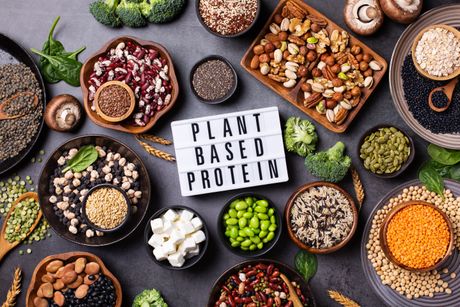
You don’t have to eliminate animal proteins entirely, but excessive consumption - especially of red and processed meats - acts like "fuel for the fire" of inflammatory processes. Plant proteins do more than just provide nutrition; they actively calm the immune system and restore balance. Next time you plan a meal, consider choosing beans over a burger or tofu over chicken. Your immune system will thank you.
Related news

Are Lectins Really Dangerous? Experts Dispel Myths and Reveal Surprising Health Benefits of Beans
How Sleep Acts as the Brains Washing Machine-And Why Missing It May Be Deadly, Says Dr. Walker
Cancer Can Take Decades to Develop-Why Your Daily Habits Matter More Than You Think
This tea is considered the best drink against insulin resistance: Here's why
Plant Based House reserves all rights to the content. For downloading content, see instructions on the Terms of Use page.
Latest news from category

Red and processed meats linked to chronic inflammation: What science reveals about your daily diet choices
Are Lectins Really Dangerous? Experts Dispel Myths and Reveal Surprising Health Benefits of Beans