
Overcome insomnia naturally: The importance of magnesium and plant-based sources that are a savior

Summary
- Magnesium deficiency affects sleep quality and duration by impacting neurotransmitter regulation, stress reduction, muscle relaxation, and melatonin synthesis.
- Low magnesium levels can lead to disrupted sleep patterns, especially in older adults, and contribute to chronic inflammation and oxidative stress.
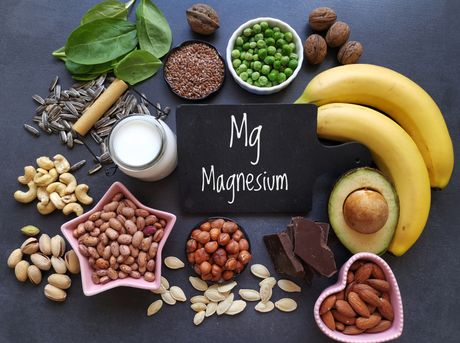
- Recommended magnesium-rich foods include leafy greens, nuts, seeds, legumes, whole grains, fruits, vegetables, and dark chocolate.
Millions struggle with sleep, but one often-overlooked solution may lie in a simple mineral: magnesium. Research points to a strong connection between magnesium deficiency and both sleep quality and duration, highlighting the importance of this nutrient for overall health.
How Magnesium Affects Sleep Patterns
Magnesium supports several key processes related to relaxation and the sleep cycle:
- Neurotransmitter Regulation: It aids the regulation of GABA, a neurotransmitter essential for calming the nervous system. When magnesium is lacking, GABA activity drops, making it difficult to fall and stay asleep.
- Stress Reduction: This mineral helps soothe the nervous system by reducing cortisol, the hormone associated with stress.
- Muscle Relaxation: Magnesium is critical for muscle function; a deficiency can result in cramps, particularly in the legs, which can interrupt sleep cycles.
- Melatonin Synthesis: It is involved in the production of melatonin, the hormone that regulates the sleep-wake cycle. Inadequate intake can lead to irregular or insufficient sleep.
Wider Health Impacts and At-Risk Groups
Research indicates that low magnesium levels can shorten sleep duration or disrupt the body’s internal clock. Older adults are especially susceptible to deficiency due to both reduced consumption and decreased absorption.
Furthermore, magnesium possesses anti-inflammatory and antioxidant properties. A shortage can allow chronic inflammation and oxidative stress to persist, both of which are linked to poor sleep. Since it is also vital for heart health, deficiency can contribute to sleep disturbances through irregular heart rhythms and blood pressure fluctuations.
Why Plants Are the Best Magnesium Source
The most concentrated sources of this mineral are found in plant foods. Magnesium is as central to plant life as iron is to humans, residing at the heart of chlorophyll just as iron sits at the core of hemoglobin. Both elements are indispensable for energy production: photosynthesis in plants and cellular respiration in humans.

Top Plant-Based Sources of Magnesium
Recommended magnesium intake ranges from 320 to 420 mg daily, depending on age and gender. Excellent sources include:
- Leafy Greens: Spinach and kale.
- Nuts and Seeds: Almonds, cashews, and pumpkin seeds.
- Legumes: Beans, lentils, and chickpeas.
- Whole Grains: Quinoa, oats, and whole-wheat products.
- Fruits and Vegetables: Bananas, avocados, broccoli, and artichokes.
- Dark Chocolate: (at least 70% cocoa).
Recipe: Chickpea and Baby Spinach Salad with Roasted Almonds
This magnesium-rich meal is a practical way to boost daily intake.
Ingredients:
- 2-3 handfuls of baby spinach
- 1 can of cooked chickpeas (rinsed)
- 7-8 cherry tomatoes (halved)
- 1 small cucumber (diced)
- 30 g roasted almonds (lightly crushed)
- Dressing: Olive oil, lemon juice, 1/2 tsp oregano, salt, and pepper.
Preparation:
- Combine the chickpeas, spinach, tomatoes, and cucumber in a large bowl. In a separate container, whisk the dressing ingredients together. Pour over the salad, toss well, and top with the crushed roasted almonds.
By prioritizing magnesium-rich plant foods like leafy greens, nuts, and legumes, individuals can naturally support GABA regulation and melatonin production, creating a foundation for deeper and more restorative sleep.
Related news

Over 8,000 Polyphenols: How These Plant Nutrients May Hold the Key to Lifelong Health and Vitality
Vegan and vegetarian diets linked to 36 extra minutes of sleep and nearly 90 percent excellent sleep ratings
Up to Four Cups a Day: Coffee Linked to Lower Heart Disease and Stroke Risk in Over 1.6 Million People
Want to cut your cardiovascular risk? Aim for at least 50% of your daily protein from plant sources
Plant Based House reserves all rights to the content. For downloading content, see instructions on the Terms of Use page.