Over 8,000 Polyphenols: How These Plant Nutrients May Hold the Key to Lifelong Health and Vitality

Summary
- Polyphenols are a class of over 8,000 bioactive substances found in plants, known for their health benefits.
- They have antioxidant and anti-inflammatory properties, protecting against chronic diseases like heart disease, diabetes, and cancer.
- Polyphenols support heart health by thinning blood, improving blood flow, and lowering cholesterol.
- They aid in diabetes management by enhancing insulin production and sensitivity.
- Polyphenols protect the brain, improving memory and cognitive function, and act as prebiotics for gut health.
You know those rare people whose skin glows, and their step is always light, regardless of age? Those who consistently radiate health, vitality, and a good mood? It's highly possible they all share the exact same secret: a diet rich in beneficial polyphenols.
Polyphenols are not just one single nutrient, but an entire class of bioactive substances—over 8,000 have been identified to date! We find them exclusively in plants, which primarily synthesize them as a defense mechanism against pathogens, attackers, and even UV radiation. You might have already heard of some famous polyphenols, such as resveratrol from red grapes, EGCG from green tea, or curcumin found in turmeric root.
Polyphenols significantly contribute to the taste and color of plant foods, but they are also credited with the profound health benefits people experience when adopting a plant-heavy diet. These powerful substances have quickly taken over the health and wellness world, backed by numerous scientific studies.

5 Powerful Ways Polyphenols Protect Your Body
1. They Fight Inflammation and Oxidative Stress
Polyphenols are renowned for their powerful antioxidant and anti-inflammatory properties. By neutralizing free radicals and lowering inflammatory biomarkers—such as C-reactive protein and interleukin-6—polyphenolic substances help protect us from a cascade of chronic diseases, including heart disease, type 2 diabetes, certain cancers, and neurodegenerative conditions.
2. They Play a Key Role in Cancer Prevention
Research indicates that polyphenols fight cancer cells on multiple fronts. They can slow cellular division, block tumor spread, cut off the tumor's blood supply by preventing angiogenesis (the formation of new blood vessels), and drastically reduce systemic inflammation.
3. They Are True "Workhorses" for Heart Health
When it comes to cardiovascular health, polyphenols operate on multiple levels. They combat chronic inflammation and assist in cellular energy production. Some polyphenols naturally thin the blood, reducing the risk of dangerous clots, while others (like flavonoids) relax blood vessels, promoting better blood flow and lowering blood pressure. Furthermore, specific polyphenols have been shown to actively lower blood cholesterol levels.
4. They Are Powerful Allies Against Diabetes
Polyphenols can help maintain normal blood sugar levels. They improve the body's ability to produce insulin while simultaneously increasing cellular sensitivity to it. Crucially, they protect the pancreas—safeguarding its cells from damage caused by high blood sugar, stimulating new growth, and slowing the decay of these vital cells.
5. They Protect and Rejuvenate the Brain
Polyphenols easily cross the blood-brain barrier, where they neutralize harmful free radicals and excess metal ions (like copper and iron) that can damage brain cells. They also aid the brain's natural detoxification process, clearing out damaged proteins—a critical step in preventing neurodegenerative diseases. Recent research shows that a polyphenol-rich diet can significantly improve memory, focus, and thinking speed in older adults with mild cognitive impairment. It appears polyphenols not only slow age-related brain decline but actively encourage the growth of new neurons.
- Bonus Benefit: Recent findings suggest that some polyphenols act as prebiotics, feeding our good gut bacteria. By strengthening the microbiome, they directly boost the power of our immune system.
How to Eat More Polyphenols Every Day
The sad truth is that the standard modern diet is severely lacking in polyphenols. Most people consume them only in trace amounts, primarily through coffee, tea, or wine. Today's reliance on ultra-processed food leaves us devoid of these crucial nutrients, shortening our healthspan and leaving us vulnerable to chronic diseases.
The good news? Enriching your diet with polyphenols is incredibly easy. To navigate the grocery store, simply follow the colors. Unprocessed plant foods with bright, deep, or dark colors are almost always the richest in polyphenols.
To maximize your intake, ensure you consume foods from these categories daily:
- Berries (especially blueberries, blackberries, and strawberries)
- Beverages (cocoa, coffee, green tea, peppermint tea)
- Spices and Herbs (cloves, turmeric, oregano)
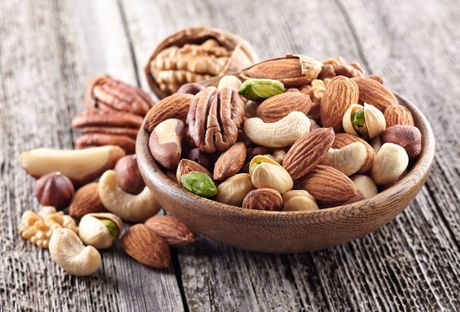
- Nuts and Seeds (walnuts, flaxseeds, pecans)
- Brightly Colored Fruits and Vegetables (grapes, apples, artichokes, citrus fruits)
- Legumes and Whole Grains (black beans, soy, quinoa)

The Ultimate Polyphenol Powerhouses: If you want the highest concentration of polyphenols, prioritize blueberries, dark grapes, high-quality coffee, green tea, artichokes, olives, extra virgin olive oil, raw cocoa, dark chocolate, and walnuts.
Related news

Debunking Soy Myths: What Decades of Research Really Say About Hormones, Cancer, and Nutrition
Olive oil and walnuts strengthen special immune cells that destroy tumors: New discovery
Are Lectins Really Dangerous? Experts Dispel Myths and Reveal Surprising Health Benefits of Beans
How Sleep Acts as the Brains Washing Machine-And Why Missing It May Be Deadly, Says Dr. Walker
Plant Based House reserves all rights to the content. For downloading content, see instructions on the Terms of Use page.