How Beans, Lentils, and Legumes Can Help Reverse Insulin Resistance and Boost Gut Health Naturally

Summary
- Insulin resistance can be reversed through lifestyle changes like increased physical activity and a balanced diet including whole grains, vegetables, fruits, and lean proteins.
- Plant-based proteins, particularly legumes, help combat insulin resistance by stabilizing blood sugar levels and improving insulin sensitivity.
- Online discussions highlight improved blood sugar control with plant-based diets, though individual responses to legumes can vary.
Year after year, an increasing number of people develop insulin resistance—a condition in which cells lose sensitivity to insulin, preventing them from effectively absorbing glucose from the blood. This forces the pancreas to produce excessive amounts of insulin, potentially leading to prediabetes and type 2 diabetes.
The good news is that insulin resistance can often be reversed through positive lifestyle changes, such as increased physical activity and a nutritionally balanced diet. However, a "balanced diet" does not mean "a little bit of everything" or "everything in moderation." Instead, it requires including sufficient quantities of all the nutrients necessary for optimal body function: whole grains, vegetables, fruits, and lean proteins.
The Advantages of Plant-Based Proteins
When it comes to combating insulin resistance, plant-based protein sources offer multiple advantages over animal products, with legumes standing out as nutritional champions.
Legumes help slow digestion and stabilize blood sugar levels. Unlike animal proteins, they are rich in fiber and very low in saturated fats. This is crucial because high levels of saturated fats are linked to the development of insulin resistance and chronic inflammation. Furthermore, the high fiber content nourishes beneficial gut bacteria, which produce short-chain fatty acids (SCFAs). These fatty acids have been found to improve insulin sensitivity, boost glucose metabolism, and naturally regulate hunger.
5 Plant-Based Protein Champions for Combating Insulin Resistance
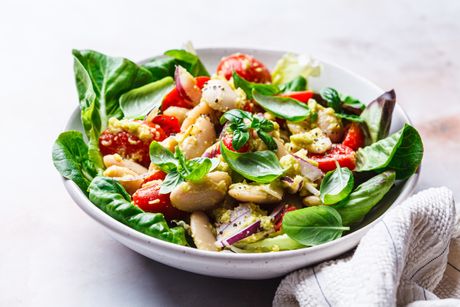
- Beans
100g of dry beans contains about 24g of protein and 25g of fiber. Cooked beans have a low glycemic index and are rich in magnesium, a mineral vital for glucose metabolism.
Usage: Beyond traditional bean soup, they are excellent in plant-based chili, burritos, veggie burgers, or salads. They also make a great base for nutritious creamy spreads combined with seeds and tahini.
- Lentils
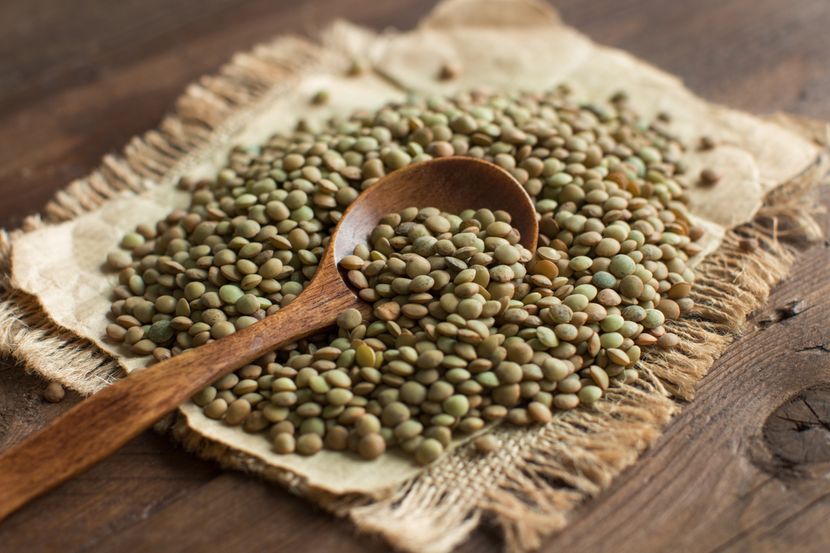
Lentils are incredibly versatile, providing up to 25g of protein and 11g of fiber per 100g.
Usage: Perfect for stews, meal salads, or as a meat substitute in "veggie Bolognese," lasagna, and tacos.
- Split Peas
These dried, halved peas contain 24g of protein and 25g of fiber per 100g. They are rich in resistant starch, which reduces the glycemic load of a meal.
Usage: A creamy split pea soup with carrots and leeks is the ultimate comfort food. They also serve as an excellent alternative to chickpeas for making a unique homemade hummus.
- Chickpeas
With 20g of protein and 17g of fiber per 100g, chickpeas contain slow-digesting starches that prevent blood sugar spikes.
Usage: Ideal for Indian-style dals, curries, and Mediterranean salads. Interestingly, they are increasingly used in sweet recipes, such as vegan protein cookies or healthy hazelnut-cocoa spreads.
- Edamame
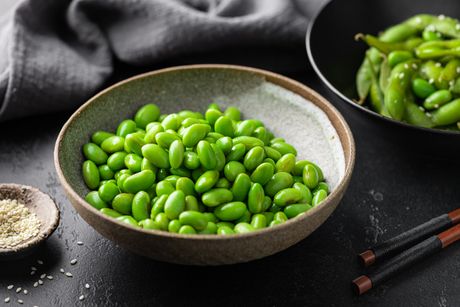
These young soybeans contain about 12g of protein and 6g of fiber per 100g. Soy products specifically help regulate glucose metabolism and increase insulin sensitivity.
Usage: They are a vibrant addition to poke bowls, Buddha bowls, and various Asian-inspired salads.
People’s experiences from the internet
Online discussions show a mix of optimism and caution around using plant-based, legume-rich diets to address insulin resistance. Many people report improved blood sugar control and insulin sensitivity after focusing on whole plant foods and reducing saturated fat, especially beans and lentils.
At the same time, some commenters express confusion due to conflicting dietary advice—with plant-based, low-carb, and keto approaches all promoted in different communities.
Others note that legumes can affect blood sugar differently from person to person, emphasizing the value of self-monitoring and individual experimentation.
Legumes are a powerful weapon against insulin resistance, but their benefits go far beyond that. Their versatility, affordability, and ease of preparation make them an essential staple for anyone looking to improve their health while letting their culinary imagination run wild.
Related news

Are Lectins Really Dangerous? Experts Dispel Myths and Reveal Surprising Health Benefits of Beans
Why Your Morning Blood Sugar May Be High Even With a Perfect Diet: The Surprising Role of Sleep
This tea is considered the best drink against insulin resistance: Here's why
Current effects of alcohol on the body: Doctor's tips for protecting digestion and immunity
Plant Based House reserves all rights to the content. For downloading content, see instructions on the Terms of Use page.