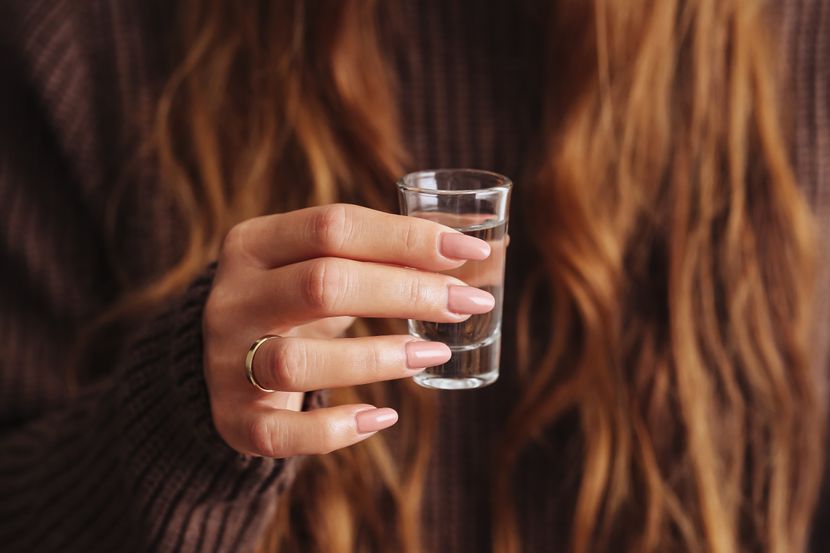
Current effects of alcohol on the body: Doctor's tips for protecting digestion and immunity

Summary
- Alcohol intake can significantly impact gut microbiome balance, even in moderate amounts.
- Alcohol consumption leads to an immediate increase in bacterial endotoxins, causing inflammation.
- Strategies to mitigate damage include hydration, eating fiber-rich foods, choosing red wine, taking alcohol-free breaks, and consuming whole plants.
When discussing digestive health, the conversation usually focuses on fiber, probiotics, and fermented foods. However, one critical factor is often overlooked: alcohol intake. While a glass of wine or a weekend cocktail is woven into social habits, even moderate consumption can have an immediate and significant impact on the delicate balance of the gut microbiome.
The Microbiome: Your Internal Ecosystem
The microbiome is a vast ecosystem of trillions of bacteria, fungi, and microbes inhabiting the digestive system, particularly the colon. These organisms are responsible for:
- Regulating the immune system.
- Balancing hormones and influencing mood.
- Digesting fiber and producing essential short-chain fatty acids.
When this community falls out of balance - a state known as dysbiosis - it can lead to bloating, weakened immunity, unexplained weight gain, and chronic inflammatory processes.
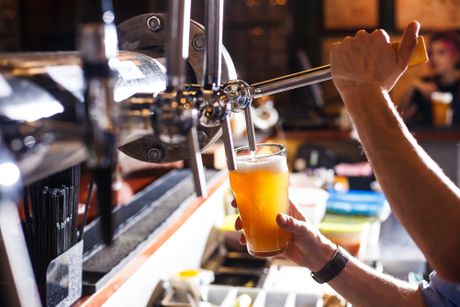
What Happens After Just One Drink?
Renowned gastroenterologist and author of Fiber Fueled, Dr. Will Bulsiewicz ("Dr. B"), highlights that the negative changes caused by alcohol occur much faster than most people realize.
Key findings from scientific studies include:
- Immediate Endotoxin Surge: Research has shown that just 30 minutes after alcohol consumption, levels of bacterial endotoxins in the blood increase. These toxins, released by harmful bacteria, can damage the intestinal lining and trigger systemic inflammation.
- Reduced Microbial Diversity: Regular, even occasional, alcohol use is associated with a decrease in "good guys" that help ferment fiber and protect the gut wall.
- Intestinal Stimulation: Alcohol can disrupt bowel regularity and exacerbate symptoms for those with IBS (Irritable Bowel Syndrome) or digestive sensitivities.
- Chronic Low-Grade Inflammation: An imbalanced microbiome contributed to by alcohol can keep the body in a state of chronic inflammation, linked to autoimmune diseases and mood disorders.
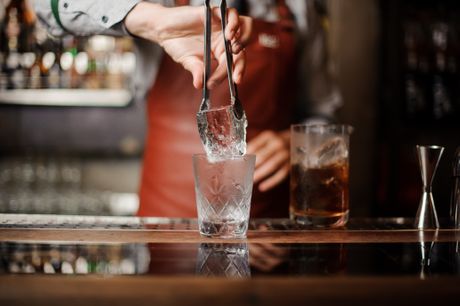
Mitigating the Damage: Tips from Dr. Bulsiewicz
Dr. Bulsiewicz emphasizes that while total abstinence is ideal for the microbiome, moderation and strategy are key for those who choose to include alcohol in their diet.
Strategies to protect your "good bacteria":
- Prioritize Hydration: Always drink water between alcoholic beverages to flush the system.
- Never Drink on an Empty Stomach: Consume fiber-rich foods before alcohol to slow absorption and provide a buffer for the gut lining.
- Choose Wisely: Opt for red wine, which contains polyphenols, rather than sugary cocktails that further feed harmful bacteria.
- Implement Alcohol-Free Periods: Take breaks for a week or a month to allow the microbiome time to regenerate and recover.
- Support with Whole Plants: Counteract the negative effects by doubling down on legumes, leafy greens, and whole grains.

Because alcohol can trigger the release of inflammatory endotoxins within 30 minutes, protecting the microbiome requires a strategy of strict moderation, consistent hydration, and a high-fiber plant-based diet to support gut wall integrity.
Related news

Stanford scientist reverses his biological age by a decade after three years living in the woods
This tea is considered the best drink against insulin resistance: Here's why
Volumetrics Diet Reveals You Can Lose Weight by Eating More: The Science Behind Feeling Full Longer
Study links juice-only diets to increased harmful gut bacteria and potential cognitive decline
Plant Based House reserves all rights to the content. For downloading content, see instructions on the Terms of Use page.