Are Lectins Really Dangerous? Experts Dispel Myths and Reveal Surprising Health Benefits of Beans

Summary
- Lectins are proteins that bind to carbohydrates and are found in humans, plants, fungi, and microbes.
- Foods high in lectins include legumes, grains, vegetables, nuts, fruits, and dairy.
- Recent research shows lectins have protective properties and potential anti-cancer effects.
- Diets rich in lectin-containing foods are linked to weight loss, lower cholesterol, improved insulin sensitivity, and greater longevity.
- Proper preparation methods like soaking and cooking reduce lectin-related digestive discomfort.
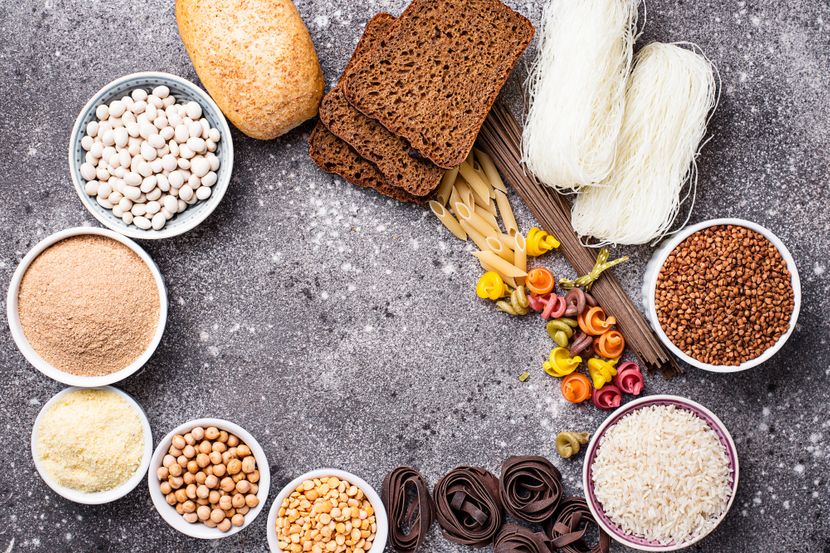
Lectins form a large family of protein compounds known for their ability to attach to carbohydrates. These proteins are present throughout the natural world, including in humans, plants, fungi, and microbes. In our diet, we encounter lectins in a wide range of healthy foods:
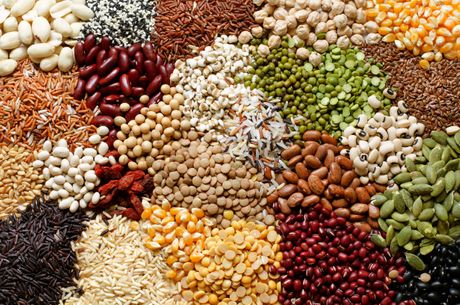
- Legumes (beans, lentils, peanuts, and soy)
- Grains (wheat and pseudo-grains)
- Vegetables (tomatoes, potatoes, and eggplant)
- Nuts, fruits, and even dairy.
Myths vs. Scientific Realities
In recent years, sensationalized claims on social media have suggested that lectins cause inflammation and harm the gut lining. These fears trace back to laboratory experiments conducted in the 1970s and 1980s. However, leading researchers emphasize that laboratory results do not always reflect what happens in the human body. Today, doctors and nutritionists agree that lectins are not a health threat; in fact, recent research highlights their protective properties.
Health Benefits of Lectin-Rich Foods
Modern studies have linked lectins found in wheat, beans, soy, and bananas to potential anti-cancer effects. Population research consistently shows that a diet rich in legumes and whole grains is associated with:
- Weight loss and reduced blood pressure.
- Lower cholesterol and improved insulin sensitivity.
- Decreased inflammation throughout the body.
- A stronger gut microbiome with increased production of beneficial short-chain fatty acids (SCFAs).
- Greater longevity and a lower risk of heart disease.
To put it simply, foods with the highest lectin content are among the healthiest in the world, providing vital amounts of fiber for overall well-being.
Managing Sensitivity: Preparing Your Meals
Digestive discomfort doesn't mean lectins are "toxic." It simply means your gut needs time to adapt. To ease digestion, follow these steps:
- Soaking: Soak beans and lentils overnight. Discard the soaking water and use fresh water for cooking.
- Cooking: Heat deactivates most lectins and significantly improves digestibility.
- Gradual Introduction: Start with small portions and gradually increase your intake to let your "good bacteria" adjust.
Recipe Spotlight: Colorful Bean Burrito Bowl
This easy, nutritious dish is perfect for a vibrant lunch.
Ingredients:
- 1 cup cooked beans (black or red)
- 1 cup cooked rice (brown or basmati)
- 1 red bell pepper (diced) & 1/2 cup cooked corn (rinsed)
- 1 cup cherry tomatoes (halved) & 1/2 red onion (chopped)
- 1 avocado (diced)
- Lemon juice, olive oil, salt, pepper, and hot sauce.
- Fresh cilantro or parsley for garnish.
Preparation: Combine beans and rice in a large bowl. Add the bell pepper, corn, cherry tomatoes, and onion. Season with salt, pepper, lemon juice, and hot sauce. Drizzle with olive oil, top with avocado and herbs, and serve with crispy tortilla chips for added crunch.
Don't fall for sensationalized warnings. Eliminating entire categories of nutrient-rich foods like legumes and grains can do more harm than good. Instead, embrace these foods as irreplaceable allies for your long-term health.
Related news

Diverticulosis affects up to 70% of people by age 60-how fiber intake can make the difference
Stanford scientist reverses his biological age by a decade after three years living in the woods
This tea is considered the best drink against insulin resistance: Here's why
Volumetrics Diet Reveals You Can Lose Weight by Eating More: The Science Behind Feeling Full Longer
Plant Based House reserves all rights to the content. For downloading content, see instructions on the Terms of Use page.