Modern Diets Lack Fiber: The Overlooked Link Between Saturated Fat, Liver Health, and Cholesterol

Summary
- Diets high in meat, eggs, and dairy lack essential dietary fiber, leading to high LDL cholesterol.
- Fiber is crucial for eliminating excess cholesterol from the body.
- Saturated fats reduce liver receptors for clearing LDL, increasing cholesterol in the bloodstream.
- Dr. Greger recommends at least 20 grams of soluble fiber daily to lower cholesterol.
- Top fiber sources include oats, barley, apples, beans, and lentils.
In many modern societies, diets are heavily centered on meat, eggs, and high-fat dairy, while vegetables, legumes, and whole grains are often sidelined. This dietary imbalance leads to a critical lack of dietary fiber, which is essential for maintaining healthy cholesterol levels. The combination of high saturated fat intake and minimal fiber is a primary driver behind persistent high LDL ("bad") cholesterol.
The Critical Role of Fiber in Cholesterol Management
Cholesterol levels depend not only on what you eat but also on how your body eliminates surplus cholesterol. Fiber plays a vital role in this "cleaning" process. According to Dr. Michael Greger, even those who avoid animal fats might face high cholesterol because the body produces its own, which must be removed efficiently.
The liver generates cholesterol and sends it into the bloodstream as LDL. Specialized receptors in the liver collect excess LDL and direct it into the bile, which moves to the intestines for removal. However, for cholesterol to actually leave the body, it must bind to dietary fibers in the intestines. Without enough fiber, cholesterol is simply reabsorbed and recirculated, keeping levels dangerously high.
Saturated Fat and Liver Function
Consuming large amounts of saturated fat worsens the issue. Dr. Greger highlights that saturated fats actually decrease the number of liver receptors responsible for clearing LDL, allowing more cholesterol to stay in the bloodstream. This lingering cholesterol can deposit in artery walls, increasing the risk of inflammation and atherosclerosis.
How Much Fiber Do You Really Need?
Historically, humans consumed much larger amounts of plant-based fiber than we do today. Dr. Greger notes that our ancestors often consumed over 100 grams of fiber per day.
To effectively lower cholesterol, he advises aiming for at least 20 grams of soluble (viscous) fiber daily.
- Top Sources: Oats, barley, apples, berries, beans, lentils, chickpeas, and eggplant.
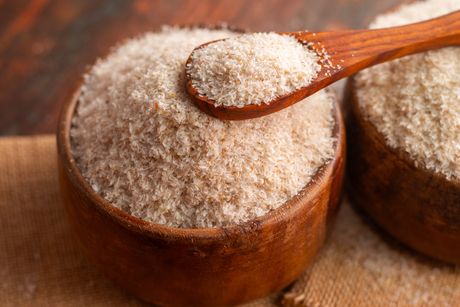
- Quick Boost: If your daily intake falls short, supplementing with one tablespoon of psyllium husks in water is a highly effective way to aid cholesterol removal.
Practical Tips for a Fiber-Rich Day
Simple meal adjustments can significantly impact your heart health:
- Breakfast: Oatmeal with plant milk, fruit, and ground flaxseed.
- Lunch: Hearty bean or lentil soups loaded with vegetables and anti-inflammatory spices like turmeric.
- Dinner: Grain salads (barley or brown rice) mixed with legumes and fresh greens.
- Sides: Swap mashed potatoes for sweet potato or bean purees.
Adjusting the balance between fiber and saturated fat is a fundamental step in protecting your heart, blood vessels, and liver. When addressing high cholesterol, choosing plant-based, fiber-rich meals is often just as important as medical intervention. The journey to a healthier heart begins with the fiber on your plate.
Related news

Are joint pain and fatigue really inevitable? The top 6 aging myths-and how to defy them
Debunking Soy Myths: What Decades of Research Really Say About Hormones, Cancer, and Nutrition
Olive oil and walnuts strengthen special immune cells that destroy tumors: New discovery
Are Lectins Really Dangerous? Experts Dispel Myths and Reveal Surprising Health Benefits of Beans
Plant Based House reserves all rights to the content. For downloading content, see instructions on the Terms of Use page.