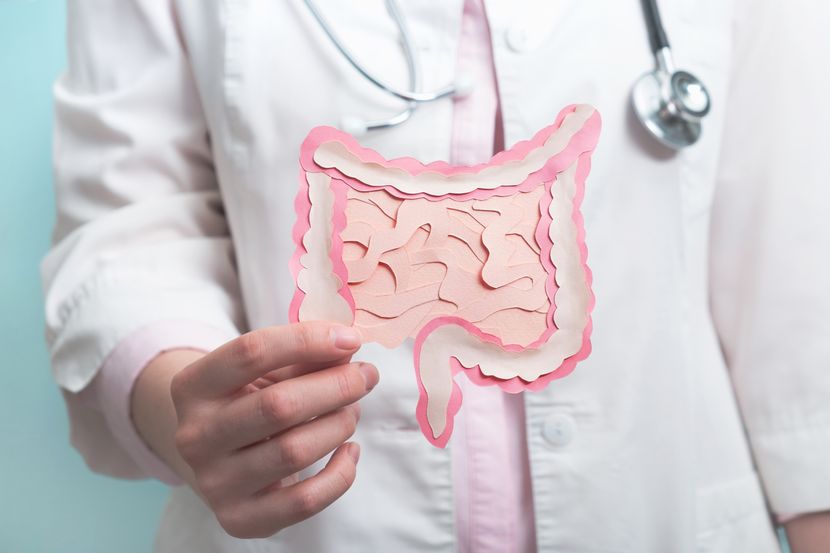
Antidepressants, Heart Drugs, and Acid Reflux Meds Can Alter Your Microbiome for Years or Decades

Summary
- Medications leave long-term "fingerprints" on gut bacteria, persisting for years.
- Antidepressants, benzodiazepines, beta-blockers, and proton pump inhibitors significantly impact the microbiome.
- Gut microbiome balance affects immunity, digestion, weight, and mood disruption can lead to health issues.
- Recovery requires a diverse, fiber-rich, plant-based diet including whole grains, legumes, prebiotic, and fermented foods.
Most people understand that antibiotics can "spoil" gut health and that a probiotic should follow therapy. However, the latest scientific findings show that the relationship between drugs and the microbiome is far more complex. It appears that the medications we take today can leave a "fingerprint" on our gut bacteria that persists for years, or even decades. Our good bacteria, it seems, have a long memory.
Medications Change the Microbiome Long-Term
Scientists from the University of Tartu published surprising findings in the journal Nature Communications (based on data from the Estonian Biobank). Their analysis of over 2,500 stool samples revealed that most common drugs - not just antibiotics - cause measurable, long-term changes in the gut.
Researchers highlighted several groups of drugs with the most significant impact:
- Antidepressants and Benzodiazepines (tranquilizers and sleep aids).
- Beta-blockers (medications for heart health and blood pressure).
- Proton pump inhibitors (acid reflux medications).
"Most microbiome studies only look at the drugs someone is currently taking, but our results show that the history of drug use is equally important," stated Dr. Oliver Aasmets, the lead author of the study. These drugs leave unique microbial "fingerprints" that persist long after the therapy ends.

Why Does This Matter for Your Health?
The gut microbiome plays a crucial role in immunity, digestion, weight regulation, and even mood. When its balance is disrupted, it can lead to bloating, food intolerances, and an increased risk of chronic diseases and depression. If non-antibiotic drugs can disrupt this balance, we cannot assume that a single probiotic pill will "fix" everything. A long-term strategy is required.
How to Nurture Your Gut After Medication
Fortunately, gut microbes can recover, but they need the right "fuel." This means consuming a diverse, plant-based diet rich in fiber. Dr. Michael Greger, a leading expert on plant-based nutrition, recommends at least 50 grams of fiber a day.
To restore your microbiome, emphasize these food groups:
- Whole Grains: Oats, barley, brown rice, and millet.
- Legumes: Beans, lentils, chickpeas, and peas.
- Prebiotic Foods: Garlic, onions, leeks, under-ripe bananas, and asparagus. These contain inulin and resistant starch that feed beneficial bacteria.
- Fermented Foods: Kimchi, miso paste, sauerkraut, and plant-based yogurts with live cultures. These provide a source of new, healthy bacteria.

A New Approach to Longevity
Science increasingly shows that health is not just a matter of genetics or "the right pill." Much depends on our daily choices—what we eat, how much we move, and how we treat our internal ecosystem.
Treating the microbiome as a living community of allies is essential for long-term wellness. By providing them with a diverse, plant-rich diet, we allow them to protect us from within, helping our bodies recover from the chemical footprint of modern medicine.
Related news

Red and processed meats linked to chronic inflammation: What science reveals about your daily diet choices
Are Lectins Really Dangerous? Experts Dispel Myths and Reveal Surprising Health Benefits of Beans
This tea is considered the best drink against insulin resistance: Here's why
Volumetrics Diet Reveals You Can Lose Weight by Eating More: The Science Behind Feeling Full Longer
Plant Based House reserves all rights to the content. For downloading content, see instructions on the Terms of Use page.