
Cancer Can Take Decades to Develop-Why Your Daily Habits Matter More Than You Think

Summary
- Cancer typically develops over decades, providing a window for lifestyle intervention.
- Mutated cells growth depends on the cellular environment created by diet and lifestyle.
- A plant-based diet and exercise can quickly make the body hostile to cancer cells.
- Healthy habits can slow cancer cell division, preventing detectable tumor growth.
- Research shows dietary changes can reduce cancer cell growth and increase cell death.
Most people associate a cancer diagnosis with something sudden and rapid. However, the biological reality is far more complex and, fortunately, filled with hope. In the vast majority of cases, cancer develops over decades (20, 30, or even 40 years) before the first symptoms appear. This slow progression provides an extraordinary window of opportunity to intervene through daily lifestyle choices.
The Two Phases of Cancer Development
1. The Initiation Phase: The First Mutation This is the moment a DNA mutation occurs in a single cell. Causes vary from environmental pollutants and radiation to processed meats and tobacco. While our immune system is often capable of repairing this damage, some mutated cells evade detection. It is important to remember that while we cannot prevent every single mutation, a healthy lifestyle strengthens the body's ability to repair DNA and maintain immune vigilance.
2. The Propagation Phase: Fueling or Starving the Growth This is the most critical stage. Whether a mutated cell remains a benign cluster or develops into a life-threatening tumor depends largely on the cellular environment we create.
- Promoters of Growth: Diets high in processed meats, refined sugars, and animal products, combined with chronic stress and lack of sleep, create an environment that encourages cancer cells to divide.
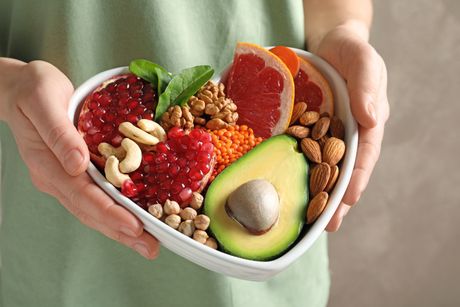
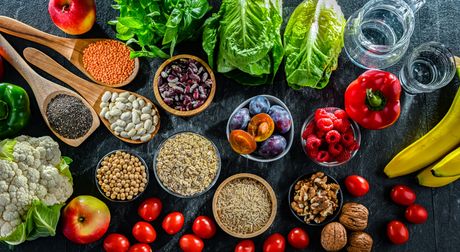
- Inhibitors of Growth: A whole-food, plant-based diet rich in fiber and antioxidants creates a biochemical environment that is inhospitable to mutated cells.
The Power of Slower Cell Division
Every time a cancer cell divides, the tumor doubles in size. It typically takes about 30 divisions to reach one billion cells—the minimum size detectable by medical imaging. However, the time between these divisions can range from 50 to 1,000 days.
For example, colorectal cancer can take up to 50 years from the first mutation to diagnosis. This suggests that healthy habits should start as early as possible. If we can slow the rate of division, we may effectively prevent the cancer from ever reaching a detectable or dangerous size within our lifetime.
Two Weeks to Change Your Blood Chemistry
Research from UCLA demonstrated how quickly the body responds to dietary changes. Women were placed on a plant-based diet combined with regular exercise for just 14 days. Researchers then exposed three types of cancer cells to their blood samples in a laboratory setting.
The results were remarkable:
- The growth rate of cancer cells decreased by 12%.
- The rate of apoptosis (programmed cell death of mutated cells) increased by 24%.
This indicates that in just two weeks, their blood became significantly more hostile to cancer cells, effectively slowing their ability to propagate.

Start Today
Many of us may already have microscopic clusters of mutated cells within our bodies. Rather than waiting for "one day" to adopt a healthier lifestyle, the evidence suggests that the best time to start creating an inhospitable environment for cancer is immediately. Every fiber-rich meal and every antioxidant-packed snack serves as a biological intervention.
Because cancer typically develops over decades, a plant-based diet rich in antioxidants acts as a continuous defense mechanism, slowing down cell division and increasing apoptosis of mutated cells.
Related news

Groundbreaking Study Shows Plant-Based Diet Cuts Mortality by Up to 24% for Chronic Disease Patients
Yo-yo dieting raises sudden cardiac death risk by 3.5 times, study finds in postmenopausal women
Why B12 Deficiency Is Common Even Among Meat-Eaters: The Role of Modern Food Production
We will reduce the risk of death by up to 17% with just one change: Study reveals about butter
Plant Based House reserves all rights to the content. For downloading content, see instructions on the Terms of Use page.