5 Types of Good Stress: How Can They Help Us Be Healthier and Longer-Lived?

Summary
- Hormesis involves small doses of stress that enhance physical and mental resilience by strengthening the bodys defense mechanisms.
- Dr. Sharon Bergquist identifies five beneficial stressors: chemical plant phytochemicals, physical exercise, thermal temperature exposure, metabolic fasting, and psychological creative challenges.
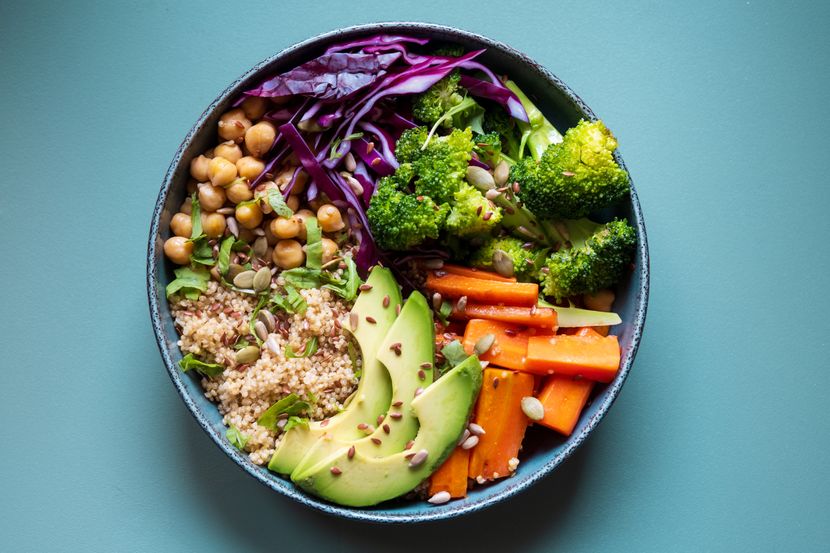
- Plant phytochemicals act as mild stressors, activating cellular defense mechanisms like DNA repair, antioxidant response, and autophagy.
- Practical recommendations include consuming cruciferous vegetables, resveratrol-rich foods, alliums, quercetin sources, and spices to activate protective pathways.
While the word "stress" usually triggers thoughts of fatigue and tension, certain types of stress in small doses act as a secret weapon for physical and mental resilience. This phenomenon, known as hormesis, occurs when a minor stressor encourages the body to strengthen its internal defense mechanisms and self-healing powers. It is essentially "training" for cells - exposing them to a manageable challenge to activate a highly effective biological response.
The Stress Paradox: Insights from Dr Sharon Bergquist
Dr. Sharon Bergquist, an internist and scientist educated at Yale and Harvard with nearly 30 years of experience in preventive medicine, explores this in her work, "The Stress Paradox." She explains that stress is anything that pushes the body out of its comfort zone. Depending on the type and dose, stress can either harm health or shape genes to build stronger defenses.
Dr. Bergquist identifies five types of beneficial stressors:
- Chemical Stress: Derived from plant phytochemicals.
- Physical Stress: From exercise.
- Thermal Stress: Exposure to cold or heat.
- Metabolic Stress: From occasional fasting.
- Psychological Stress: Challenges posed by purposeful, creative goals.
Why Plant Foods Act as "Good Stressors"
For a long time, the benefits of plant foods were attributed solely to antioxidants acting as a "fire blanket" to extinguish inflammation. However, research shows that the level of these substances in the blood is often too low for direct "firefighting." Instead, the real power lies in hormesis.
Plants produce phytochemicals-such as sulforaphane in broccoli or curcumin in turmeric-as a defense against pests and UV rays. When humans consume these plants, these mild toxins act as stressors that signal our cells to "wake up," repair damage, and prepare for future threats.
7 Specialized Cellular Defense Mechanisms
According to Dr. Bergquist, this biological "fine-tuning" triggered by phytochemicals occurs through seven evolutionarily established mechanisms:
- DNA Damage Response: Detects and repairs damaged DNA, pausing cell division during the process.
- Antioxidant Response: Activates enzymes that neutralize free radicals and eliminate toxins.
- Autophagy (Cellular Cleansing): Breaks down and recycles aged or damaged parts of cells.
- Inflammatory Response: Manages inflammation to ensure it shuts down once a threat is neutralized.
- Temperature Shock Response: Activates proteins that repair or remove damaged proteins.
- Protein Damage Response (Sirtuins): A group of enzymes linked to longevity, DNA repair, and the creation of new mitochondria.
Real-World Perspectives
Discussions in online health communities often reflect the same idea behind hormesis. In one Reddit discussion about healthy stressors, a user noted that “Netflix on the couch feels great in the moment, but at the end of the day you feel like crap,” while habits like exercise or fasting often feel uncomfortable initially but lead to better long-term outcomes. Another commenter explained that the body is “an adaptation system,” meaning that exposing it to challenging conditions can trigger beneficial biological adaptations. These experiences highlight a common observation: many habits that build resilience may feel difficult at first, but they often produce the greatest long-term rewards.
Practical Recommendations for "Good Stress"
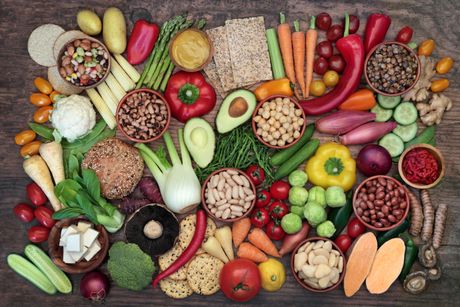
To activate these protective pathways, Dr. Bergquist recommends incorporating specific "stressors" into daily life:
- Cruciferous Vegetables: Broccoli and kale (rich in sulforaphane).
- Resveratrol-rich Foods: Grapes, berries, pistachios, and dark chocolate.
- Alliums: Garlic and various types of onions (rich in allicin).
- Quercetin Sources: Apples, onions, and capers.
- Spices and Teas: Chili peppers (capsaicin), turmeric, and green tea (EGCG).
By regularly exposing the body to hormetic stressors - such as a plant-rich diet, exercise, and occasional fasting - individuals can trigger internal cellular repair mechanisms that protect against chronic disease and premature aging.
Plant Based House reserves all rights to the content. For downloading content, see instructions on the Terms of Use page.