Did Fermented Foods Spark the Evolution of the Human Brain? Research Uncovers a Surprising Link

Summary
- The enteric nervous system ENS communicates with the brain and interacts with gut bacteria to regulate digestion, immunity, and mental health.
- An optimal microbiome, supported by prebiotics and probiotics, enhances digestion, immune function, and mood stability.
- Fermented foods like sauerkraut, kimchi, tempeh, miso, and kombucha are rich in probiotics and improve gut health.
- Recent hypotheses suggest fermented food consumption may have contributed to human brain evolution by enhancing nutrient absorption.
It's no coincidence that our gut is often called the "second brain." An impressive network of neurons manages our digestive system and communicates directly with the brain as needed. This part of the autonomic nervous system is called the enteric nervous system (ENS).
It has recently been discovered that the bacteria in our colon directly interact with the ENS and help regulate its function. Since there is a direct neural connection between the gut and the brain, it is not surprising that an optimal microbiome reflects not only in smooth digestion and a robust immune system but also in better mental health and a more stable mood.
To keep this microbiome balanced, we must provide our valuable gut bacteria with enough prebiotics (food for bacteria) and probiotics (live beneficial bacteria). Numerous studies confirm that fermented foods - which naturally contain cultures of good probiotic bacteria - can greatly help establish this balance and consequently improve overall health.

The Evolutionary Significance of Fermented Food
A fascinating recent scientific study explored the hypothesis that we might actually owe the evolution of the human brain to fermented food.
To date, the exact mechanism that prompted the rapid enlargement of the human brain throughout our species' evolution has not been definitively established. It was long believed that the discovery of fire and cooking was the primary shift that allowed our ancestors to nourish themselves more efficiently, generating the additional calories needed for a larger brain. However, archaeological findings suggest that the growth of the human brain began almost a million years before the discovery of fire, prompting scientists to look for another dietary trigger.
A newer hypothesis suggests that the consumption of fermented food provided the evolutionary advantage that allowed the human species to increase brain capacity. Fermentation makes it significantly easier to absorb macro- and micronutrients, making carbohydrates and proteins much more digestible. Scientists believe this allowed our ancestors to utilize nutritionally dense foods effortlessly, saving digestive energy that was then redirected to the needs of an expanding brain.
It is highly likely that our ancient ancestors did not intentionally ferment food. They probably had a habit of storing gathered food in makeshift "storages," periodically taking from the pile and adding fresh food on top. This practice inadvertently provided the perfect environment and time necessary for the development and stabilization of bacterial cultures required for fermentation.
5 Great Fermented Foods to Include in Your Diet
1. Sauerkraut
With a history stretching back over 2,000 years to ancient China during the construction of the Great Wall, sauerkraut later became a staple in Europe. It is rich in vitamins C and K, fiber, and antioxidants. In its raw, unpasteurized form, it is packed with lactic acid bacteria, serving as a vital probiotic for colon health. For maximum benefits, it is recommended to ferment cabbage at home, as store-bought versions are often pasteurized and significantly poorer in good bacteria. Add fresh sauerkraut to salads, sandwiches, or as a tangy topping for veggie burgers.
2. Kimchi
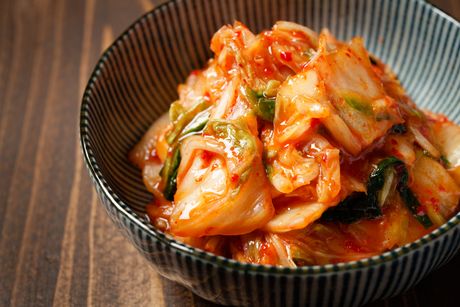
This spicy, fermented staple of Korean cuisine has gained incredible worldwide popularity. Typically made from napa cabbage and daikon radish mixed with vibrant spices, kimchi is an excellent source of vitamins A and C, antioxidants, and fiber. Making kimchi at home maximizes its probiotic content. It serves as a perfect side dish for rice and stir-fries, or as a flavorful topping for tacos and sandwiches.
3. Tempeh
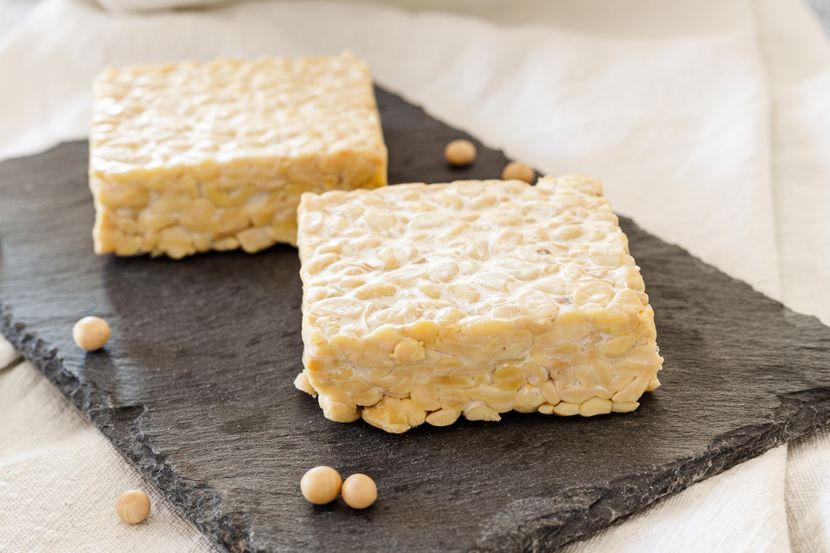
Tempeh is a traditional Indonesian food made by fermenting cooked soybeans using specific fungi. The result is a firm, hearty "cake" with a satisfying, slightly nutty flavor. Tempeh is extremely rich in protein and fiber, and the fermentation process makes these nutrients highly digestible while adding beneficial bacteria. It is fantastic when marinated in soy sauce, ginger, and garlic, then pan-fried or baked as a protein addition to salads and vegetable stir-fries. While cooking tempeh may reduce some live probiotics, it remains an outstanding food for healthy digestion.
4. Miso Paste
A traditional Japanese ingredient made by fermenting soybeans, rice, or barley, miso paste has been used for centuries to add incredibly complex flavor to soups, sauces, and marinades. The fermentation process relies on special fungi, resulting in a paste rich in probiotics. To avoid killing the beneficial bacteria with heat, simply stir miso into soups at the very end of cooking. Its rich, salty, umami flavor also makes it an excellent addition to savory salad dressings and plant-based "cheesy" spreads.
5. Kombucha
Enjoyed for over two millennia and originating in China, kombucha is a lightly effervescent fermented tea. Recently, it has exploded in global popularity due to its unique, tangy taste and notable health benefits. The digestive advantages of kombucha come from the probiotics produced during fermentation, driven by a symbiotic culture of bacteria and yeast (SCOBY). It is also a fun and rewarding beverage to brew at home if you can obtain a SCOBY starter.
Ultimately, nurturing our "second brain" is one of the most effective ways to support our overall well-being. Whether or not fermented foods were the primary catalyst for our ancestors' brain development, modern science clearly demonstrates their undeniable benefits for our digestion, immunity, and mental health today. Incorporating these ancient, probiotic-rich foods into a modern diet does not have to be complicated. By simply adding a spoonful of sauerkraut to your daily salad, enjoying a glass of kombucha, or stirring miso into your next soup, you can actively feed your microbiome, honor human evolutionary history, and reap profound physical and mental rewards.
Related news

Red and processed meats linked to chronic inflammation: What science reveals about your daily diet choices
Are Lectins Really Dangerous? Experts Dispel Myths and Reveal Surprising Health Benefits of Beans
This tea is considered the best drink against insulin resistance: Here's why
Volumetrics Diet Reveals You Can Lose Weight by Eating More: The Science Behind Feeling Full Longer
Plant Based House reserves all rights to the content. For downloading content, see instructions on the Terms of Use page.