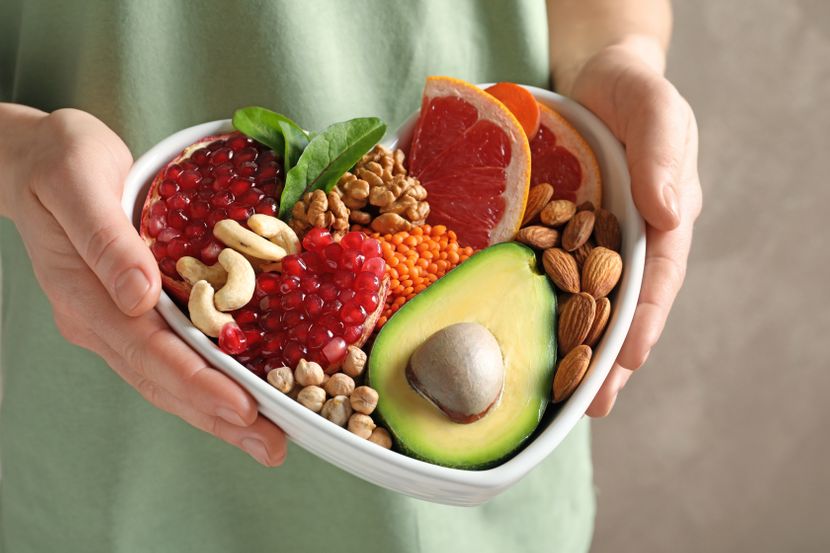
Plant-based diets proven most effective at reducing TMAO-outperforming drugs and supplements

Summary
- TMAO, produced from nutrients in animal-based foods, is linked to chronic diseases like heart disease, atherosclerosis, type 2 diabetes, chronic kidney disease, cancer, and liver disease.
- High TMAO levels correlate with increased risks of heart attacks, strokes, and cardiovascular events.
- TMAO may accelerate kidney disease progression and increase rectal cancer risk.
- Carnitine and choline, found in red meat, eggs, and dairy, drive TMAO production.
- A plant-based diet effectively reduces TMAO levels and lowers chronic disease risks.
Recent scientific findings highlight the role of TMAO—a compound produced from nutrients found in animal-based foods—in the development of various chronic health conditions. Understanding how diet influences TMAO levels can help individuals make choices that promote long-term well-being.
When people eat foods abundant in choline and carnitine, specific gut bacteria transform these nutrients into trimethylamine (TMA). This substance is absorbed and then converted by the liver into trimethylamine N-oxide (TMAO). Research has identified that TMAO is one of the main metabolic byproducts contributing to many chronic diseases, including heart disease, atherosclerosis, type 2 diabetes, chronic kidney disease, cancer, and liver disease.
Heart Disease and Blood Vessel Risks
Studies conducted at the Cleveland Clinic revealed a strong link between TMAO levels and cardiovascular events. By comparing people who experienced heart attacks and strokes with those who did not, researchers discovered that the higher the TMAO levels in patients' blood, the greater their chances were for severe heart problems. Those with the most elevated TMAO were more likely to suffer heart attacks, strokes, and even death from these conditions, suggesting that TMAO testing could serve as an additional tool to assess cardiovascular risk.
Further investigation into vascular health suggests that TMAO may facilitate the binding of LDL cholesterol to cells within arterial plaques. This interaction helps explain how cholesterol contributes to the progression of heart disease.
TMAO and Other Chronic Conditions
In the context of kidney health, patients with chronic kidney disease who had higher TMAO concentrations in their blood faced a faster progression to kidney failure and increased mortality. Similarly, findings from a major study on women's health indicated that elevated TMAO raised the risk of rectal cancer threefold, leading researchers to consider TMAO a potential indicator for colon cancer risk.
Foods That Raise TMAO
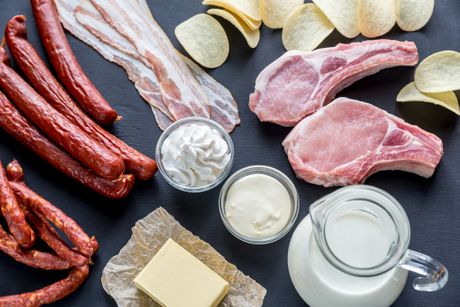
The main drivers of TMAO production are carnitine—present in red meat, certain energy drinks, and supplements—and choline, which is especially abundant in eggs, dairy products, meat, liver, poultry, fish, and seafood.
Lowering TMAO Through Dietary Choices
Adopting a diet focused on healthy plant-based foods is the most effective approach to reducing TMAO in the body. While the body can synthesize all the carnitine it needs, making dietary intake of this nutrient unnecessary, choline is essential and must be obtained from food. Fortunately, plant foods such as vegetables, legumes, fruits, and nuts provide more than enough choline without triggering high TMAO production.
According to research, concerns about excessive choline from plant sources leading to increased TMAO are unfounded. In fact, higher consumption of choline-rich vegetables, especially cruciferous ones (like those in the cabbage family), is associated with significantly longer life expectancy and lower mortality from cardiovascular diseases. One study found that eating two cups of cooked Brussels sprouts daily for three weeks actually led to a decrease in TMAO levels, possibly by slowing the liver enzyme responsible for its formation.
Despite efforts by the pharmaceutical industry to develop drugs or supplements that reduce TMAO, only a plant-based diet—or one where plant foods predominate—has proven both safe and effective for lowering these levels.
Practical Steps for Dietary Change
The key to reducing TMAO is cutting back on animal-based proteins and replacing them with plant alternatives. For example, swapping eggs for a tofu scramble at breakfast provides a flavorful, TMAO-lowering alternative. Dairy can be replaced with plant-based cheeses or creamy sauces made from nuts, such as cashews. Instead of red meat, choosing veggie burgers made from lentils and beans, or trying plant-based versions of ground meat, can help reduce TMAO production while still offering plenty of protein and satisfaction.

Limiting foods high in carnitine and choline from animal sources and prioritizing plant-based options is a proven way to support overall health by lowering TMAO levels. This approach offers a straightforward, evidence-backed path to reducing the risk of many chronic diseases.
Related news

Olive oil and walnuts strengthen special immune cells that destroy tumors: New discovery
How Sleep Acts as the Brains Washing Machine-And Why Missing It May Be Deadly, Says Dr. Walker
Effective natural ways to lower blood pressure: And it's not reducing salt intake
Cancer Can Take Decades to Develop-Why Your Daily Habits Matter More Than You Think
Plant Based House reserves all rights to the content. For downloading content, see instructions on the Terms of Use page.