Effective natural ways to lower blood pressure: And it's not reducing salt intake

Summary
- Cutting salt is not equally effective for everyone in controlling blood pressure.
- Increasing dietary potassium is more effective than reducing sodium for lowering blood pressure.
- Natural interventions include potassium and nitrate-rich foods, flaxseed, cocoa, fermented foods, walnuts, and hibiscus tea.
While limiting salt is a standard recommendation for controlling high blood pressure, recent expert opinions point to the limited effectiveness of this advice for many individuals. Professor Tim Spector, a leading epidemiologist and authority on the microbiome, has shared that cutting back on sodium does not benefit everyone equally. Drawing from his own health journey, he highlighted that research reveals significant individual differences in salt sensitivity.
Potassium’s Critical Role in Blood Pressure Control
According to Professor Spector, focusing on dietary potassium intake, or maintaining a proper sodium-potassium balance, offers a far more effective approach to lowering blood pressure. Studies show that boosting potassium in the diet has a notably greater positive effect compared to reducing sodium alone.
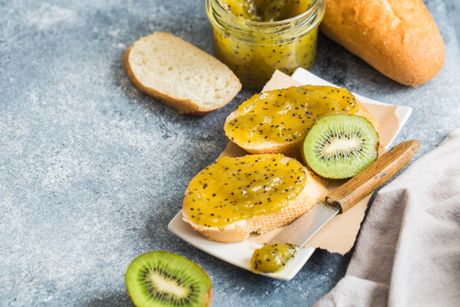
Potassium is essential for regulating the movement of water in and out of cells, thereby supporting normal blood pressure levels. Spector recommends increasing consumption of fruits such as bananas and kiwis, as well as a variety of green leafy vegetables. People who follow plant-based or vegetarian diets tend to receive significantly more potassium than those on conventional diets.
Natural Strategies for Lowering Blood Pressure
Several evidence-based, natural interventions can help manage blood pressure:
- Potassium and Nitrate-Rich Foods: Incorporating beans, lentils, beets, arugula, spinach, celery, sweet potatoes, and avocados can assist the body in relaxing blood vessels. Dietary nitrates specifically promote healthy circulation.
- Ground Flaxseed: Consuming two tablespoons daily can lower blood pressure in those with hypertension, thanks to its omega-3 fatty acids, fiber, and lignans.
- Raw Cocoa: Flavanols in cocoa help relax blood vessels and support optimal blood flow. Stir cocoa powder into your morning coffee or smoothies.
- Fermented Foods: An unhealthy bacterial balance is frequently seen in people with high blood pressure. Regular consumption of sauerkraut, kimchi, kombucha, and unsweetened soy yogurt provides beneficial probiotics that foster a healthier gut microbiome.
- Walnuts: Eating approximately 30 grams daily provides a rich source of ALA (a plant-based omega-3), which helps blood vessels remain flexible.
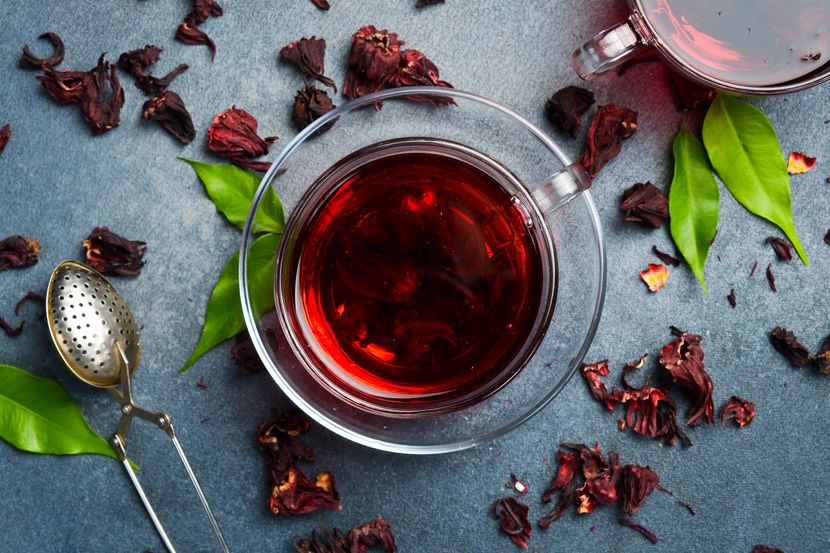
- Hibiscus Tea: Drinking 1-2 cups of unsweetened hibiscus tea daily has been shown to reduce blood pressure significantly, with effects comparable to certain medications.
- Slow Breathing and Relaxation: Brief periods of mindful breathing (as little as five minutes) can activate the parasympathetic nervous system, lowering blood pressure naturally.

The Importance of a Plant-Focused Diet
High blood pressure results from a complex interplay of dietary, lifestyle, and biological factors, not just excess salt. Evidence strongly links plant-centric eating patterns with lower rates of hypertension. Gradually increasing the share of whole, plant-based foods can lead to meaningful improvements, even without drastic changes overnight.
In summary, while cutting salt may help some, prioritizing potassium-rich foods and adopting natural, plant-forward strategies can provide broader and more effective support for healthy blood pressure.
Related news

Cancer Can Take Decades to Develop-Why Your Daily Habits Matter More Than You Think
Groundbreaking Study Shows Plant-Based Diet Cuts Mortality by Up to 24% for Chronic Disease Patients
Yo-yo dieting raises sudden cardiac death risk by 3.5 times, study finds in postmenopausal women
Why B12 Deficiency Is Common Even Among Meat-Eaters: The Role of Modern Food Production
Plant Based House reserves all rights to the content. For downloading content, see instructions on the Terms of Use page.