
Eating plant-based for just a few days can transform your gut microbiome and reduce inflammation

Summary
- Plant-based diets reduce chronic inflammation, lowering risks of heart disease, stroke, and diabetes.
- Switching to plant-based foods can significantly lower blood cholesterol by up to 35%.
- A plant-based diet improves the gut microbiome, enhancing overall health and preventing diseases.
- Plant foods optimize gene expression, potentially slowing aging and reducing cancer risk.
Have you ever wondered what exactly happens inside your body when you trade your steak for a hearty plant-based meal? While meat has long been considered a non-negotiable staple of the standard Western diet, a growing body of scientific research suggests that shifting to a plant-based lifestyle might be the single most powerful step you can take for your long-term health. The transformation goes far beyond simply losing a few pounds; it affects everything from your heart and your gut to the very DNA inside your cells.
If you are considering making the switch—or just adding more meatless days to your week—here are six profound ways your body heals and optimizes itself when you choose plants over animal products.

1. You will reduce chronic inflammation
If you regularly eat meat, cheese, and highly processed foods, you likely have elevated levels of inflammation in your body. Chronic inflammation can increase the risk of atherosclerosis, heart disease, stroke, diabetes, and autoimmune diseases. Plant-based foods have anti-inflammatory properties because they are rich in fiber, antioxidants, and other phytonutrients, while containing very few inflammatory triggers like saturated fats or endotoxins (toxins from bacteria commonly found in animal products). Studies have shown that eliminating meat can significantly lower levels of C-reactive protein (CRP), a key indicator of inflammation in the body.
2. You will significantly lower your blood cholesterol
High cholesterol is a major risk factor for heart disease and stroke, and its primary driver is saturated fat—mostly found in meat, poultry, cheese, and other animal products. Studies show that people who switch to a plant-based diet can see their blood cholesterol drop by up to 35%. Lowering cholesterol through diet has often proven just as effective as medication, but without the adverse side effects—and with the added health benefits that plant-based diets provide. Naturally cholesterol-free, low in saturated fat, and packed with fiber, plant-based foods are powerful tools for managing blood cholesterol.
3. You will drastically improve your gut microbiome
Your microbiome (the trillions of bacteria living in your gut) plays a crucial role in maintaining overall health. Not only do these bacteria help us digest food, but they also produce critically important nutrients, stimulate the immune system, regulate gene expression, keep the intestinal wall healthy, and help protect against cancer. Studies highlight the microbiome's significant role in preventing conditions like obesity, diabetes, atherosclerosis, autoimmune diseases, IBS, and liver disease. Fiber-poor diets (heavy in meat, eggs, and dairy) can stimulate the growth of disease-promoting bacteria. The good news is that it only takes a few days on a fiber-rich, plant-based diet to start positively shifting your microbiome composition!

4. You will optimize your gene expression
Science has made the remarkable discovery that environmental and lifestyle factors can turn our genes on and off (epigenetics). For example, antioxidants and other nutrients from plant foods can alter gene expression in a way that optimizes how our cells repair damaged DNA. Research has also shown that healthy lifestyle habits, combined with a meat-free diet, can decrease the expression of cancer-promoting genes (such as those linked to prostate cancer). Furthermore, a plant-based diet and a healthy lifestyle can actually lengthen telomeres—the protective "caps" at the ends of our chromosomes—potentially slowing the aging process.
5. You will drastically reduce your risk of type 2 diabetes
Animal proteins, especially those in red and processed meats, have been identified in numerous studies as major culprits in increasing the risk of type 2 diabetes. In the well-known Adventist Health Studies, participants on a mixed diet had double the risk of developing diabetes compared to those on a plant-based diet. Why does meat increase this risk? Animal fats, animal-derived heme iron, and nitrate preservatives in processed meats can damage pancreatic cells, worsen inflammation, and impair insulin function. Conversely, eating a plant-based diet—especially one rich in whole grains—offers exceptional protective properties against diabetes.
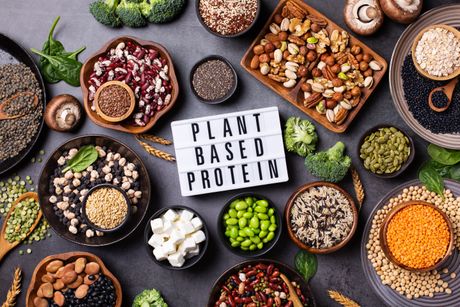
6. You will get the right amount (and best type) of protein
The average person today consumes at least 50% more protein than necessary, mostly from animal sources. Unfortunately, contrary to widespread belief, this excess protein will not automatically make us stronger or leaner. In fact, excess animal protein in the diet has been linked to weight gain, heart disease, and diabetes. On the other hand, plant proteins protect us from many chronic diseases. As long as you consume enough calories from a variety of whole plant foods, there is no need to obsessively track your protein intake. This is proven by the longest-living people on the planet in the "Blue Zones." They maintain robust health and longevity by getting about 10% of their daily calories from protein (mostly plant-based), compared to the Western average of 15–20%. The maximum health benefits of cutting out meat are achieved when it is replaced with healthy, whole-food plant protein sources.
Related news

Olive oil and walnuts strengthen special immune cells that destroy tumors: New discovery
Red and processed meats linked to chronic inflammation: What science reveals about your daily diet choices
Are Lectins Really Dangerous? Experts Dispel Myths and Reveal Surprising Health Benefits of Beans
Why Your Morning Blood Sugar May Be High Even With a Perfect Diet: The Surprising Role of Sleep
Plant Based House reserves all rights to the content. For downloading content, see instructions on the Terms of Use page.