
Study finds plant-based diets can actually lengthen telomeres and slow cellular aging over 5 years

Summary
- Lifestyle changes can influence gene behavior and telomere length, impacting health and longevity.
- Telomeres shorten due to unhealthy lifestyles, contributing to diseases like heart disease, diabetes, and cancer.
- Plant-based foods can protect telomeres by reducing inflammation and oxidative stress.
- Foods like flaxseeds, spinach, mushrooms, berries, and oatmeal support telomere health.
For years, we were told the same story: that our genes determine our destiny. We believed that family history predisposed us to certain diseases and that there was little we could do about it. Today, however, science tells a completely different story. While we cannot change the genes we inherited, we can influence how they behave. One of the most fascinating ways to do this is by affecting telomeres—the protective "caps" at the ends of chromosomes—which have been scientifically proven to respond to our lifestyle choices.
In 2009, Dr Elizabeth Blackburn and her colleagues won the Nobel Prize in Medicine for unraveling the mystery of telomeres. When these chromosome ends are damaged, cells can no longer function properly. Telomeres naturally shorten every time a cell divides, decreasing with age. However, research has discovered that they also shorten due to an unhealthy lifestyle: poor diet, lack of physical activity, sleep deprivation, smoking, obesity, and stress.
The good news? Certain plant-based foods can help protect telomeres by reducing inflammation and oxidative stress—two key drivers of premature aging at the cellular level.
Longer Telomeres, Longer Life
Over the past decade, numerous studies have found a clear link between telomere length and health status. Shorter telomeres are associated with heart disease, type 2 diabetes, Alzheimer's disease, certain cancers, depression, anxiety, and premature aging.
Conversely, longer telomeres are associated with a longer life. In a landmark 2013 study published in The Lancet Oncology, renowned researcher Dr Dean Ornish and Dr Blackburn demonstrated the impact of lifestyle on telomere length. They reported that comprehensive lifestyle changes led to telomere lengthening—something previously thought impossible.
The study participants were men with low-risk prostate cancer. Their regimen included a low-fat plant-based diet, moderate daily physical activity, stress management, and social support groups. The results were striking: in the intervention group, telomere length increased by 10% over the 5-year period, while the control group (which did not change their lifestyle) saw telomere length decrease by 3%.
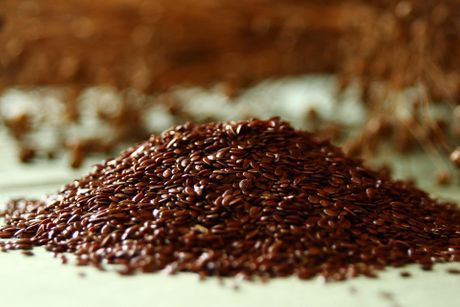
5 Foods for Longer Telomeres (and a Longer Life)
- Flaxseeds: Research has shown that omega-3 fatty acids can help prevent excessive telomere shortening. A 2010 study following over 600 people with stable heart disease found that those with higher blood levels of omega-3s experienced less telomere shortening over five years. Other great plant-based sources of omega-3s include walnuts, chia seeds, leafy greens, and soy products, as well as high-quality algae-based supplements.
- Spinach: Rich in fiber and antioxidants that protect telomeres, spinach is also packed with folate. This B-vitamin is essential for DNA synthesis, repair, and cellular metabolism. Folate is crucial for maintaining low levels of homocysteine—an amino acid linked to inflammation and blood vessel damage. Many studies have linked insufficient folate and vitamin B12 (and consequently high homocysteine) with shorter telomeres. Other excellent sources of folate include broccoli, asparagus, Brussels sprouts, lentils, beans, and whole grains.
- Mushrooms: Their beneficial effect on telomeres comes from their antioxidant properties and vitamin D content. Studies have linked low levels of vitamin D to shorter telomeres compared to those with adequate levels. Apart from mushrooms, you can obtain vitamin D from fortified plant milks and fortified low-fat dairy products. Supplements are often recommended, especially during winter when sunlight exposure is insufficient for natural synthesis.
- Berries: These nutrient-dense powerhouses are the perfect way to consume antioxidants that fight cell damage caused by free radicals. According to research, people with higher levels of antioxidants (such as vitamins C, E, and selenium) tend to have longer telomeres. While berries are packed with them, other great sources include carrots, sweet potatoes, pumpkin, and leafy greens. For vitamin C, look to tomatoes, citrus fruits, kiwi, and melons, while soy products, nuts, seeds, and whole grains provide ample selenium.
- Oatmeal: The soluble and insoluble fibers in oats promote stable blood sugar levels and prevent insulin resistance, a condition that can damage telomeres. When combined with antioxidant-rich berries, oatmeal becomes a powerful breakfast for longevity. Other fiber-rich foods to include in your diet are whole grains, vegetables, fruits, beans, and lentils.

A Recipe for Longevity
As you decide which of these protective foods to add to your menu, here is a perfect place to start: breakfast. While everyone knows about sweet oatmeal with fruit, savory oatmeal is a delicious, often overlooked option.
Longevity Breakfast: Savory Oatmeal with Mushrooms and Spinach
Ingredients:
- 100 g mushrooms, chopped
- 1 clove garlic, minced
- 2 handfuls of spinach, washed and roughly chopped
- 50 g oats (approx. ½ cup)
- Water (2 parts water to 1 part oats, approx. 1 cup)
- 1 tbsp ground flaxseeds
- Salt and a pinch of oregano (or other herbs to taste)
- A splash of lemon juice
- Optional: To add protein, top with sautéed tofu or an egg before serving.
Instructions:
- Sauté the chopped mushrooms with the minced garlic in a pan.
- Add the spinach. Once it wilts, add the oats, season with salt and oregano, and pour in the water.
- Simmer for a few minutes until the oats are cooked.
- Remove from heat and stir in the ground flaxseeds and lemon juice.
- Taste and adjust seasoning if desired. Enjoy your bowl of health!
Related news

Olive oil and walnuts strengthen special immune cells that destroy tumors: New discovery
How Sleep Acts as the Brains Washing Machine-And Why Missing It May Be Deadly, Says Dr. Walker
Effective natural ways to lower blood pressure: And it's not reducing salt intake
Cancer Can Take Decades to Develop-Why Your Daily Habits Matter More Than You Think
Plant Based House reserves all rights to the content. For downloading content, see instructions on the Terms of Use page.