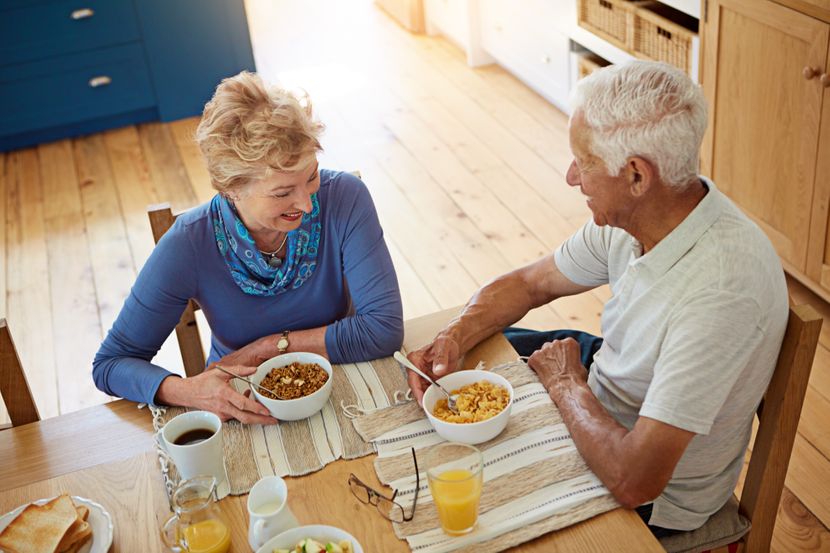
Is Hearing Loss Really Inevitable? Surprising Global Evidence Says Your Diet May Be the Key Factor

Summary
- Age-related hearing loss is not inevitable and lifestyle plays a significant role.
- High cholesterol and saturated fats are linked to hearing decline, as seen in studies from Australia and Finland.
- Western diets high in meat, dairy, and processed foods contribute to hearing loss.
- A plant-based diet with beans, lentils, oats, nuts, and leafy greens can protect hearing.
Hearing loss is often dismissed as an unavoidable side effect of aging, particularly in the United States, where rates skyrocket with every decade past sixty. However, emerging evidence suggests that this decline is not inevitable—and that your lifestyle could play a much larger role than you think.
Global Contrasts: Lessons from Afar
While age-related hearing loss is rampant in Western countries, studies in rural parts of Africa and Asia challenge the idea that it is simply "nature taking its course." For instance, the Mabaan people of Sudan represent a striking counter-example: they maintain sharp hearing abilities well into old age. Researchers attribute this not only to their quiet environment but also to their diet, which differs markedly from typical Western eating habits.
The Heart-Ear Connection: Why Diet Matters
The health of your auditory system relies on a delicate network of tiny blood vessels that deliver oxygen and nutrients to the inner ear. When these vessels become restricted by fatty deposits (atherosclerosis), the sensitive hair cells responsible for hearing can die off, leading to permanent damage. Essentially, what is bad for your heart is bad for your ears. Scientific studies have shown a clear link between high cholesterol, clogged arteries, and hearing decline.
The Evidence: From Australia to Finland
- The Blue Mountains Hearing Study: A large-scale Australian study found that older adults with higher dietary cholesterol intake had up to a 34% increased risk of hearing loss.
- Twin Studies: Further research involving twins confirmed that a high intake of saturated fats and cholesterol correlated with greater hearing damage, regardless of genetic factors.
- The Finnish Experiment: In the 1960s, a fascinating study in Finland involved two mental health hospitals. One was assigned a diet high in saturated fats, while the other adopted a much lower-fat menu. After several years, the diets were swapped. The result? The hospital on the low-fat diet saw a significant drop in heart-related deaths and notably better hearing among patients—even compared to younger individuals on the high-fat diet.
The Western Diet Problem
Diets common in Western nations typically feature heavy amounts of meat, dairy, eggs, and processed foods. These are primary sources of saturated fat and cholesterol, the very culprits linked to both cardiovascular disease and auditory issues. In contrast, populations that thrive on whole grains, legumes, and vegetables report much lower rates of hearing loss.
Practical Steps to Protect Your Ears
To preserve your hearing, science points to a clear strategy: reduce the intake of red meat, fatty dairy, and eggs, and embrace a plant-forward diet.
- Foods to Embrace: Beans, lentils, oats, nuts, berries, and leafy greens. These are rich in antioxidants and nutrients that support circulation, reduce inflammation, and protect delicate ear cells.
- Lifestyle Factors: Beyond diet, protect your ears by limiting noise exposure, avoiding smoking, and being cautious with ototoxic medications (such as certain antibiotics and NSAIDs).

Conclusion
Maintaining crystal-clear hearing into old age may be more achievable than previously thought. The condition of our ears is inextricably linked to our cardiovascular health. By making mindful choices about what we put on our plates, we don't just safeguard our hearts—we increase our chances of enjoying music, laughter, and conversation for the rest of our lives.
Related news

Olive oil and walnuts strengthen special immune cells that destroy tumors: New discovery
How Sleep Acts as the Brains Washing Machine-And Why Missing It May Be Deadly, Says Dr. Walker
Diverticulosis affects up to 70% of people by age 60-how fiber intake can make the difference
Effective natural ways to lower blood pressure: And it's not reducing salt intake
Plant Based House reserves all rights to the content. For downloading content, see instructions on the Terms of Use page.