
Diverticulosis affects up to 70% of people by age 60-how fiber intake can make the difference

Summary
- Diverticulosis affects up to 70% of people by age 60, linked to low dietary fiber intake.
- The disease became prevalent in the 20th century due to reduced fiber consumption in Western diets.
- High-fiber diets in rural African populations show low incidences of diverticulosis.
- Modern research disproves the myth that nuts and seeds worsen diverticulosis they may reduce risk.
- Increasing fiber intake gradually, with whole foods, can improve symptoms and prevent flare-ups.
Do you know what diverticulosis or diverticulitis is? If you're young, you might not, but there is a significant chance you will find out after your 50s or 60s - especially if you don't pay attention to what you eat. It is a condition that can transform from a silent disorder into a very unpleasant chronic and acute health problem.
Diverticulosis is currently the most common disorder of the colon, affecting up to 70% of people by age sixty. It is so widespread that many believe it is an inevitable part of aging. But it wasn't always like this. Just over a century ago, this disease almost didn't exist. In medical literature up to 1907, only 25 cases were described in total!
How Did This "New" Disease Arise?
It was only in the 1970s that scientists identified the most likely cause: a lack of dietary fiber.
At the end of the 19th century, new types of mills began removing fiber from grains. Simultaneously, people started consuming more meat, sugar, and dairy-foods naturally poor in fiber. A few decades of this transition were enough for a previously unknown disease to spread through the Western world at lightning speed.
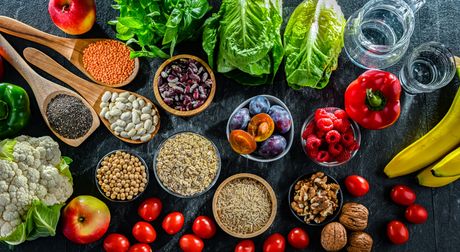
The Mechanism: Low Fiber and High Pressure
When we consume too little fiber, our stools become small and hard. To push them through, the intestines must contract forcefully, increasing the pressure within the wall of the colon. This pressure leads to the formation of small "pockets" - diverticula. Over time, these can become inflamed, progressing to diverticulitis, which often leads to severe pain, emergency room visits, and surgery.
Lessons from African Populations
In populations that maintain a traditional, fiber-rich diet, this disease remains rare. Studies have found:
- In the West: Over 50% of people in their fifties have diverticulosis.
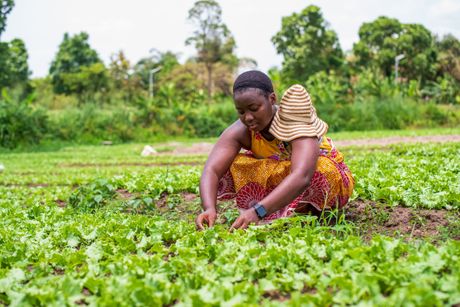
- In Rural Africa: Among those eating a traditional, mostly plant-based diet, the disease was practically unknown.
- Fiber Intake: These populations consume between 70-90 grams of fiber daily. For comparison, most people in the West consume less than a third of that amount.
Debunking the Myth: Nuts and Seeds
For decades, doctors advised patients with diverticulosis to avoid nuts, seeds, and popcorn, fearing they would get stuck in the diverticula. However, modern research from Harvard and the Mayo Clinic has shown the opposite: nuts and popcorn are actually associated with a lower risk of diverticulitis. The old advice is officially a myth.
What people with diverticulitis are experiencing
In discussions about diet and diverticulitis, many people report noticeable improvements after increasing their intake of plant-based, high-fiber foods. In one Reddit thread, some users share that gradually switching to a vegetarian or vegan diet helped reduce flare-ups and improve digestion over time. Others emphasize that the key was introducing fiber slowly, noting that sudden increases can initially worsen symptoms before the gut adapts. Several commenters also highlight the importance of whole foods like beans, vegetables, and whole grains, while pointing out that processed low-fiber diets were often linked to their previous digestive issues.
Recipe: Fiber-Rich Whole Grain Veggie & Chickpea Pie
In many regions, pies are a staple. This version uses whole grain crusts and legumes to provide a massive boost to your gut health.
Ingredients (4 servings):
- 5-6 whole grain pie crusts (approx. 300 g)
- 2 carrots (150 g) & 1 zucchini (250 g)
- 1 red bell pepper (100 g) & 1 onion (100 g)
- 1 can of chickpeas (240 g drained and mashed for binding)
- 2-3 tbsp olive oil
- Spices: salt, pepper, oregano, smoked paprika, garlic powder, and a touch of turmeric.
Preparation:
- Sauté: Finely chop the onion, carrot, and pepper. Sauté in olive oil until soft.
- Mix: Add the grated zucchini and mashed chickpeas. Season and sauté briefly to combine.
- Layer: Grease a baking dish. Layer the crusts and filling, lightly spraying each crust with a mix of water and oil.
- Bake: Bake for 35 minutes at 180°C until golden brown.
- Fiber Impact: One serving provides about 16 g of fiber - more than half of the recommended daily intake.
Diverticulosis is a disease of the modern age, driven by fiber deficiency. The solution is clear: more plants. Vegetables, whole grains, legumes, nuts, and seeds are the best prevention and therapy for colon health. Increasing your fiber intake is one of the most important health priorities you can set today.
Related news

Plant-based diets can double natural GLP-1 levels-could fiber be the secret to lasting weight control?
Is Hearing Loss Really Inevitable? Surprising Global Evidence Says Your Diet May Be the Key Factor
Plant Based House reserves all rights to the content. For downloading content, see instructions on the Terms of Use page.