
4 Research-Based Ways to Tackle Menopausal Weight Gain-No Starvation Required

Summary
- Weight gain during menopause involves changes in body composition, gut microbiome, metabolism, and lifestyle.
- Hormonal shifts cause fat to redistribute to the abdomen, increasing health risks like insulin resistance and heart disease.
- Gut microbiome changes affect energy extraction and fat storage, with higher blood sugar and inflammatory markers noted.
- Reduced physical activity and sleep disturbances contribute to weight gain, affecting hunger hormones and cravings.
- Strategies for managing weight include a nutrient-dense diet, gut health focus, sufficient sleep, and regular exercise.
Many women entering menopause notice new physical and emotional challenges, with weight gain being one of the most common concerns. While it is widely assumed that hormonal fluctuations are the sole culprit, recent scientific findings highlight a much more complex picture.
The Real Drivers Behind Midlife Weight Gain
Several interconnected factors contribute to increased body weight during menopause and perimenopause. Among the most influential are changes in body composition, shifts in the gut microbiome, alterations in glucose and lipid metabolism, and lifestyle changes.
1. Body Composition & Fat Distribution
With age, muscle mass naturally decreases (sarcopenia), slowing down the metabolism and making it easier for the body to store fat.
Simultaneously, hormonal shifts—particularly the decline in estrogen—change where fat settles. It migrates from the hips and thighs to the abdomen. This abdominal or visceral fat is especially concerning because it raises the risk for insulin resistance, heart disease, and metabolic syndrome.
2. The Gut Microbiome Connection
Studies show that the composition of gut bacteria changes significantly during menopause. These shifts can affect how the body extracts energy from food and stores fat. Research also notes that menopausal women often exhibit higher levels of blood sugar, fats, and inflammatory markers, both when fasting and after meals.
3. Lifestyle & Sleep
As routines and responsibilities shift with age, many women find themselves less physically active. This reduction in movement, coupled with sleep disturbances (such as hot flashes or insomnia), creates a perfect storm for weight gain. Poor sleep disrupts the hormones ghrelin and leptin, leading to blood sugar crashes and increased cravings for sugary foods throughout the day.

Why Weight Management Matters Now
Carrying excess weight during menopause increases the risk of serious health conditions, including cardiovascular disease, type 2 diabetes, stroke, osteoarthritis, and even certain cancers. Since the risk for several of these conditions naturally rises during this life stage, preventing additional weight gain becomes a critical preventative measure.
4 Evidence-Based Strategies to Maintain a Healthy Weight
Research supports four main approaches to navigating this transition:
- Don't Starve Yourself: Avoid strict calorie restriction. Severely cutting calories can backfire by slowing your metabolism and increasing muscle loss. Instead, focus on a nutrient-dense diet featuring minimally processed foods: plenty of fruits, vegetables, whole grains, legumes, seeds, nuts, lean proteins, and healthy fats like olive oil and avocado.
- Nourish Your Gut: A thriving and diverse microbiome helps counteract fat accumulation and insulin resistance. Aim for 30 different plant foods each week to boost fiber and polyphenol intake. Include fermented foods like yogurt, sauerkraut, kimchi, and kombucha. Also, avoid late-night snacking to give your gut bacteria time to rest and repair.
- Prioritize Sleep: Aim for at least seven hours of quality rest each night. Sleep deprivation disrupts metabolism and increases appetite, making weight management significantly harder.
- Stay Active: Target at least 150 minutes of moderate-to-vigorous exercise per week. Crucially, incorporate strength training at least twice a week to preserve muscle mass and keep your metabolism active.

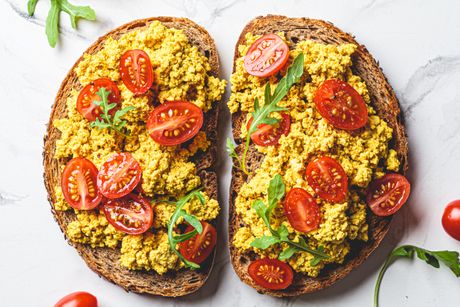
Menopause Wellness Breakfast: Tofu & Veggie Scramble
For a meal that supports metabolism, muscle maintenance, and gut health, try this savory Tofu and Vegetable Scramble.
This dish combines plant-based protein with a variety of colorful vegetables, anti-inflammatory spices, and healthy fats. It is a perfect way to start the day with fiber and nutrients that benefit both body composition and the microbiome.
Ingredients:
- Firm tofu, crumbled
- Chopped vegetables: Onion, bell pepper, mushrooms, zucchini, spinach
- Spices: Turmeric, paprika, chili powder, black pepper, garlic powder
- Soy sauce (or tamari) and a splash of lemon juice
- To Serve: Whole-grain toast and fresh cherry tomatoes
Preparation:
- Sauté the onion and harder vegetables (peppers, zucchini) in a little olive oil until softened.
- Add the crumbled tofu, mushrooms, and spices. Cook for 5–7 minutes, stirring occasionally.
- Stir in the spinach and soy sauce, cooking until the greens wilt.
- Finish with a splash of lemon juice.
- Serve alongside whole-grain toast and fresh tomatoes for a balanced, energizing breakfast.
While weight gain is often viewed as an inevitable part of menopause, research reveals it is not solely dictated by hormones. By paying attention to diet quality, gut health, sleep hygiene, and physical activity, women can navigate this transition with confidence and minimize health risks.
Related news

Red and processed meats linked to chronic inflammation: What science reveals about your daily diet choices
Are Lectins Really Dangerous? Experts Dispel Myths and Reveal Surprising Health Benefits of Beans
Why Your Morning Blood Sugar May Be High Even With a Perfect Diet: The Surprising Role of Sleep
This tea is considered the best drink against insulin resistance: Here's why
Plant Based House reserves all rights to the content. For downloading content, see instructions on the Terms of Use page.