Natural Ways to Tame the Burn: How to Manage Heartburn Without Medication

Summary
- GERD is caused by the relaxation of the esophageal sphincter, leading to irritation and potential complications.
- High-calorie, high-fat meals, large portions, and eating before bed are primary triggers for GERD.
- A plant-based diet may reduce GERD symptoms, with foods like bananas, leafy greens, and oatmeal offering relief.
Most people dealing with acid reflux resort to medications that reduce stomach acid and provide temporary relief. Unfortunately, these drugs do not address the root cause, meaning they cannot cure the condition. Furthermore, they often come with side effects, especially with long-term use.
Prolonged use can lead to stomach pain, constipation, nausea, and gas. Ironically, they can also trigger an "acid rebound" effect, where the stomach increases acid production once it detects a drop. Given the potential cardiovascular risks associated with frequent use, the prevailing medical opinion today is that these medications should be minimized as much as possible.
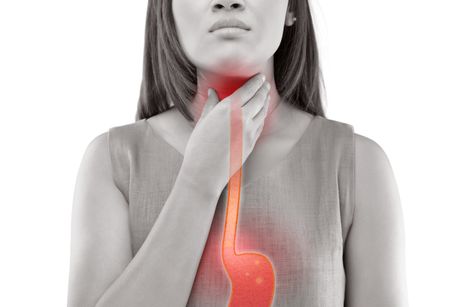
Understanding GERD: More Than Just Discomfort
Apart from being unpleasant, frequent heartburn—the backflow of acidic content from the stomach into the esophagus—can severely irritate the esophageal lining. This can lead to more serious complications collectively known as GERD (Gastroesophageal Reflux Disease).
In most cases, the real culprit behind chronic heartburn is the relaxation of the esophageal sphincter, the valve meant to prevent acid from rising. The primary triggers for this malfunction include:
- High-calorie meals
- High-fat meals
- Overly large portions
- Eating immediately before bed
Additionally, for sensitive individuals, certain foods can trigger excess acid production: spicy foods, citrus fruits, tomatoes, onions, garlic, chocolate, mint, caffeine, alcohol, and carbonated drinks.
What to Avoid if You Suffer from Heartburn
If you suffer from frequent heartburn, reducing your intake of sugar and fat is the first line of defense. However, scientific research points to other specific culprits:
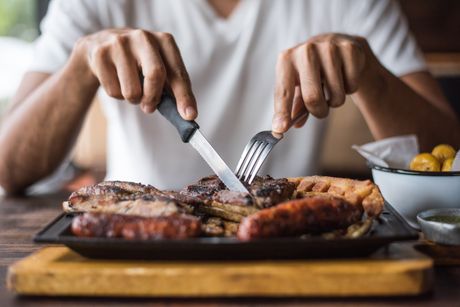
- Red Meat & Processed Foods: A study in Ireland found that people who consume high amounts of red meat, processed foods, and saturated fats are more likely to suffer from heartburn. Even more concerning, those with the highest red meat consumption had nearly three times the risk of developing esophageal cancer.
- Fried Foods: Fat contributes to reflux by slowing down stomach emptying and relaxing the esophageal sphincter. It is no surprise that fried food is often identified as the worst trigger for heartburn.
- Sugar: Unfortunately, those with a sweet tooth may need to cut back. A 2017 study found a correlation between sugar intake and Barrett's Esophagus, a pre-malignant condition caused by chronic GERD. High sugar consumers had a 70–80% higher risk of the disease.
- Carbonated & Caffeinated Drinks: Findings from the extensive Nurses' Health Study (NHS) indicate that coffee, tea, and soda increase the risk of GERD by about 30%. Carbonation appears to directly affect sphincter relaxation, forcing acid where it doesn't belong.
- Spicy Food: While spices have health benefits, they can be tricky for GERD patients. An Iranian study found that men who ate spicy food frequently had a 2.5 times higher incidence of heartburn.
Can a Plant-Based Diet Help?
Evidence suggests it can.
- Lower Risk: A study conducted in Italy on over 1,000 adults found that vegans had half the incidence of GERD problems compared to those on a standard diet.
- Better Response: A 2018 study found that people with frequent heartburn experience less acid reflux after meals containing plant proteins compared to animal proteins.
- Prevention: A 2017 study discovered that those who consumed the most fruits and vegetables had a 33% lower risk of developing GERD symptoms.
Top Foods to Soothe the Burn
- Bananas: Naturally low-acid fruit that helps neutralize stomach acidity.
- Leafy Greens: beneficial for digestion, especially during pregnancy.
- Oatmeal: High in fiber and known for its soothing effect on the stomach lining.
- Chamomile Tea: calm inflammation in the digestive tract.
- Sweet Potatoes: Long known to soothe digestive issues and significantly reduce heartburn.
- Fermented Soy (Miso): Shown to help reduce the frequency of heartburn attacks.
Lifestyle Note: Excess weight and chronic stress are major risk factors. Additionally, quitting smoking is crucial; smokers have poor esophageal sphincter function and a 2.5 times higher risk of esophageal inflammation compared to non-smokers.

Natural First Aid: Soothing Chamomile and Ginger Tea
If you are experiencing a flare-up, try this simple, homemade remedy. Chamomile soothes the digestive tract, ginger reduces inflammation, and fennel seeds help suppress excess acid secretion and bloating.
Ingredients:
- 1 Chamomile tea bag
- 1 tsp Fresh ginger root (finely chopped)
- 1 tsp Fennel seeds
- A squeeze of fresh lemon juice
- Hot water
Instructions:
- Bring water to a boil.
- Place the chamomile tea bag in a large mug.
- Place a small strainer over the mug and add the chopped ginger and fennel seeds.
- Pour the hot water over the strainer into the mug.
- Let it steep for about 10 minutes.
- Remove the tea bag and strainer, add a squeeze of lemon, and sip slowly to soothe your stomach.

Related news

Olive oil and walnuts strengthen special immune cells that destroy tumors: New discovery
How Sleep Acts as the Brains Washing Machine-And Why Missing It May Be Deadly, Says Dr. Walker
Effective natural ways to lower blood pressure: And it's not reducing salt intake
Cancer Can Take Decades to Develop-Why Your Daily Habits Matter More Than You Think
Plant Based House reserves all rights to the content. For downloading content, see instructions on the Terms of Use page.