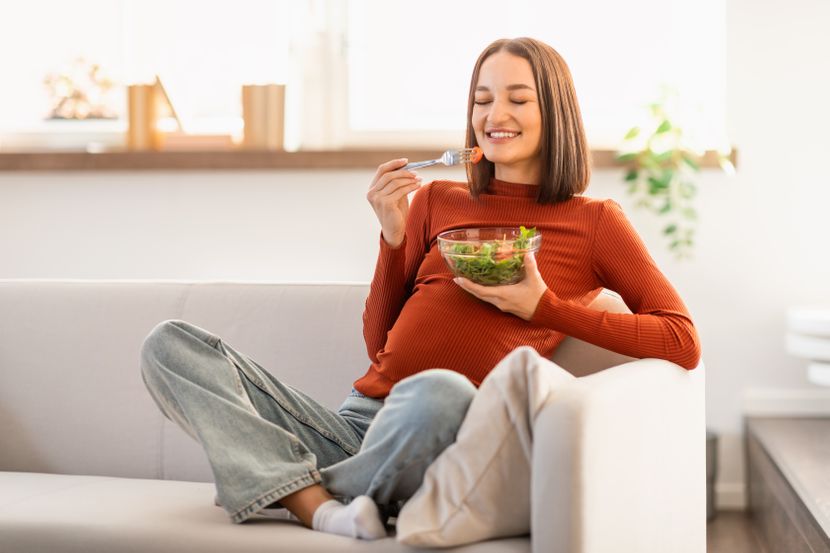
Maternal Plant-Based Diets May Lower Eczema Risk in Babies by 35%, Study Finds

Summary
- Children of mothers on vegetarian or vegan diets had a 35% reduced risk of developing eczema in their first 18 months.
- Nutritional focus for pregnant individuals includes protein, iron, vitamin B12, vitamin D, and calcium.
- Recommendations include daily servings of greens, fruits, vegetables, legumes, whole grains, seeds, and nuts.
A study published in 2023 has shed light on the relationship between maternal diet during pregnancy and the risk of eczema in young children. This research is particularly notable, as it focuses specifically on the effects of vegetarian and vegan eating patterns among expectant mothers.
Lower Eczema Risk Linked to Maternal Vegetarian-Vegan Diets
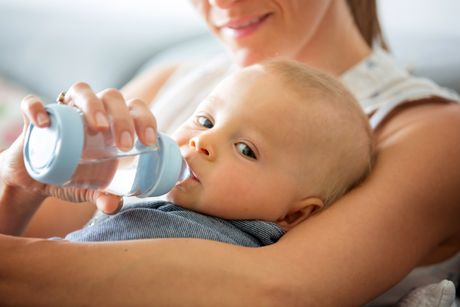
The investigation analyzed the dietary habits of pregnant women and tracked the incidence of atopic dermatitis-commonly known as eczema-in their offspring. The findings indicated that children whose mothers followed plant-based diets experienced a 35% reduction in the likelihood of developing eczema during their first year and a half of life. Atopic dermatitis, an inflammatory skin condition most frequently seen in children, has been increasingly prevalent worldwide, with both genetic predispositions and environmental exposures recognized as contributing factors.
Implications and Future Research
The authors of the study suggest that these results align with earlier findings pointing to potential health benefits for children whose mothers maintained plant-based diets while pregnant. They emphasize the importance of further monitoring these children over time to uncover any possible connections between maternal nutrition and the emergence of other allergic disorders.
The full report appears in the Pediatric Allergy and Immunology Journal, adding to the ongoing conversation about dietary influences on childhood allergies.
Guidelines for a Healthy Plant-Based Pregnancy
Expert organizations, including the Academy of Nutrition and Dietetics, agree that a well-planned and balanced plant-based diet can support healthy pregnancies and is appropriate for all stages of life. It is crucial, however, to carefully follow nutritional guidelines to ensure mothers receive adequate amounts of essential nutrients.
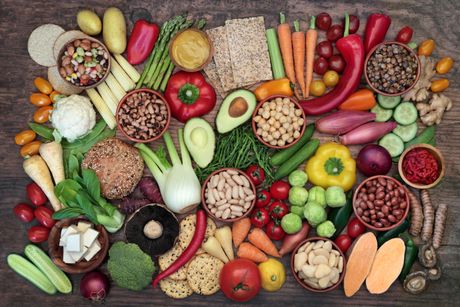
The Physicians Committee for Responsible Medicine advises pregnant individuals on plant-based diets to increase their daily protein intake by 25 grams to meet the recommended 1.1 grams per kilogram of body weight. Their dietary recommendations include daily servings of dark leafy greens, a variety of fruits and vegetables, legumes and soy products, whole grains, seeds, and nuts. Attention to nutrients such as iron, vitamin B12, vitamin D, and calcium is especially important, particularly for those who do not consume dairy products.
With the number of children affected by eczema on the rise, these new findings highlight the potential benefits of plant-based nutrition during pregnancy. Continued research and careful dietary planning are essential to maximizing health outcomes for both mothers and their children.
Related news

Olive oil and walnuts strengthen special immune cells that destroy tumors: New discovery
How Sleep Acts as the Brains Washing Machine-And Why Missing It May Be Deadly, Says Dr. Walker
Effective natural ways to lower blood pressure: And it's not reducing salt intake
Cancer Can Take Decades to Develop-Why Your Daily Habits Matter More Than You Think
Plant Based House reserves all rights to the content. For downloading content, see instructions on the Terms of Use page.