Overnight oats vs. cooked: How your breakfast prep impacts resistant starch and gut health benefits

Many people turn to oatmeal for a quick, nourishing breakfast, especially on chilly mornings. However, the way oats are prepared can influence their health benefits, particularly when it comes to the presence of resistant starch.
The Significance of Resistant Starch in Oats
Oats are well-known for their fiber content, but their value extends further due to resistant starch. This specialized carbohydrate acts more like soluble fiber than standard starch, resisting digestion in the small intestine and traveling to the large intestine almost unchanged. There, it becomes food for beneficial gut bacteria and helps generate valuable short-chain fatty acids, such as butyrate, which are linked to numerous health advantages.
Unlike most starches that break down quickly and cause blood sugar spikes, resistant starch slows digestion and absorption, helping to stabilize blood sugar. It also supports gut health, reduces inflammation, lowers cholesterol, enhances satiety, and may lower the risk of type 2 diabetes by improving insulin sensitivity.

Cooking vs. Soaking: How Preparation Changes Oatmeal’s Benefits
When oats are cooked, their starches break down into simpler carbohydrates, which are rapidly digested. This leads to a higher glycemic response, although adding ingredients like nuts or berries can help moderate this effect. In contrast, soaking raw oats in plant-based milk or water (as done in overnight oats) preserves resistant starch. If oats are cooked and later cooled, some resistant starch reforms, but not as much as with raw soaking.
Overnight oats provide a breakfast that is digested more slowly, maintains stable blood sugar, and keeps you full longer. Adding fruits, nuts, or yogurt can enhance both flavor and nutrition. For those who prefer warm oats, cooling them after cooking can somewhat increase resistant starch content, though not to the same extent as soaking raw oats.

Simple Guide to Overnight Oats
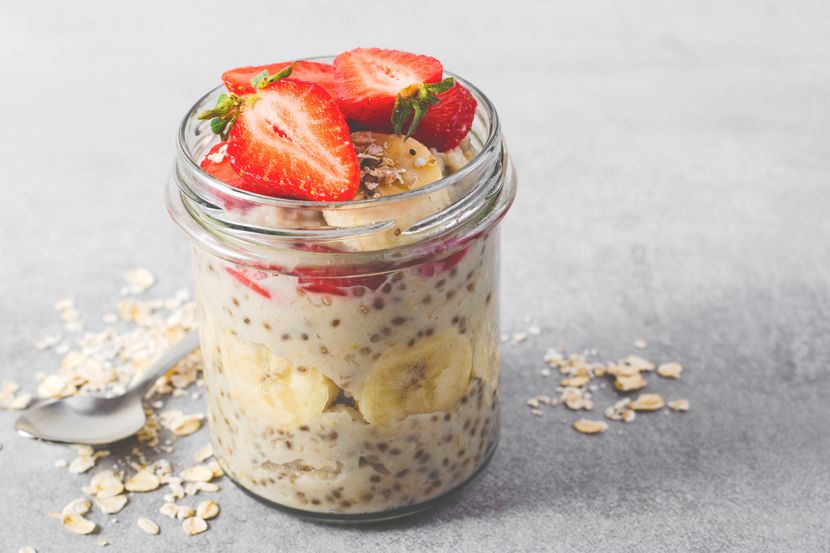
For the fullest nutritional benefits, preparing overnight oats is straightforward. Combine 50 grams of whole oats, 150 grams of your preferred plant milk (soy is richest in protein), a tablespoon of chia or flax seeds, half a mashed banana, a bit of cinnamon, and optional yogurt for creaminess in a container. Stir well, cover, and refrigerate for at least five to six hours or overnight. In the morning, add your favorite toppings such as berries, nut butters, chopped nuts, seeds, or granola. Overnight oats can last 3-4 days in the fridge, making it easy to prepare several servings in advance.
Conclusion
Choosing how you prepare oats can make a notable difference in their health impact. Opting for raw, soaked overnight oats is a simple change that can substantially increase the benefits of this classic breakfast, delivering more stable energy and digestive support throughout the day.
Related news

Discover the Secret Ingredients That Make Oatmeal Satisfying, Nutritious, and Never Boring
Quinoa vs Rice: Which Gluten-Free Staple Packs More Protein, Fiber, and Micronutrients Per Serving?
Boost Your Gut Microbiome: The Science Behind Plant Diversity and a Vibrant Stuffed Pepper Recipe
Discover How Crispy Almond Bacon Adds Crunch and Flavor to Salads, Bowls, and Plant-Based Meals
Plant Based House reserves all rights to the content. For downloading content, see instructions on the Terms of Use page.