Boost Your Gut Microbiome: The Science Behind Plant Diversity and a Vibrant Stuffed Pepper Recipe

Summary
- Consuming 30 different plant foods weekly is crucial for gut health.
- Plant-derived fiber is essential for beneficial gut bacteria.
- Quinoa, lentil, and broccoli dishes provide vital nutrients and protein.
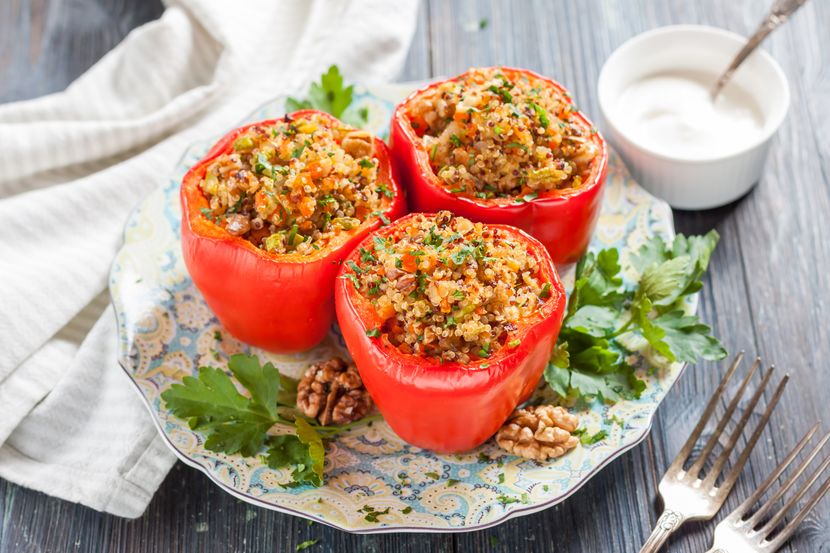
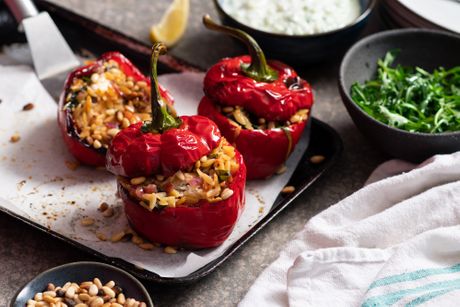
- Recipe for stuffed peppers includes lentils, quinoa, and various vegetables.
Combining ingredients like lentils, quinoa, and broccoli results in a protein-rich dish that also offers a broad spectrum of vital plant nutrients. Including multiple plant sources in one meal not only supports optimal protein intake but also massively boosts overall dietary diversity.
Incorporating around 10 different plant varieties into a single meal is an excellent strategy for enhancing nutrition, especially for those mindful of their long-term health. Recent scientific investigations into the human microbiome heavily emphasize the importance of regularly consuming a wide array of plant foods.
The Importance of Plant Variety for Gut Health
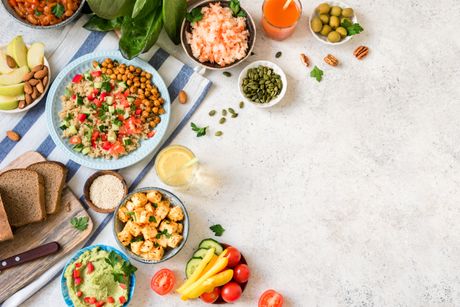
Researchers focusing on the microbiome—the vast collection of bacteria residing in the colon—have found that consuming a minimum of 30 different types of plant foods each week is crucial for maintaining optimal bodily health. These beneficial gut bacteria rely entirely on plant-derived fiber to thrive, as fiber is exclusively found in plant-based foods.
Every plant offers its own unique fiber profile, and different bacterial species prefer different types of dietary fiber. For instance, specific microbes specialize in digesting fibers from foods like broccoli, onions, beans, or plums. Remarkably, scientists have even identified bacterial strains that feed solely on the complex fibers found in coffee!
Recipe: Quinoa, Lentil, and Veggie Stuffed Peppers
This vibrant, nutrient-dense recipe easily helps you check off multiple plants from your weekly goal.
Ingredients You Will Need:
- Base: Bell peppers (halved and deseeded)
- Grains & Legumes: Green or brown lentils, quinoa
- Vegetables: Onions, garlic, chopped tomatoes, and broccoli (or zucchini)
- Spices & Herbs: Mustard seeds, bay leaves, fresh parsley, fresh oregano, and your preferred spice blend
- Flavor Boosters: Fresh lemon juice
- Topping (Optional): Cashew cream or vegan sour cream
Step-by-Step Instructions:
- Prep the Peppers: Preheat your oven. Halve the bell peppers, remove the seeds, and bake them briefly until they are just softened.
- Cook the Base: Thoroughly rinse the lentils and quinoa. Simmer them together in a pot with water (or vegetable broth), bay leaves, and a pinch of seasoning until tender and cooked through.
- Sauté the Aromatics: While the grains cook, toast the mustard seeds in a pan until fragrant. Add the diced onions, minced garlic, and your chosen spices, sautéing until soft and golden.
- Build the Filling: Stir the chopped tomatoes and broccoli (or zucchini) into the pan. Simmer until the vegetables are tender. Stir in the freshly chopped parsley and oregano for an aromatic lift.
- Combine and Stuff: Mix the cooked lentils and quinoa into the vegetable mixture. Add a generous splash of fresh lemon juice to brighten the overall flavor. Generously fill the pre-baked pepper halves with this robust mixture.
- Final Bake: Top the stuffed peppers with a drizzle of cashew cream or vegan sour cream if desired. Return them to the oven and bake briefly to meld the flavors together.
Closing Thoughts
By preparing rich, multi-ingredient dishes like these quinoa and lentil stuffed peppers, individuals can effortlessly increase their intake of diverse plant foods. It is a delicious, practical way to support daily nutritional needs while actively nurturing the well-being of the gut microbiome.
Related news

Discover the Greek Secret to Satisfying Plant-Based Meals With Fasolakia Stewed Green Beans
Make the best "meatballs" from any type of legumes: This is a universal recipe
Smoky Bean and Tofu Pâté Recipe: A 15-Minute, Protein-Packed Alternative to Processed Meats
How Mung Beans Became a Global Staple: Nutrition, Versatility, and Plant-Based Innovations Explained
Plant Based House reserves all rights to the content. For downloading content, see instructions on the Terms of Use page.