Recognizing healthier products isn't easy: How to read labels like a pro

Summary
- Fiber supports overall health by balancing blood sugar, lowering cholesterol, feeding the microbiome, and reducing inflammation.
- Use the 5:1 carbohydrate-to-fiber ratio to evaluate food quality: 5 or less is excellent.
- Gradually increase fiber intake to avoid digestive discomfort.
- Prioritize naturally fiber-rich foods like whole grains, legumes, nuts, seeds, fruits, and vegetables be cautious of "functional fibers."
In a world obsessed with protein shakes and trendy superfoods, one essential nutrient consistently remains in the shadows: fiber. It doesn't come in designer packaging, yet it is a primary pillar of overall health. From balancing blood sugar and lowering cholesterol to feeding the microbiome and reducing inflammation, fiber plays a central role in preventing chronic conditions like heart disease, type 2 diabetes, and certain cancers.
The Wellness Industry's Missing Spotlight
Why don't we hear more about fiber? Simply put, there is no massive industry making billions from marketing it. You cannot patent lentils or broccoli. Because fiber-rich foods like legumes, whole grains, and seeds are affordable and unbranded, they remain outside the spotlight of expensive wellness schemes.
The 5:1 Rule: How to Read Nutritional Labels
You don’t need a calculator to find high-fiber foods, but you do need to know what to look for on a label. Experts recommend using the ratio between total carbohydrates and dietary fiber to determine a product's quality.
The Simple Math:
Divide the Total Carbohydrates by the Dietary Fiber.
- 5 or less: An excellent fiber choice.
- Between 5 and 10: An acceptable choice, but not ideal.
- 10 or more: A poor choice; the food is likely over-refined and stripped of its natural benefits.
Daily Targets: How Much Do You Really Need?
Most people consume only 15 to 20g of fiber daily, which is far below the recommended minimums for optimal health:
- Women: 25-28g daily.
- Men: 35-38g daily.
- General Rule: Aim for approximately 14g of fiber for every 1000 kcal consumed.
Real-World Experiences
Experiences shared in online nutrition communities highlight how impactful fiber can be in daily life. In one discussion, a user noted that increasing fiber intake “changed my life… I’m full all day,” pointing to improved satiety and reduced cravings.
Others emphasize that they prioritize fiber as much as protein because of how filling it is, often relying on foods like beans, lentils, berries, and vegetables.
Many also point out that fiber intakeshould be increased gradually to support digestion and avoid discomfort.
Natural vs. Functional Fibers
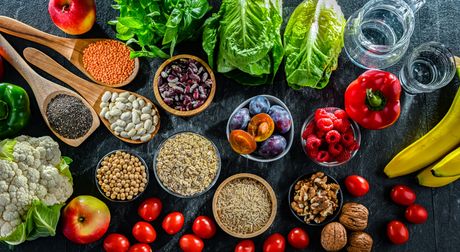
When reading ingredient lists, prioritize naturally fiber-rich components:
- Whole Grains: Oats, quinoa, whole wheat.
- Legumes: Chickpeas, lentils, black beans.
- Nuts and Seeds: Flax, chia, walnuts.
- Fruits and Vegetables.
Caution: Be wary of "functional fibers" (isolated fibers added in factories). These do not offer the same synergistic benefits for your gut bacteria as fiber found in its whole-food form.
Avoiding Marketing Traps
Don't be misled by front-of-package claims:
- "Made with whole grains": Often contains only a small percentage of whole grains (always check the carb-to-fiber ratio).
- "High in fiber": May rely on isolated, factory-added fibers.
- "Low carb" or "Keto": These products are frequently stripped of necessary fiber.
By applying the 5:1 carbohydrate-to-fiber ratio, you can easily identify truly nutritious whole foods that support your microbiome and protect against chronic inflammation.
Related news

Quinoa vs Rice: Which Gluten-Free Staple Packs More Protein, Fiber, and Micronutrients Per Serving?
Forget Oranges: This Underrated Fruit Has More Vitamin C and Acts as a Powerful Prebiotic
Are store-bought crackers really healthy? Discover whats missing and how to make your own at home
Tired of Food Cravings? A Leading Expert Says a Giant Salad Is the Surprising Solution You Need
Plant Based House reserves all rights to the content. For downloading content, see instructions on the Terms of Use page.