Minimally Processed vs. Ultra-Processed: Which Foods Are Safest According to Science?

Summary
- Ultra-processed foods link to chronic conditions like heart disease, cancer, and type 2 diabetes.
- Ultra-processed foods often lack fiber and nutrients and contain additives associated with negative health outcomes.
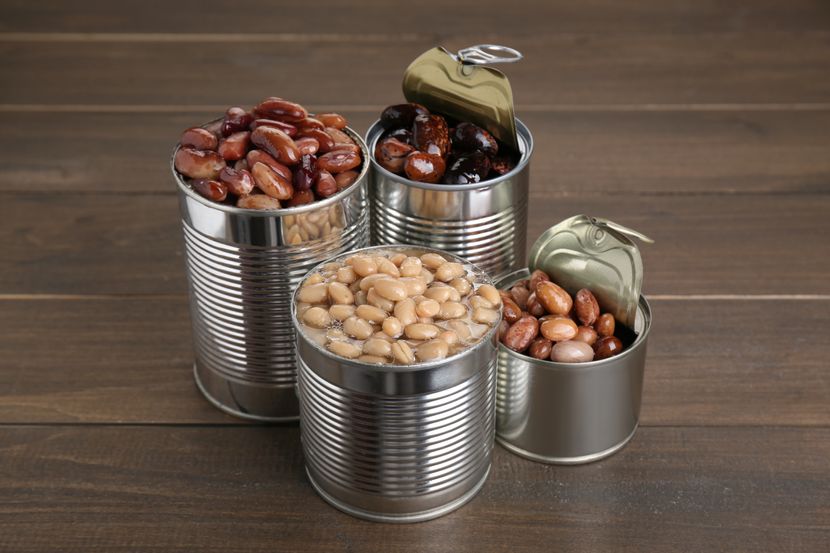
- Minimally processed foods like canned beans, frozen fruits, canned fish, simple breads, plain dairy, and dried fruits are recommended.
Mounting scientific evidence links the widespread use of ultra-processed foods to major chronic conditions like heart disease, cancer, and type 2 diabetes. While these products dominate the market, it is possible to maintain a nutritious diet by understanding the levels of food processing.
Understanding Food Processing: The Nova System
Not all processed foods carry the same risks. The Nova classification system, widely referenced in scientific literature, organizes foods into four distinct groups:
- Group 1: Unprocessed or Minimally Processed. Includes fresh, squeezed, chilled, or frozen fruits, vegetables, grains, and legumes.
- Group 2: Processed Culinary Ingredients. Derived directly from Group 1 foods, such as butter, vegetable oils, and salt.
- Group 3: Processed Foods. Simple combinations of Group 1 and 2, often canned or bottled (e.g., tofu, canned vegetables, plain yogurt).
- Group 4: Ultra-Processed Foods (UPFs). Heavily altered products containing additives like emulsifiers, colorants, and artificial flavors (e.g., instant noodles, soft drinks, and packaged snacks).

Health Concerns Around Ultra-Processed Foods
Nutritionists highlight the low nutritional quality of UPFs, often stripped of fiber and micronutrients during manufacturing. Research associates specific additives, such as artificial sweeteners and emulsifiers, with negative health outcomes. Furthermore, these foods are often engineered to be hyper-palatable, which frequently leads to overeating.
Nutritious Choices: What is Safe to Eat?
Certain processed products are considered safe and even beneficial. Experts recommend inspecting labels for unnecessary additives like flavors, colors, and thickeners.
Recommended minimally processed options include:
- Canned Beans: A convenient, fiber-rich source of plant protein. Rinsing is recommended to reduce sodium.
- Frozen Fruits and Vegetables: Virtually equivalent nutritionally to fresh counterparts, making them a cost-effective solution out of season.
- Canned Fish: When packed in water or oil with minimal preservatives, it remains an excellent source of omega-3 fatty acids.
- Simple Breads: Options made from flour, yeast, salt, and water are preferred over those with long lists of chemical dough conditioners.
- Plain Dairy: Yogurt and cheese free from added sugars, thickeners, or artificial flavors are healthy staples.
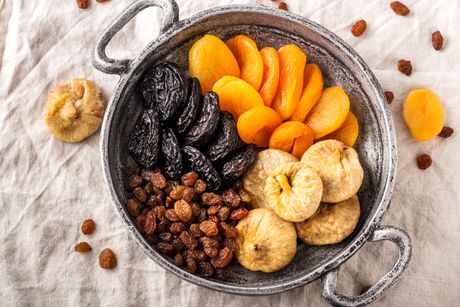
- Dried Fruits: A nutritious snack when free from added sugars and artificial dyes.
Practical Strategies for Informed Choices
The key to a balanced diet is context. While a plain yogurt is the gold standard, it is still a better choice than a heavily sweetened pastry. Nutritionists emphasize balancing nutritional value, convenience, and budget.
By reading labels carefully and prioritizing foods from Groups 1 and 3, individuals can enjoy the convenience of modern food without compromising their metabolic health.
By focusing on minimally processed staples like frozen vegetables and canned legumes while avoiding foods with long lists of industrial additives, you can significantly reduce your intake of ultra-processed products and protect your long-term wellness.
Related news

Discover the Secret Ingredients That Make Oatmeal Satisfying, Nutritious, and Never Boring
Why Zucchini Deserves a Place in Every Kitchen: Nutrients, Antioxidants, and Versatile Recipes
Quinoa vs Rice: Which Gluten-Free Staple Packs More Protein, Fiber, and Micronutrients Per Serving?
Boost Your Gut Microbiome: The Science Behind Plant Diversity and a Vibrant Stuffed Pepper Recipe
Plant Based House reserves all rights to the content. For downloading content, see instructions on the Terms of Use page.