Hibiscus Outshines Green Tea: Discover the Antioxidant Powerhouse for Heart and Immune Health

Summary
- Hibiscus contains anthocyanins, beneficial for heart health, immunity, and blood pressure.
- Hibiscus scores higher than green tea in antioxidant capacity on the ORAC scale.
- Hibiscus helps lower LDL cholesterol and blood pressure, and protects the liver.
- Hibiscus has antibacterial and antiviral properties, enhancing immune function.
- Hibiscus is versatile in culinary uses, enhancing teas, smoothies, and desserts.
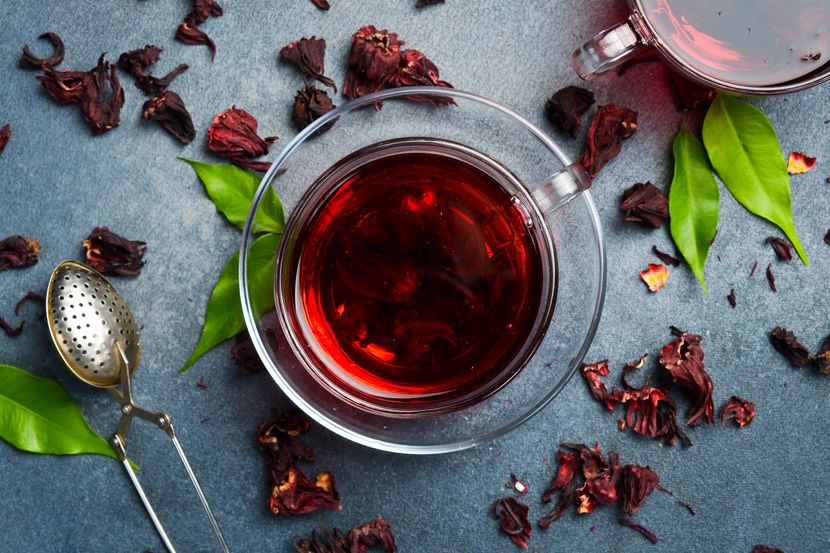
In the world of wellness trends, the humble hibiscus is a powerful player waiting for its turn on the main stage. Beyond its divine red color, this plant is a concentrated reservoir of anthocyanins—the same potent compounds found in berries. With its tart, refreshing flavor, hibiscus offers significant benefits for heart health, immunity, and blood pressure normalization.
The Antioxidant Powerhouse: Surpassing Green Tea
Hibiscus is one of nature's best-kept secrets when it comes to cellular protection. Based on the ORAC scale (Oxygen Radical Absorbance Capacity), which measures antioxidant capacity, hibiscus scores higher than green tea, matcha, blueberries, and pomegranates.
Key health benefits include:
- Heart Health: Studies show hibiscus helps lower LDL cholesterol and blood pressure by relaxing blood vessels and reducing inflammation in the arteries.
- Liver Protection: Extracts have demonstrated the ability to regulate blood sugar and protect liver tissue.
- Antibacterial Properties: Organic acids and polyphenols inhibit the growth of certain bacteria and viruses, traditionally aiding in soothing sore throats.
Boosting the Immune System
Hibiscus enhances immune function through several distinct pathways:
- Neutralizing Free Radicals: Protecting immune cells from oxidative damage.
- Cytokine Production: Improving the signaling pathways of the immune system.
- Mucosal Integrity: Protecting the epithelial barriers in the respiratory and digestive systems—the body's first line of defense.
- Antiviral Activity: Laboratory tests have shown direct inhibition of certain viruses, including the flu and herpes simplex.
Immunity Drink: Hibiscus and Ginger Infusion
This simple drink combines the power of hibiscus with anti-inflammatory spices.
Ingredients:
- 2 bags hibiscus tea (or 2 tbsp dried flowers)
- 2 cups hot water
- 2-3 slices fresh ginger root
- 1/4 tsp turmeric + a pinch of black pepper (for absorption)
- Lemon juice and 1 tsp maple syrup or agave (optional)
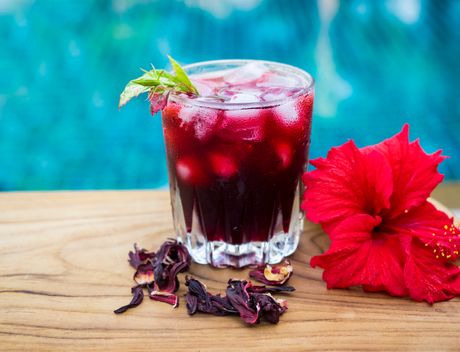
Preparation: Steep the hibiscus and ginger in hot water for 10 minutes, keeping it covered to preserve essential oils. Strain and stir in the lemon juice, turmeric, pepper, and sweetener. Serve warm or chilled over ice.
Culinary Creativity: Hibiscus in the Plant-Based Kitchen
Hibiscus is not just for tea; its tart notes and striking color make it an elegant addition to desserts and breakfasts.
- Hibiscus-Boosted Smoothie: Blend 1 cup chilled hibiscus tea with a banana, 1/2 cup frozen berries, chia seeds, and plant-based yogurt for a creamy, antioxidant-rich start to the day.
- Chia Pudding with Hibiscus Syrup: Top standard chia pudding with a homemade syrup made by boiling dried hibiscus with a sweetener until thickened. Garnish with coconut flakes and toasted almonds.
- Overnight Oats with Hibiscus: Soak oats in strong, chilled hibiscus tea instead of milk. In the morning, add orange juice, cinnamon, and almond butter, topping it with chopped pistachios.
By incorporating hibiscus into daily routines—whether as a potent tea or a vibrant culinary ingredient—individuals can benefit from one of the highest antioxidant capacities in the plant kingdom to support cardiovascular and immune resilience.
Related news

Explosive fruit that shocks with flavor: Make the craziest quick cranberry jam
Discover the Secret to Creamy High-Protein Vegan Romesco Pasta With Tofu and Roasted Almonds
Is Avocado Worth the Hype? Exploring Its Role in Brain, Vision, and Prenatal Wellness
Discover the Secret Ingredients That Make Oatmeal Satisfying, Nutritious, and Never Boring
Plant Based House reserves all rights to the content. For downloading content, see instructions on the Terms of Use page.