Why Chickpeas Are Taking Over Modern Kitchens: From Hummus to Protein Cookies and Beyond

Summary
- Chickpeas are a highly nutritious legume, rich in fiber, protein, vitamins, and minerals, and are the second most cultivated legume after soybeans.
- Regular consumption of chickpeas is linked to reduced risks of colon cancer, cardiovascular issues, and metabolic syndrome.
- They are versatile in cooking, used in dishes like vegan sandwiches, veggie burgers, salads, smoothies, and even desserts like protein cookies.
Whole Foods has consistently spotlighted chickpeas as a standout in the healthy eating landscape, cementing their reputation as a staple for those pursuing nutritious diets. This enduring popularity has sparked a surge of inventive chickpea recipes across social media, offering endless options beyond just hummus.
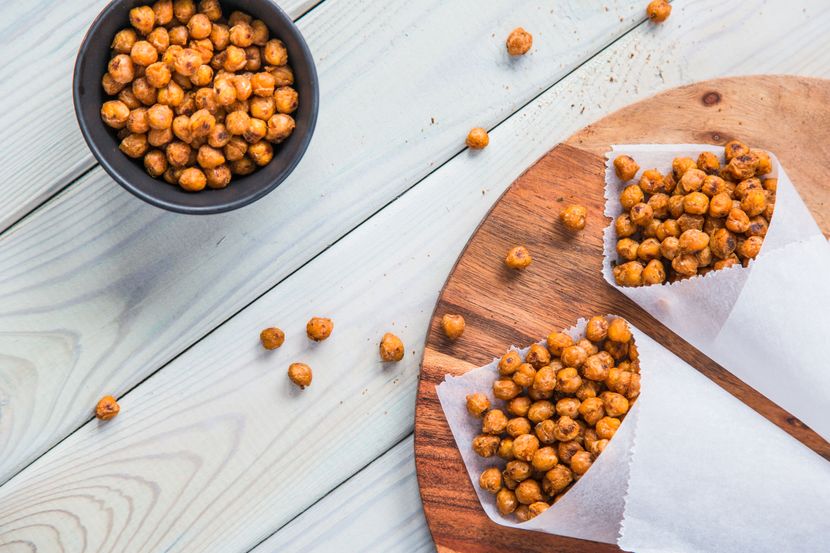
Chickpeas now appear in everything from vegan sandwiches and veggie burgers to crispy salad toppings, spicy snacks, and even protein-rich smoothies, reflecting their growing versatility in modern cuisine.
Origins and Nutritional Profile
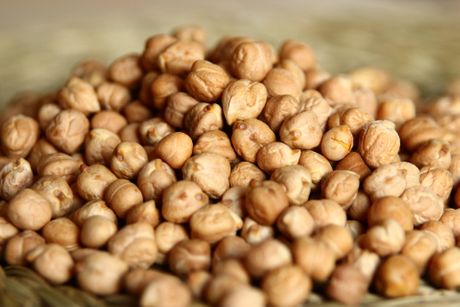
Native to the Middle East-specifically the areas now known as southeastern Turkey and northern Syria-chickpeas are part of the legumes family. They rank as the second most cultivated legume in the world, right after soybeans. While beige is the most common color, chickpeas also come in yellow, red, green, and brown varieties.
Regarded as one of the most nutrient-dense plant foods, chickpeas provide a rich source of fiber, plant-based protein, and a spectrum of vitamins and minerals.
A single cup of cooked chickpeas (approximately 165 grams) delivers
- 270 cal
- 14 g protein
- 4 g fat
- 44 g carbohydrates
- 12 g fiber.
They are also notable for their content of magnesium, manganese, iron, phosphorus, copper, and zinc, along with calcium and B vitamins-especially folic acid (B9). Research has linked regular consumption of chickpeas and hummus to significant health improvements, including a reduced risk of various diseases.
Health Benefits and Considerations
Chickpeas are rich in fiber and resistant starch, which promote colon health by supporting beneficial bacteria and producing fatty acids that may help prevent cancer. Some studies suggest that eating legumes such as chickpeas at least twice a week can halve your risk of developing colon cancer.
In addition, chickpeas help lower blood lipid levels like cholesterol, thereby reducing the risks of cardiovascular problems. They can also protect us from developing metabolic syndrome. Data from a 2020 study indicates that adults who regularly consumed chickpeas and hummus were 48% and 62% less likely to develop this syndrome, respectively.
Combining chickpeas with foods high on the glycemic index can lower the overall glycemic load of meals, which helps to slow down the blood sugar spike and moderates insulin response.
For individuals managing weight, chickpeas offer a satisfying sense of fullness, which may curb overeating. Regular legume consumption also supports digestive health and helps to reduce intestinal inflammation.
However, those unaccustomed to high-fiber foods-such as people who seldom eat fruits, vegetables, or whole grains-may initially experience bloating and intestinal cramps. These effects are generally temporary and can be minimized by gradually introducing these foods into the diet in smaller amounts. Drinking sufficient water is also recommended to ease this transition.
For optimal nutrition, soak legumes and chickpeas for 24-48 hours, changing the water periodically to remove phytic acid and enhance nutrient absorption. Pairing with foods rich in vitamin C will further improve nutrient absorption.
Creative Ways to Use Chickpeas
Chickpeas are easy to add to everyday meals, especially when using canned varieties-simply rinse and they’re ready to use. Their adaptability has made them a favorite ingredient in many plant-based dishes.
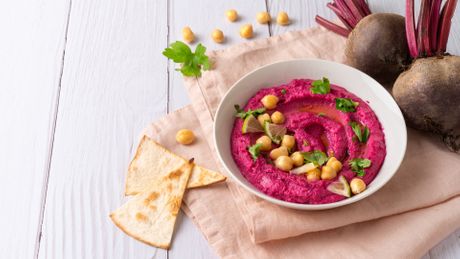
They can be blended into spreads and dips such as hummus, roasted for crunchy snacks, stirred into soups and stews, or formed into veggie burgers and patties. Chickpeas also make an excellent meat alternative in pastas and cooked dishes, add texture to salads, and can be mashed to replace tuna or chicken in wraps and sandwiches. When combined with oats, dates, and peanut butter, they can be transformed into protein snack balls.
Recipe Highlight: Chickpea Protein Cookies
Chickpeas even shine in sweets. For a batch of protein-rich cookies, you’ll need:
- 300 g cooked chickpeas
- 2 tablespoons ground flaxseed
- 5–6 fresh dates
- 3–4 tablespoons maple syrup or agave
- 100 g almond or hazelnut butter
- 50 g spelt semolina or ground oats
- 1 teaspoon baking powder
- A pinch of salt
- Cinnamon to taste
- 40 g chopped dark chocolate
Instructions:
- Preheat: Set your oven to 180°C (350°F).
- Blend: In a food processor, blend the chickpeas and dates until smooth.
- Mix: Add the remaining ingredients (flaxseed, syrup, nut butter, oats/semolina, baking powder, spices) and mix until combined.
- Fold: Stir in the chopped chocolate by hand.
- Shape: Form the dough into round cookies, about 1–1.5 cm thick.
- Bake: Bake for about 15 minutes until golden. Let them cool before eating to firm up.
With their impressive nutritional profile, health-promoting benefits, and culinary versatility, chickpeas have earned their place as a go-to ingredient for those embracing a balanced and creative diet.
Related news

Discover the Greek Secret to Satisfying Plant-Based Meals With Fasolakia Stewed Green Beans
How Mung Beans Became a Global Staple: Nutrition, Versatility, and Plant-Based Innovations Explained
Is Your Canned Tuna Safe? Health and Environmental Risks Experts Say You Shouldnt Ignore
Grilling Meat Can Release Cancer-Linked Chemicals: How to Make Your Barbecue Safer This Spring
Plant Based House reserves all rights to the content. For downloading content, see instructions on the Terms of Use page.