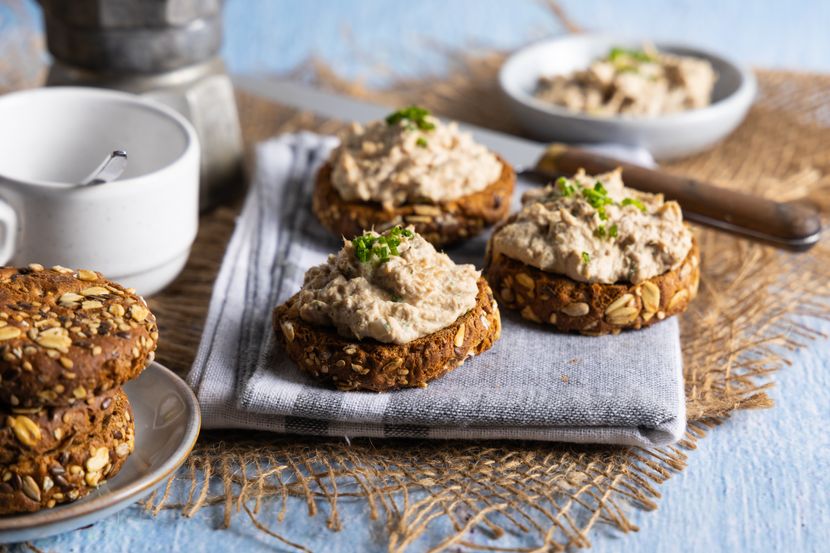
Is Your Canned Tuna Safe? Health and Environmental Risks Experts Say You Shouldnt Ignore

Summary
- Tuna contains high levels of mercury, posing brain health risks, especially for children and pregnant women.
- Industrial tuna fishing raises ethical concerns due to harsh fishing methods.
- Chickpeas offer a sustainable, healthy alternative with high-quality protein and fiber, mimicking tuna texture with plant-based ingredients.
Many people consider canned tuna a go-to for quick, nutritious meals, frequently featuring it in salads and fitness-friendly recipes. While its reputation is boosted by influencers highlighting its high protein content, health and environmental experts urge caution.
Health and Environmental Risks of Tuna
Tuna may not be as ideal as it appears for several critical reasons:
- Mercury Accumulation: As a top predator in the marine food chain, tuna absorbs significant amounts of mercury. This heavy metal poses risks to brain health, particularly in children and pregnant women.
- Pollutants and Microplastics: With increasing ocean pollution, caught fish are more likely to contain microplastics and other synthetic contaminants that eventually end up in our bodies.
- Environmental Strain: Tuna populations are under threat due to aggressive commercial fishing, which disrupts entire marine ecosystems and endangers ocean health.
- Ethical Concerns: Industrial tuna fishing involves methods that cause significant animal suffering, often described by welfare advocates as harsh and distressing.
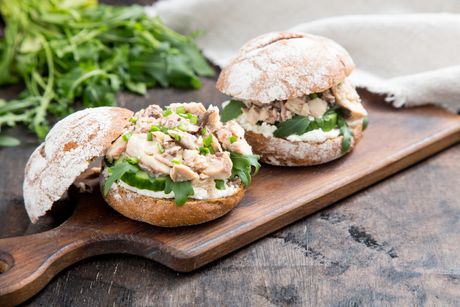
The Chickpea Alternative: Healthier for You and the Planet
Transitioning to plant-based proteins like chickpeas, lentils, and tofu offers distinct advantages: they provide high-quality protein alongside fiber and phytonutrients, with zero cholesterol.
For those looking for a flavorful substitute, a creamy chickpea-based spread mimics the texture of tuna perfectly. It is budget-friendly, sustainable, and delivers an authentic "sea" flavor using simple plant-based ingredients.
Recipe: ‘A La Tuna’ Chickpea Spread
The secret to the marine flavor lies in nori seaweed powder and capers, which provide antioxidants and that signature briny note without the need for seafood.
Ingredients:
- 1 can chickpeas (drained and rinsed)
- Vegan mayonnaise & mustard
- Lemon juice (for acidity)
- Finely chopped pickles & red onion
- 1 tsp nori seaweed powder (optional, for "sea" flavor)
- 1 tbsp capers (chopped)
- Salt and pepper to taste
Instructions:
- Mash: Place the chickpeas in a bowl and mash them by hand with a fork or potato masher. Keep some texture to mimic the flakiness of tuna.
- Mix: Add the vegan mayo, mustard, lemon juice, chopped pickles, and red onion.
- Season: Stir in the capers and nori powder. Adjust the salt and pepper to your preference.
- Serve: This spread is perfect as a sandwich filling, in veggie wraps, or as a dip with crackers.
- Meal Prep: Stored in the refrigerator, the flavors develop further over 3-4 days.
Instead of relying solely on canned tuna, exploring plant-based alternatives like chickpea spread benefits both personal health and the environment. By making this simple switch, you avoid heavy metals and microplastics while enjoying a satisfying, compassionate meal. You might be pleasantly surprised at how much this plant-powered version satisfies even the most dedicated tuna enthusiasts.
Related news

Grilling Meat Can Release Cancer-Linked Chemicals: How to Make Your Barbecue Safer This Spring
Discover the Power Combo: Sweet Potatoes and Beans in Crispy Tortillas With Avocado Dipping Sauce
Discover Mediterranean Quinoa Scones: 7g Protein and One-Bowl Prep for Busy Plant-Based Eaters
Struggling to Ditch Cheese? Discover Liquid Plant-Based Mozzarella That Stretches and Melts Perfectly
Plant Based House reserves all rights to the content. For downloading content, see instructions on the Terms of Use page.