How Mung Beans Became a Global Staple: Nutrition, Versatility, and Plant-Based Innovations Explained

Summary
- Mung beans are nutrient-rich, providing protein, fiber, antioxidants, and essential minerals like folate, magnesium, potassium, and iron.
- Originating from India, mung beans have been cultivated for over 4,000 years and are part of the legume family.
- They are versatile in culinary uses, appearing in dishes from Indian, Chinese, and Southeast Asian cuisines, and are popular in plant-based diets.
- Mung beans are used as a plant-based egg substitute, particularly yellow mung beans, in products like "JUST Egg."
- Sprouting mung beans at home enhances their vitamin content and makes them easier to digest.
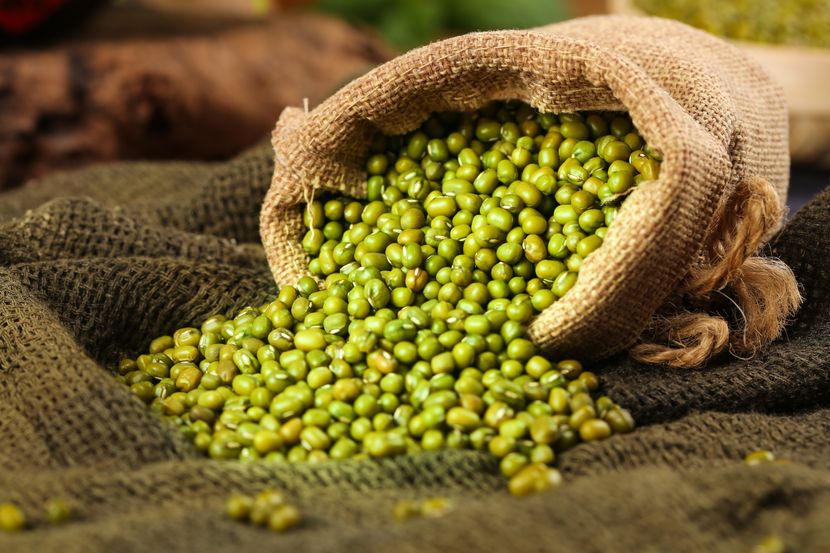
Increasingly found in health-focused stores and kitchens, mung beans have become a staple among those seeking both nutrition and culinary variety. These tiny green legumes, once primarily known in Asia, are now valued worldwide for their versatility and health benefits.
Origins and Forms of Mung Beans
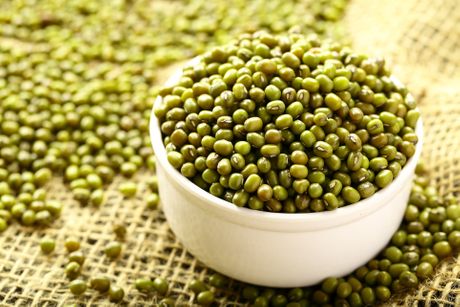
Originating from India, mung beans have been cultivated for over four millennia. They are part of the legume family, sharing roots with chickpeas, lentils, and peas. Available as whole green beans or in split and peeled form (yellow mung, also called mung dal), they have a mild flavor and are easy to digest, making them increasingly popular among those adopting plant-based diets.
Nutritional Profile and Health Advantages
Despite their small size, mung beans provide a wealth of nutrients. Cooked mung beans deliver around 14 grams of protein per cup and are rich in dietary fiber, which aids digestion and promotes satiety. Their low glycemic index makes them suitable for individuals with type 2 diabetes. Additionally, they contain antioxidants and offer anti-inflammatory properties, as well as being a source of folate, magnesium, potassium, and iron. These nutrients support energy levels, cardiovascular health, and are especially important during pregnancy. Mung beans are naturally low in fat and contain no cholesterol. Research has associated regular consumption with improvements in blood pressure, cholesterol, and weight management.
Culinary Uses Around the World
Mung beans appear in a variety of dishes, both savory and sweet. In Indian cooking, they are the foundation of hearty curries and soups, are paired with rice in khichdi, and blended into savory chilla pancakes. Chinese and Southeast Asian cuisines feature mung bean sprouts in stir-fries and noodle dishes, sweet mung bean soup as a dessert, and mashed mung beans as a filling for pastries. Contemporary plant-based diets incorporate mung beans into salads, burgers, stews, and hummus, or enjoy them freshly sprouted for extra nutrition.
Sprouting Mung Beans at Home
Home sprouting requires only whole mung beans, a jar, mesh or gauze, and water. The process enhances the beans' vitamin content, especially vitamins C, E, and the B group, and improves the absorption of minerals like iron, zinc, and magnesium. Sprouting also reduces substances that may hinder nutrient uptake and makes digestion easier, while decreasing the presence of complex sugars that can cause bloating.
To sprout mung beans: rinse and soak half a cup of whole beans overnight in plenty of water. The next morning, drain and transfer them to a jar covered with mesh. Keep the jar tilted to drain excess water and place it out of direct sunlight. Rinse and drain twice daily; sprouts are typically ready in one to three days, once they reach one to two centimeters in length. Store them in the refrigerator for up to five days. These sprouts are ideal for salads, sandwiches, or as a crunchy element in spring rolls and stews.
Mung Beans as a Plant-Based Egg Replacement
A notable innovation is the use of yellow mung beans (mung dal) as an egg substitute. When soaked, blended, and cooked, they create a texture similar to whipped eggs, which forms the basis of products like "JUST Egg", now widely available in the United States. At home, blended mung dal can be used to prepare vegan scrambled eggs, omelets with vegetables, or as a thickener in savory pastries. These alternatives are free from cholesterol, animal fats, and are suitable for those with egg allergies.
Whether enjoyed whole, sprouted, or as a plant-based egg alternative, mung beans offer a powerful combination of nutrition and culinary flexibility. Their adaptability makes them a valuable addition to any kitchen focused on healthy, plant-based eating.
Related news

Why Shiitake Mushrooms Are Considered the Secret Weapon of Plant-Based Cooking and How to Make the Most of Them
Swap Mayo for Hummus or Avocado: Cut Calories and Boost Nutrition With Simple Sandwich Upgrades
Strawberries in Salads: Surprising Nutrition Facts and the Debate Over Sweet vs. Savory Pairings
Hibiscus Outshines Green Tea: Discover the Antioxidant Powerhouse for Heart and Immune Health
Plant Based House reserves all rights to the content. For downloading content, see instructions on the Terms of Use page.