Tahini vs Peanut Butter: Which Spread Wins for Protein, Minerals, and Allergy-Friendly Eating?

Summary
- Tahini is rich in calcium, iron, magnesium, and contains antioxidants like sesamin and sesamol.
- Peanut butter offers more protein, containing about 8 g per two tablespoons, and includes vitamin E, niacin, and magnesium.
- Tahini is suitable for savory dishes like hummus and salad dressings, while peanut butter is ideal for breakfasts and snacks.
- Tahini is allergy-friendly for those avoiding nuts.
Nut and seed spreads have long been favorites among healthy eating enthusiasts, but have you ever wondered which is the better choice: tahini or peanut butter? Both are creamy, nutrient-rich, and irresistibly tasty, but they differ in flavor, nutritional content, and kitchen applications. Let’s discover their unique advantages - and how to use them in the most creative ways.
Nutritional Richness in a Spoonful
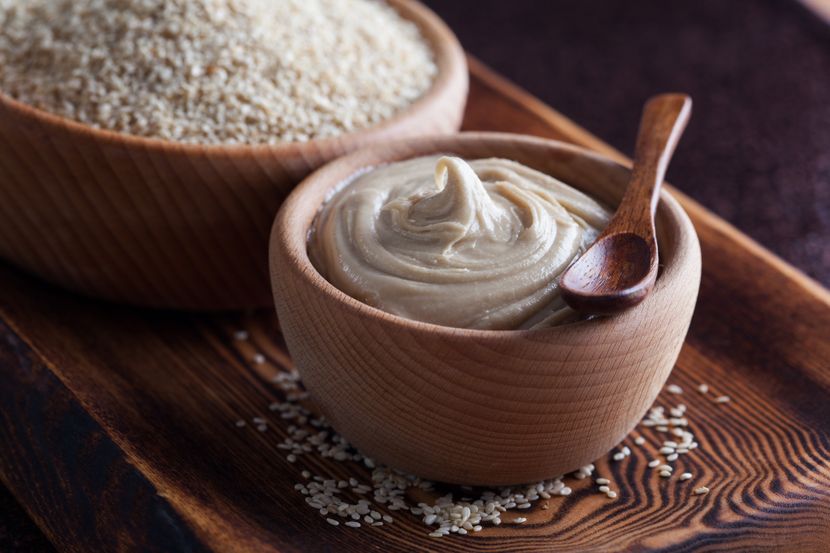
Tahini, made from ground sesame seeds, originates from Middle Eastern cuisine. It has a distinctive, earthy, and slightly bitter taste with a smooth, runny texture.
- Key Nutrients: It is exceptionally rich in calcium, iron, magnesium, and healthy unsaturated fats.
- Antioxidants: It contains sesamin and sesamol, which contribute to heart health and reduce inflammation.
- Allergy-Friendly: It is an excellent choice for those who need to avoid nuts.
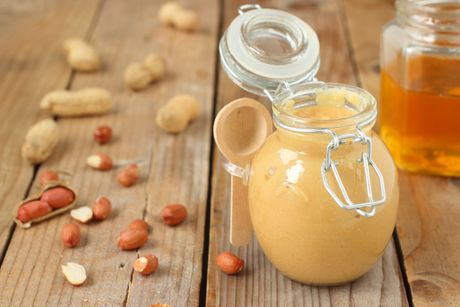
Peanut butter contains more protein than tahini - about 8 g in two tablespoons - making it a superior source of plant protein. It has a sweet, nutty flavor and a much thicker texture.
- Key Nutrients: It contains vitamin E, niacin (vitamin B3), and magnesium.
- Energy: Its healthy fats help maintain energy and satiety.
- Pro Tip: Always choose natural peanut butter without added sugars or palm oil.
When to Use Which?
Tahini pairs perfectly with savory dishes. Use it in hummus, falafel wraps, salad dressings, or as a drizzle over roasted vegetables and Buddha bowls. It adds depth, creaminess, and a sophisticated bitterness.
Peanut butter is ideal for breakfasts and snacks. It shines in oatmeal, smoothies, or paired with fresh fruit. However, in Asian-inspired cuisine, it is also a fantastic base for spicy savory sauces.
Creative Ideas for Your Kitchen
Tahini:
- Mix it with lemon, garlic, and water for the perfect creamy salad dressing.
- Drizzle over caramelized roasted carrots or cauliflower.
- Blend it with dates and cocoa for a quick, healthy chocolate spread.
Peanut Butter:
- Add a tablespoon to your morning smoothie for extra protein.
- Mix with soy sauce, ginger, and garlic for a quick "satay" sauce over fried tofu and rice.
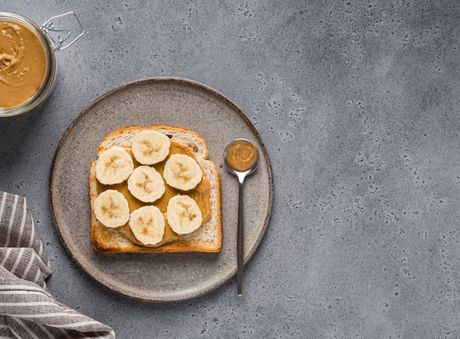
- Spread on whole-grain toast and top with banana slices.
Quick Recipe: Energy Balls with Tahini and Peanut Butter
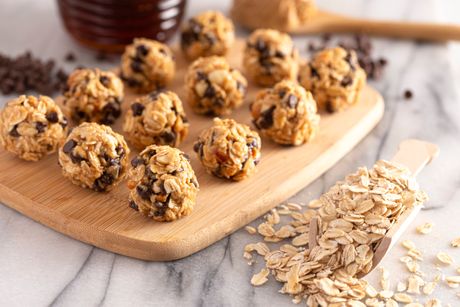
These bites provide the perfect balance of minerals and protein for a quick energy boost.
Ingredients:
- 3 tbsp tahini
- 3 tbsp peanut butter
- 2-3 tbsp maple syrup
- 1 cup ground oats
- 1 tbsp chia seeds
- A pinch of cinnamon
Preparation: Combine tahini, peanut butter, and maple syrup in a bowl. Stir in the oats, chia seeds, and cinnamon until well combined. Shape the mixture into balls and refrigerate for at least 30 minutes.
Both tahini and peanut butter deserve a place in a healthy kitchen. While tahini leads in minerals and savory versatility, peanut butter is a champion of protein and healthy sweets. Together, they prove that healthy eating can be both nutritious and irresistibly creamy.
Related news

Discover the Nutritional Power of Chickpeas in This Easy, Protein-Packed Schnitzel Recipe
Why Roasted Beets With Ginger and Peanut Sauce Could Be Your New Favorite Plant-Based Recipe
Chia Seeds: Ancient Superfood Offers Heart, Brain, and Blood Sugar Benefits Backed by Research
Did you know olives can help lower cancer risk, support heart health, and boost brain power? Heres how
Plant Based House reserves all rights to the content. For downloading content, see instructions on the Terms of Use page.