Grilling Meat Can Release Cancer-Linked Chemicals: How to Make Your Barbecue Safer This Spring

Barbecue is synonymous with warm weather and socializing. However, grilling meat over an open flame creates substances linked to serious health risks, including cancer. Understanding which chemicals are produced during high-heat cooking is essential for making safer, healthier choices.
Harmful Substances Created During Grilling
When meat is cooked at high temperatures, especially over open coals, three groups of potentially carcinogenic substances are formed:
- Heterocyclic Amines (HCA): These form when muscle tissue - specifically amino acids and creatine - is exposed to intense heat. Studies have linked HCA to an increased risk of colorectal, prostate, and pancreatic cancer.
- Polycyclic Aromatic Hydrocarbons (PAH): These are created when fat drips onto hot coals, creating smoke. The smoke carries PAH back onto the food and into the lungs of the person grilling. PAH can bind to DNA, potentially causing permanent mutations that may lead to cancer.
- Advanced Glycation End Products (AGEs): These form when proteins and fats combine with sugars at high temperatures. AGEs promote oxidative stress and inflammation, contributing to heart disease and diabetes.
How to Reduce the Risk When Grilling
If you want to continue enjoying the barbecue experience, these strategies can significantly reduce your exposure to harmful chemicals:
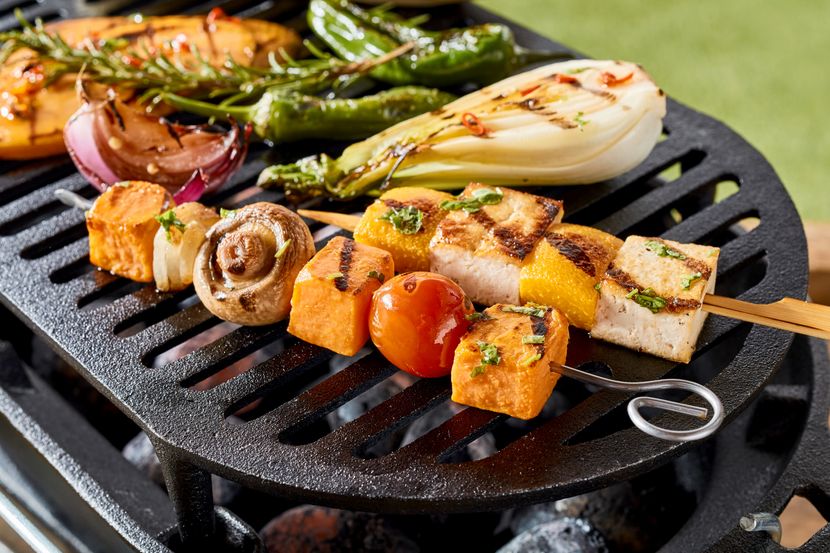
- Switch to Plant-Based Options: Vegetables and plant-based proteins do not produce HCA or PAH because they lack animal fat and creatine. Try grilling zucchini, mushrooms, eggplant, peppers, or marinated tofu skewers.
- Marinate Before Grilling: Using marinades with garlic, lemon juice, rosemary, or turmeric can reduce HCA formation by up to 90%.
- Avoid Charred Parts: Do not cook food until it turns black. Frequently flipping the food and avoiding excessive heat prevents the formation of the most concentrated harmful chemicals.
- Use Barriers: Using foil or grates prevents fat from dripping directly onto the fire, which drastically reduces the production of PAH-laden smoke.
- Pre-cook Meat: Partially cooking meat in the oven or microwave before finishing it briefly on the grill reduces its total exposure to high temperatures.
- Maintain a Clean Grill: Regularly scrubbing the grates removes charred residues from previous sessions that can contribute to PAH formation.
Plant-Based Inspiration for the Grill
Grilling is an experience of gathering and sharing, and it doesn't have to revolve around meat. Here are several flavorful, plant-based ideas:
- Grilled Zucchini and Eggplant: Drizzled with olive oil, garlic, and lemon juice.
- Stuffed Peppers: Filled with quinoa and vegetables, grilled in foil.
- Skewers: Combining mushrooms, marinated tofu, red onion, and peppers.
- Corn on the Cob: Brushed with herb-infused plant-based butter.
- Grilled Peaches: Drizzled with maple syrup and served with a scoop of plant-based ice cream for a refreshing dessert.
Redefining the BBQ Experience
Discussions around vegan BBQ options reveal that the biggest shift is moving away from trying to replicate meat and focusing on flavor and variety instead. In one thread, users suggest simple but effective ideas like “vegetable skewers with satay (peanut sauce)” and grilled sweet potatoes or cauliflower steaks, highlighting how well vegetables work on the grill when properly seasoned.
Many also emphasize boosting umami, recommending mushrooms marinated with garlic and ginger or miso-glazed grilled tofu, noting that these ingredients deliver the depth of flavor people often expect from BBQ food.
Perhaps the most repeated advice, however, is that a great vegan BBQ is not about a single “main,” but the overall plate. As one commenter put it, focusing on good sides, fresh vegetables, pickled toppings, and flavorful sauces can make the entire meal “amazing and unique,” even without traditional meat substitutes.
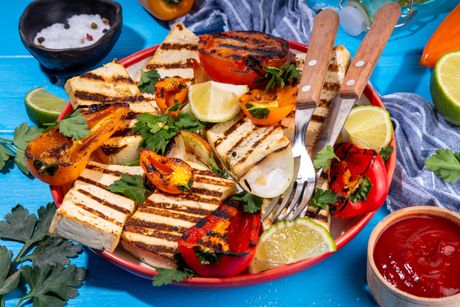
By replacing meat with plant-based options and using antioxidant-rich marinades, you can eliminate the formation of HCA and PAH, protecting your DNA while enjoying all the flavors of a traditional barbecue.
Related news

Discover the Power Combo: Sweet Potatoes and Beans in Crispy Tortillas With Avocado Dipping Sauce
Discover Mediterranean Quinoa Scones: 7g Protein and One-Bowl Prep for Busy Plant-Based Eaters
Pea Spread vs. Avocado: Which Toast Topping Offers More Nutrition for Less Money?
Chickpea Buns Redefine Homemade Bread: Quick, Yeast-Free, and Packed With Plant Protein and Fiber
Plant Based House reserves all rights to the content. For downloading content, see instructions on the Terms of Use page.