Behind the Smile Lies Suffering: Why 67% of Captive Dolphins Die Before Age 10

Summary
- Mexico banned the use of dolphins and other marine mammals for entertainment, limiting their use to conservation and research.
- Captive dolphins suffer from psychological trauma, shortened lifespans, and physical injuries.
- Public opinion is shifting, with increased awareness and boycott calls against resorts exploiting dolphins.
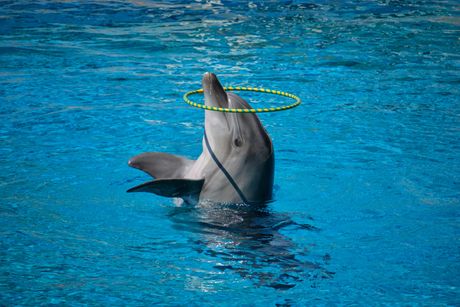
For decades, the image of a dolphin performing incredible tricks in a pool, wearing a permanent expression resembling a wide smile while waiting for a fish reward, was synonymous with family fun.
However, today, people worldwide are waking up to the grim reality behind this entertainment. It has become increasingly clear that keeping dolphins in captivity is associated with the immense suffering of these highly intelligent and social creatures.
That is why, in recent years, bans on dolphin captivity have swept across the globe. One of the most significant recent decisions comes from Mexico, marking a historic shift in one of the world's most popular tourist destinations.
Bans Are Becoming the Global Standard
Mexico adopted a landmark wildlife protection law prohibiting the use of dolphins, orcas, sea lions, and other marine mammals for entertainment. This historic shift directly affects the estimated 350 dolphins currently held in captivity across the country, ensuring they are the last generation to be exploited for tourist performances. Their use is now limited strictly to species conservation and marine research, effectively outlawing 'swimming with dolphins' programs and circus-style shows.
This follows a wave of similar actions globally. Earlier this year, a dolphinarium at a luxury resort in Riviera Maya was closed following an investigation that uncovered severe animal welfare violations. Nations such as Canada, France, Switzerland, Croatia, and US states like California and New York, have already introduced strict bans or extensive restrictions on keeping cetaceans in captivity.
The Shocking Reality of Captivity
What looks like harmless fun to the audience often involves extreme suffering, extensively documented by marine biologists and activists. Here are the facts behind the show:
- Prison-Like Confinement: In resorts near Cancun, dolphins were documented in pools only 2 meters deep. Activists described the conditions as "living like criminals in a solitary prison cell."
- Psychological Trauma: Captive dolphins often exhibit "zoochosis"—repetitive, self-harming behaviors such as banging their heads against walls, swimming in endless circles, or grinding their teeth down to the gums due to stress.
- The "Smile" Is a Lie: A dolphin’s physical structure gives the appearance of a smile, but this is anatomically fixed. It masks their internal state, meaning a dolphin can be depressed, ill, or in pain, yet still appear "happy" to the audience.
- Shortened Lifespans: In the wild, dolphins can live 40–50 years. In captivity, mortality rates skyrocket. In Mexico alone, data showed that 67% of captive dolphins died before the age of 10 due to stress-induced illness and neglect.
- Chemical Burns & Injuries: Many animals suffer from chlorine burns, blindness from chemically treated water, and fractures from performing unnatural jumps in shallow pools.
What People Are Saying
The shift in public opinion is undeniable. Online discussions reveal that the "Blackfish effect" (named after the documentary that exposed orca captivity) has permanently changed how the public views marine parks.
The legislative changes in Mexico have sparked intense discussions online, with many celebrating the decision as a major step for animal rights and a necessary end to an outdated form of entertainment.
However, the conversation goes beyond just laws. Travelers are becoming increasingly vigilant, with users on travel forums actively urging others to boycott resorts like Barcelo, citing visible animal abuse and the unethical treatment of dolphins as key reasons to take their business elsewhere.
Awareness about the physical toll of captivity is also growing. Shocking details are surfacing in discussions, such as the fact that captive dolphins—unable to get hydration from live food like their wild counterparts—often have to be hydrated through a tube inserted into their stomachs.
Despite this growing awareness, frustration remains regarding social media. Activists point out that algorithms continue to push viral videos of captive dolphins to unsuspecting viewers who may view the content as "cute," unaware of the suffering hidden behind the screen.
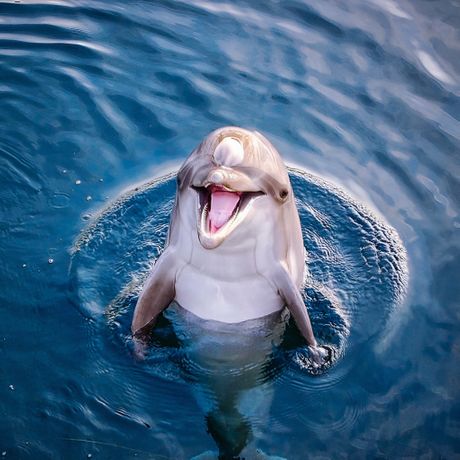
There is undoubtedly a tragic pattern to keeping dolphins in captivity: high stress, claustrophobic space, social isolation, and early death. Their smile may seem beautiful to us—but behind it lie many layers of suffering.
As more countries join the list of those banning these practices, the message is clear: Dolphins are intelligent, empathetic beings that belong in the ocean, not in a swimming pool for our entertainment.
Related news

The hidden suffering behind every egg: What the industry doesnt want you to know about laying hens
Plant Based House reserves all rights to the content. For downloading content, see instructions on the Terms of Use page.