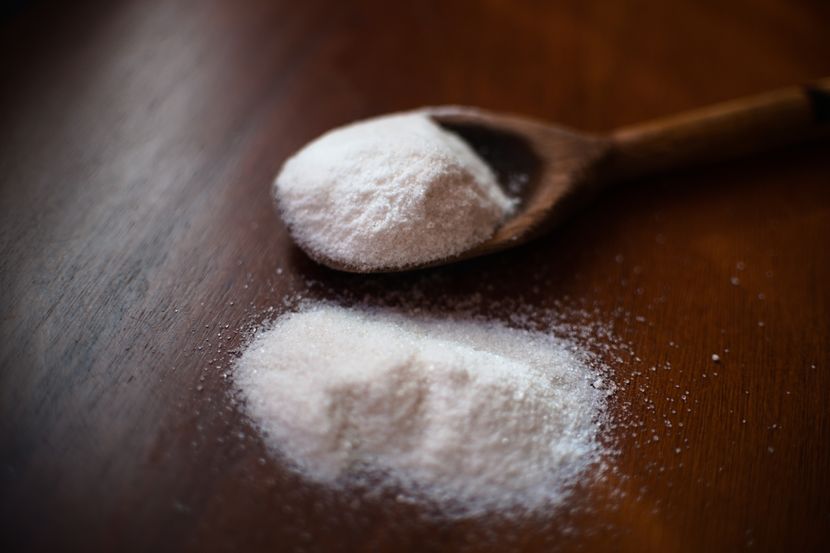
Large studies reveal diet drinks with artificial sweeteners increase obesity risk despite zero calories

Summary
- Artificial sweeteners can impair blood sugar management and disrupt the gut microbiome.
- Diet drinks may increase sweet cravings and food consumption by altering brain responses.
- Both artificial and natural sweeteners can lead to higher blood sugar spikes after meals.
Contrary to popular belief, consuming artificially sweetened drinks does not necessarily help with weight management. Extensive population studies have demonstrated a correlation between diet soft drink consumption and both increased weight and fat accumulation over time. While it may seem logical to attribute these results to reverse causality-meaning that those already overweight might simply prefer diet drinks-further analysis adjusting for preexisting fat levels still found that diet beverage intake raises the likelihood of obesity.
Effects on Metabolism and Gut Health
Evidence from clinical trials in individuals with obesity suggests that regular intake of artificial sweeteners can impair the body's ability to manage blood sugar. Participants in one randomized controlled study exhibited a poorer response to glucose tolerance tests after consuming artificially sweetened drinks. The underlying mechanism appears to be related to changes in the gut microbiome: these sugar substitutes, reaching the large intestine, can disrupt the balance of intestinal bacteria within just a week, leading to metabolic complications and diminished blood sugar regulation.
There is some encouraging news, however. When artificial sweeteners are eliminated from the diet, the gut bacterial population can recover in a matter of weeks.
The Brain’s Response and Sweet Cravings
Artificial sweeteners may also influence the brain’s perception of sweetness and energy intake. Because these substances provide a sweet taste without supplying calories, the brain may be "tricked" into believing it needs more calories to match the perceived sweetness. This mismatch can lead to increased food consumption.
This phenomenon was highlighted in a study where participants were given either regular Sprite (with sugar), Sprite Zero, or unsweetened soda water with lemon, followed later by a choice of snacks. Those who had consumed the diet drink were found to be 3.5 times more likely to choose sweets compared to the other groups. Brain imaging research further supports these findings, showing that routine use of artificial sweeteners alters the brain's reward pathways linked to eating satisfaction.
Comparing Artificial and Natural Sweeteners
Not only artificial, but also so-called "natural" sweeteners may pose similar challenges. In a controlled experiment, volunteers drank beverages containing sugar, aspartame, monk fruit, or stevia, and their blood sugar was monitored over 24 hours. Surprisingly, the average blood sugar levels did not differ significantly between groups, despite the calorie-free nature of some sweeteners. Participants consuming calorie-free sweeteners experienced higher blood sugar spikes after their next meal, indicating that these alternatives may not deliver on their promise of stable blood sugar.
This suggests that whether using sugar or zero-calorie sweeteners, the end result for calorie intake and blood sugar control might be equally unfavorable. For instance, those who opt for a diet soda may end up eating more at their next meal, effectively erasing any calorie deficit gained from choosing the sugar-free option.
Diet Drinks and Weight Loss: The Surprising Results
When it comes to dieting, the expectation is that swapping sugary drinks for calorie-free versions should boost weight loss. However, research indicates otherwise. In a randomized trial involving individuals on a weight-loss program, participants drinking water instead of diet beverages lost 15% more weight over six months.
This finding highlights the paradox that products created to combat obesity may, in fact, be contributing to its rise.

Current research points toward artificial sweeteners not offering the anticipated benefits for weight or blood sugar control. Their use may even promote overeating and metabolic disruptions, raising questions about their role in addressing obesity.
Related news

Red and processed meats linked to chronic inflammation: What science reveals about your daily diet choices
Are Lectins Really Dangerous? Experts Dispel Myths and Reveal Surprising Health Benefits of Beans
This tea is considered the best drink against insulin resistance: Here's why
Volumetrics Diet Reveals You Can Lose Weight by Eating More: The Science Behind Feeling Full Longer
Plant Based House reserves all rights to the content. For downloading content, see instructions on the Terms of Use page.